
How to Sign In to Your Deriv.com Account Easily
🔐 Need help signing in to Deriv.com? Get step-by-step login tips, password recovery, and security advice tailored for users in Nigeria. 📲
Edited By
Michael Turner
Funding a Deriv trading account in Nigeria involves some specific steps due to local banking regulations and currency controls. Before you start trading, it’s essential to understand which payment methods work best and how to avoid common pitfalls.
Deriv supports various payment options that Nigerians can access, but local banks and financial institutions often impose limits or delays on international transfers. This means you must be ready to explore alternatives beyond direct bank wiring.
For instance, many traders in Lagos and Abuja prefer using e-wallet services like Skrill or Neteller because these platforms handle foreign currency transactions with fewer restrictions. Others rely on card payments, such as Visa or Mastercard, issued by Nigerian banks that support international transactions.
Note that naira (₦) currency controls by the Central Bank of Nigeria (CBN) mean direct US dollar funding of Deriv accounts is rarely straightforward. Traders often convert funds through approved methods or use local agents who facilitate cross-border transactions.
Here’s what you need to keep in mind:
Verify your identity and account details with Deriv fully before attempting any deposit to avoid delays or rejected transactions.
Choose payment methods that your bank or financial service supports for international transactions. Some banks block online platforms classified as trading or investment.
Be aware of transaction limits and fees. These vary depending on the payment option and could affect your available capital.
Prepare to use multiple methods if necessary. Sometimes, a combination of card payments, e-wallets, and local bank transfers yields the smoothest process.
Understanding these factors reduces the chances of your deposit getting stuck or delayed, which can be frustrating when market opportunities move fast. In the next sections, we will discuss how to fund your Deriv account using Nigerian bank accounts, popular e-wallets, and card payment options while navigating local challenges effectively.
Understanding Deriv’s platform and funding requirements is essential for Nigerian traders aiming to start or expand their trading activities effectively. Knowing how the system works helps avoid common pitfalls such as failed transactions, currency mismatches, or delays caused by local regulations.
Deriv is a global online trading platform offering access to various financial markets, including forex, commodities, indices, and synthetic indices. It operates with transparency and emphasises user-friendly interfaces, which cater to both beginners and experienced traders. For instance, a trader interested in commodity trading can invest in Brent crude oil futures directly on Deriv without needing separate brokerage accounts.
Unlike some platforms that focus solely on forex pairs, Deriv provides a diverse set of instruments, fitting traders in Nigeria who want opportunities beyond traditional currency pairs. With a strong online presence and robust customer support, Deriv offers a reliable environment for Nigerians navigating trading with limited local resources.
Deriv provides multiple account types tailored to different trading needs. These include the DMT5 account for detailed market engagement, and the multiplier account for fixed-risk, contract-based trading. Nigerian traders can select account types based on their preferred trading style and risk appetite.
Regarding currencies, Deriv supports funding and trading in major currencies such as USD, EUR, and GBP. However, it does not directly accept Nigerian Naira (₦) for account funding. This means Nigerian traders must convert their funds through acceptable payment methods that handle currency exchange or payment gateways bridging the gap. It's common for traders to fund in USD, considering its global acceptance and stability.
Deriv supports depositing funds through various methods: bank transfers, debit/credit cards, e-wallets like Skrill and Neteller, and cryptocurrencies. Each option presents unique advantages. For example, e-wallets offer speedy settlements while forex traders who prefer direct bank transfers should note local banking restrictions, especially CBN policies on offshore transactions.
That said, the availability of payment options for Nigerian users can be affected by government regulations. Users may experience delays or restrictions on card payments due to local banks’ FX controls. Therefore, knowing which funding options allow smooth transactions without excessive fees or failed attempts is critical.
Knowing Deriv’s account types, currency requirements, and payment methods ahead of time saves you time, money, and frustration when funding your account from Nigeria.
In summary, a clear grasp of Deriv’s platform setup and funding mechanisms equips Nigerian traders to plan their deposits effectively, choose suitable accounts, and navigate local financial regulations with confidence.
Funding a Deriv account in Nigeria means navigating a mix of local banking rules, payment options, and restrictions. Nigerians often face unique challenges when trying to fund forex or trading accounts because of the Central Bank of Nigeria (CBN) policies, currency controls, and payment platform limitations. That said, knowing the popular payment methods helps traders pick the most efficient and cost-effective way to deposit funds, avoiding unnecessary delays or extra charges.
Most Nigerians start with local bank transfers due to their convenience and familiarity. Transferring funds from Nigerian banks like GTBank, Zenith, or Access Bank to Deriv typically involves US dollar conversions through the bank’s online platform or USSD banking. However, the process is rarely straightforward because banks require compliance with CBN rules, including documentation for forex transactions. Traders must often visit the bank branch or ngay the FX desk to confirm the purpose of remittance.
Managing foreign exchange (FX) restrictions imposed by the CBN adds another layer of complexity. Since 2021, the CBN has tightened controls on forex outflows, recommending that Nigerian banks only facilitate FX transactions via authorised channels. This means funding your Deriv account through direct bank transfers may get flagged or blocked if the transaction doesn’t comply. Many traders opt for smoothed or indirect channels like third-party payment platforms to bypass delays.
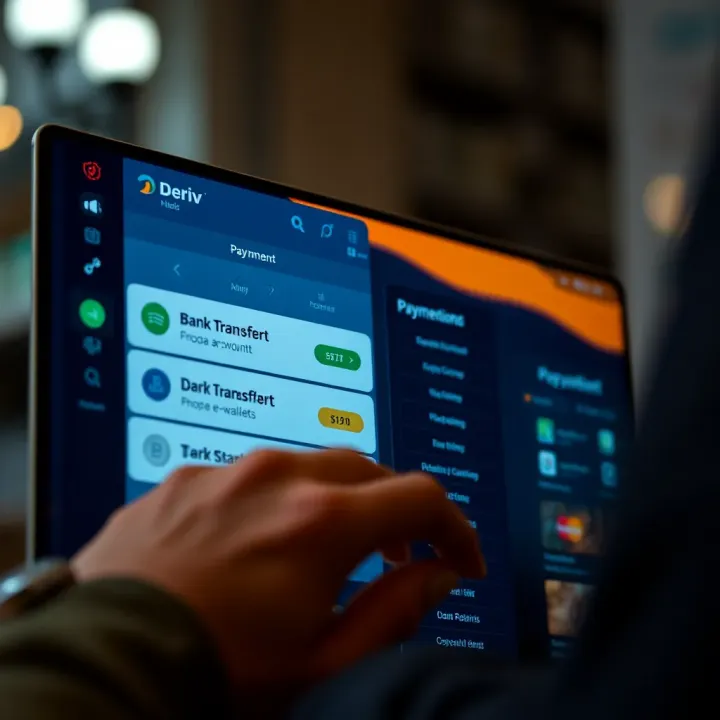
Deriv supports major debit and credit cards including Visa and MasterCard issued by Nigerian banks. Most cards have daily or monthly limits around ₦500,000 to ₦1 million, so account holders should check with their banks to confirm available limits and possible restrictions on international online payments. Cards from smaller banks may sometimes face international payment blocking.
Security is critical when using cards. Nigerian users should ensure their cards have Verified by Visa or MasterCard SecureCode enabled to prevent fraud. Since scammers target international transactions, always monitor the transaction notifications on your banking app and avoid saving card details on multiple platforms. Keeping your PIN and OTP details private is essential too.
Global e-wallets like Skrill, Neteller, and PayPal remain popular for Deriv funding. Skrill and Neteller, in particular, offer a straightforward way to transfer funds without the usual bank paperwork. PayPal, on the other hand, may not directly support all forex transactions or withdrawals but is useful for funding intermediary accounts. However, linking PayPal to Nigerian bank accounts sometimes presents practical challenges.
Locally, platforms such as OPay and Paystack offer digital payment solutions that Nigerians use to fund trading accounts indirectly. Paystack, integrated with many Nigerian banks and card processors, helps convert naira transactions into USD electronically. OPay similarly provides QR code-based payments and e-wallet services handy for quick, small deposits. Both are favoured for low fees and speed but may require extra verification steps for larger amounts.
Using cryptocurrency wallets to fund Deriv accounts is becoming a popular alternative — especially Bitcoin (BTC) and Tether (USDT). With crypto wallets, Nigerians convert naira into crypto via platforms like Binance or Luno, then transfer crypto directly to Deriv’s wallet address.
However, crypto comes with high risks including price volatility and regulatory uncertainty in Nigeria. The value of Bitcoin or USDT can shift sharply within hours, affecting the deposit’s actual worth when converted back or used on the platform. Users must also understand wallet security and avoid scams by double-checking addresses and transaction references.
Considering the mix of local rules, the best approach for most Nigerian traders is balancing security, convenience, and compliance. Every funding option has its trade-offs, so choosing what fits your needs and risk profile matters most.
Funding your Deriv account from Nigeria involves specific actions that ensure your deposits go through smoothly within local banking and regulatory frameworks. Understanding these steps prevents avoidable delays and losses, making your trading experience more efficient and secure.
Before funding, you must fully register and verify your Deriv account. This process requires submitting personal details, proof of identity like a national ID card or international passport, and a recent utility bill as address confirmation. Verification confirms your identity, reduces fraud risk, and complies with anti-money laundering regulations. Traders who skip or delay verification risk payment rejections or account restrictions, especially since Nigerian banks and payment platforms adhere closely to Know Your Customer (KYC) rules.
In Nigeria, some payment options work better than others depending on your access and local restrictions. Bank transfers, while direct, can be slowed by Central Bank of Nigeria (CBN) policies limiting foreign exchange for offshore platforms. Debit and credit cards issued by Nigerian banks sometimes face blocks or require activation for international transactions.
E-wallets like Skrill or Neteller generally offer faster deposits but demand prior account setup and KYC completion. Local platforms such as OPay or Paystack may offer convenient funding paths but often come with lower limits or limited acceptance on Deriv.
When selecting a method, consider transaction fees, processing speed, and the likelihood of successful clearing under Nigerian banking rules. For instance, a trader in Lagos using a GTBank debit card might find card payment smooth, while someone outside the main commercial hubs may rely on e-wallets due to banking delays.
Always check that your account details on Deriv match those used for payment. d payment references or mismatched names are frequent causes of deposit failures. Also, confirm your bank or e-wallet supports international transfers or payments to online trading platforms. Response from your payment provider can help prevent duplicated payments — it’s worth calling your bank or provider if unsure.
Make sure you are aware of any daily or monthly transaction limits your bank places to avoid unexpected blocks. Some banks pause transactions over ₦500,000 directed offshore without prior notification.
Deposit processing times vary with the payment method. Card payments usually reflect almost immediately or within minutes, but bank transfers can take up to 24 hours depending on your bank and intermediaries. E-wallet deposits often process within minutes but can take longer if additional verification steps are flagged.
Understanding expected delays helps you plan trades better, especially when time-sensitive market moves are involved. If your deposit takes longer than expected, check your transaction status and contact Deriv support or your bank promptly.
Remember, a little patience combined with accuracy at each step goes a long way to ensuring your funds reach your Deriv account without hitches.
Following this practical funding guide will help you navigate Nigeria’s financial landscape efficiently, allowing you to focus more on trading and less on payment headaches.
Funding a Deriv account from Nigeria involves more than just choosing a payment method; understanding the regulatory landscape and practical challenges is key to avoiding disruptions. Nigerian financial rules, currency fluctuations, and payment system hiccups can seriously affect how quickly and smoothly your deposits go through. Knowing what to expect helps you plan better and avoid losing funds or facing delays.
The Central Bank of Nigeria (CBN) places strict controls on foreign exchange (forex) usage and offshore payments to manage naira stability and foreign currency reserves. These policies limit how much foreign currency individuals can access for funding platforms like Deriv. For example, the CBN’s enhanced forex restrictions prevent direct naira to dollar conversions via many Nigerian banks for forex trading purposes. This often means traders need to use intermediaries such as e-wallets, prepaid forex cards, or crypto wallets to bypass these hurdles legally.
A practical case: if you try funding directly from a Nigerian naira account, your bank might block the transaction or delay it as compliance checks take place. On the other hand, using a third-party Forex e-wallet like Skrill or Neteller, which has a Nigerian integration, tends to be smoother because these platforms already source their forex through compliant channels.
Since the naira regularly fluctuates against the dollar and other major currencies, users funding Deriv face exchange rate risk. If you deposit ₦100,000 when the naira is weaker, your account gets fewer dollars or euros, impacting your trading power. Conversely, a stronger naira might increase your buying power momentarily.
To minimise loss, Nigerian traders can:
Track the official CBN exchange rate daily for better timing
Use forex brokers or platforms with competitive rates rather than banks, which usually add high margins
Consider topping up in USD or EUR if possible, to avoid repeated conversion charges
Remember, the informal parallel market often offers different rates, but using it carries legal risks and potential fund recovery problems.
Payment failures are common due to network issues, regulatory checks, or incorrect payment details. In Nigeria, delays may also result from slow bank processing or mismatched currency codes.
To navigate these challenges, always double-check the beneficiary details with Deriv, ensure your internet connection is stable during transactions, and keep your e-wallet or bank apps updated. If a transaction stalls, contacting your payment provider immediately helps speed resolution.
Always keep transaction receipts or screenshots. These serve as proof and help customer support resolve disputes faster.
Nigerian traders should also be patient during ember months when transaction volumes spike, causing intermittent delays. Planning your deposits outside peak periods can save you from last-minute funding headaches.
Understanding the interplay of policies, currency dynamics, and transaction pitfalls will significantly improve your Deriv funding experience while staying fully compliant with Nigerian regulations.
Keeping your Deriv account safe is just as important as making deposits. Traders in Nigeria face both digital threats and practical challenges that can affect their funds. Understanding how to protect your account details, use security features, and track your transactions will reduce risks and keep your investments secure.
Your account login information is the gateway to your money. Never share your username, password, or email details with anyone—even friends or family. For example, avoid saving your password on public or shared devices like internet cafés or cyber cafés. Always log out after a session, especially if not using a personal device. Also, be wary of phishing attempts through emails or social media asking for your details — scam messages often mimic official Deriv communications but contain subtle errors or suspicious links. Using a strong, unique password that combines letters, numbers, and symbols can make guessing more difficult. Consider changing your password every few months to minimise risks.
Deriv offers two-factor authentication (2FA) to provide a second layer of security beyond just a password. This might involve receiving a one-time code on your mobile phone or using an authenticator app like Google Authenticator. Enabling 2FA means even if someone gets your password, they cannot access your account without the second verification step. Besides, you should review your account settings to activate notifications for logins or withdrawal attempts. Doing so helps you spot unauthorised access immediately and take quick action. Nigerian traders should routinely update their apps and devices to benefit from improved security patches that deter emerging cyber threats.
Monitoring your account activity is crucial to detect any mistakes or fraudulent transactions early. Deriv provides detailed transaction history that you should check periodically, especially after funding your account. For example, note the date, amount, and method used for deposits. Cross-check these with your bank statements or e-wallet receipts. If there’s any delay or discrepancy, contacting Deriv support promptly can save you from prolonged fund locking or loss. Some traders keep a simple spreadsheet logging their deposits and withdrawals to track performance and transaction timing better. This habit helps when reconciling accounts or submitting any enquiries to Nigerian banks or payment platforms like Paystack or OPay.
Always treating your Deriv account like a bank wallet, with constant security awareness and record-keeping, makes trading smoother and safer.
Following these practical tips helps to shield your funds against theft, hacking, or errors in the Nigerian online trading environment. Securing and monitoring your Deriv account is not just best practice—it’s necessary to protect your hard-earned money.
🔐 Need help signing in to Deriv.com? Get step-by-step login tips, password recovery, and security advice tailored for users in Nigeria. 📲
📈 Discover how to open your Deriv live account in Nigeria, explore account types, required documents, and tips to trade smoothly in ₦ with confidence today!
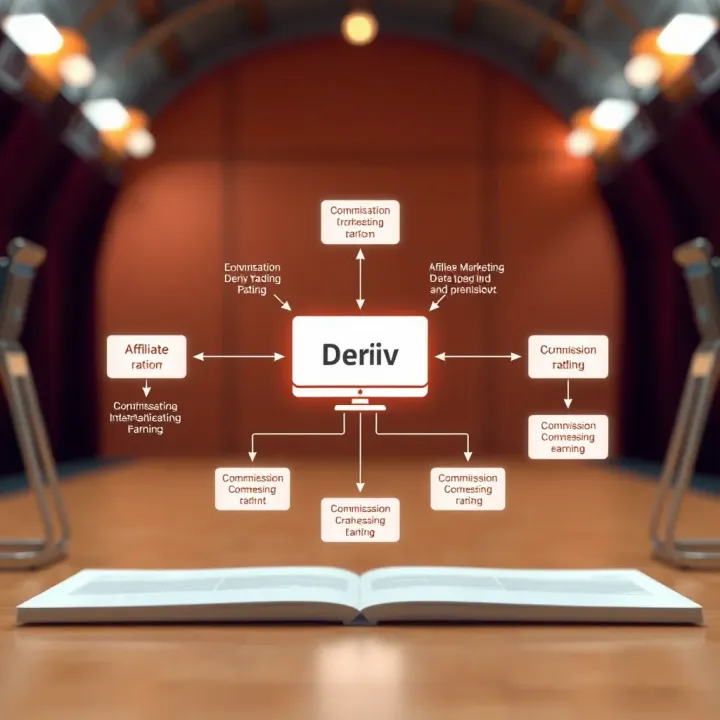
Earn ₦ through Deriv Affiliate by promoting Deriv's trading platform. Learn how to sign up, earn commissions, get paid, and use top tips for Nigerian online success 📈💰
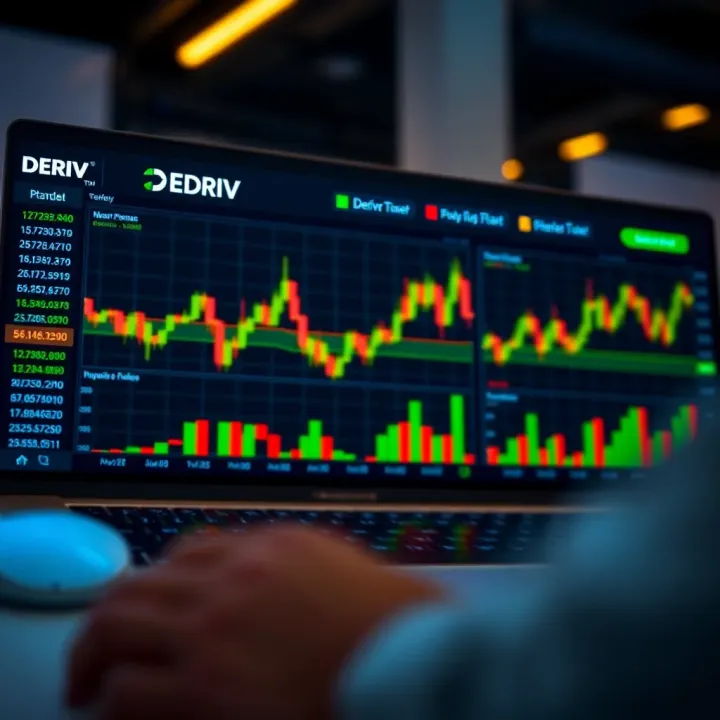
Discover Deriv's trading features, fees, account types & security for Nigerian traders 🇳🇬. Get the real insight to decide if Deriv fits your ₦ trading goals today!
Based on 11 reviews