
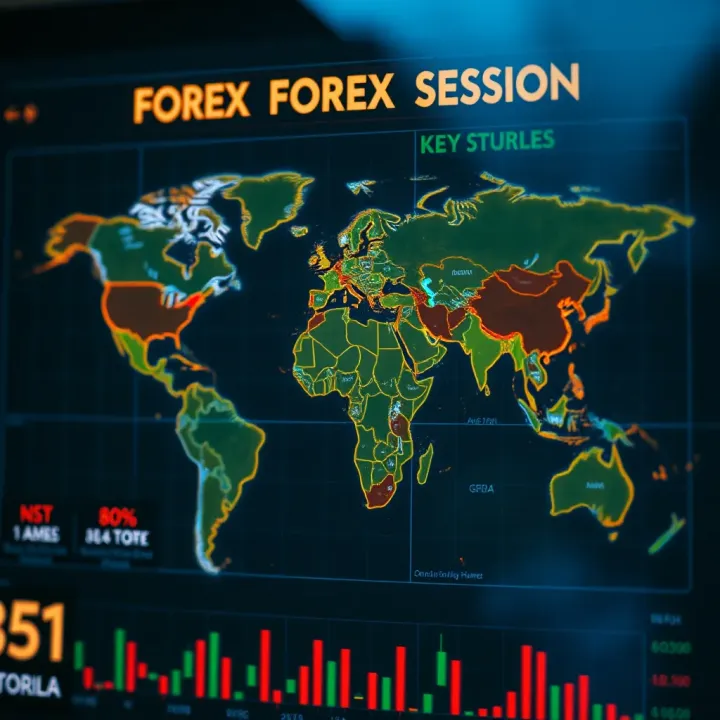
Forex Trading Hours in Nigeria Explained
📊 Know when to trade forex in Nigeria with clear guidance on global market hours, Nigeria's time zones, holiday effects, and smart tips for better trading decisions.
Edited By
Thomas Grant
Forex trading, simply put, means buying and selling currencies to make money from their price changes. For Nigerian traders, understanding this market can open up new streams of income beyond traditional business or investing in the stock exchange.
Unlike buying and selling goods in a market, forex trading happens on a global scale 24 hours a day, five days a week. This continuous market operation means forex prices react quickly to events around the world, creating both opportunity and risk. For instance, changes in Nigeria’s naira value against the dollar can be influenced by the Central Bank of Nigeria (CBN) policies, oil prices, or global economic shifts.
Getting started in forex trading requires knowing some key terms. Pip, for example, is the smallest price move a currency can make, often the fourth decimal place. Leverage allows traders to control large amounts of money with a small deposit, but it magnifies both gains and losses. Knowing these basics avoids costly mistakes especially where brokers offer high leverage.
In Nigeria, local conditions add layers to forex trading. Banks often restrict large foreign currency transactions, and the official naira exchange rate rarely matches the parallel market (black market) rate. Traders must navigate these differences and comply with the Nigerian financial regulations which may affect how you deposit or withdraw funds.
Successful forex trading depends on clear understanding of both global market forces and Nigeria’s unique financial environment.
To trade forex practically:
Start with a trusted broker regulated internationally and with clear Nigerian presence.
Use demo accounts first to learn without risking real money.
Manage risks carefully by setting stop-loss orders to limit potential loss.
Study global economic news, especially Nigeria's financial reports and CBN statements.
With these fundamentals, Nigerian traders can build skill and confidence gradually, moving towards consistent, informed trading.
This guide will take you through everything from basic definitions to real trading strategies that work in our Nigerian context.
Getting a solid grip on the basics of forex trading is indispensable for anyone serious about making headway in the forex market. For Nigerian traders, understanding these fundamentals clears the fog around how currencies are exchanged globally, the mechanics behind price movements, and the essentials that no number of online gists can replace. Without this foundation, it’s easy to fall prey to avoidable losses, poor decisions, or outright scams.
The forex market, also known as the foreign exchange market, is where currencies from around the world are bought and sold. It operates 24 hours a day, five days a week, making it the world’s largest and most liquid financial market. Traders exchange currencies in pairs—meaning whenever you buy one currency, you sell another simultaneously. For example, buying the USD/NGN pair means you’re buying US dollars and selling Nigerian naira.
Unlike stock exchanges, where you trade ownership of companies, forex trading deals strictly with currency values. This means price movements can be influenced by a wide range of factors including geopolitical events, economic reports, and central bank decisions. For a Nigerian trader, understanding how global events affect the naira and other major currencies is critical.
Many Nigerian investors are drawn to forex trading because it offers accessibility and high liquidity. Unlike investing in stocks or real estate, which can require significant capital, forex allows smaller investment amounts and 24/7 market access thanks to electronic trading platforms. Plus, the ability to trade on margin means potential for profit even with limited funds—though this comes with risks.
Currency pairs are the essence of forex trading. They fall into three categories: major, minor, and exotic pairs. Major pairs always include the US dollar and are the most liquid, such as EUR/USD or GBP/USD. Minor pairs exclude the dollar but still represent major global currencies like EUR/GBP. Exotic pairs combine a major currency with that of a developing or smaller economy, for instance USD/TRY (Turkish lira).
For Nigerian traders, popular pairs usually involve the naira alongside major currencies. USD/NGN, EUR/USD, and GBP/USD are favourites because of their volume and relative stability. Trading these pairs offers widespread market data and tighter spreads, helping traders make informed decisions.
The choice of currency pairs affects trading strategies significantly. Major pairs tend to have smoother, more predictable trends, suitable for swing or day trading. Exotic pairs, however, can be more volatile, with wider spreads and less liquidity, presenting both risk and opportunity. Nigerian traders need to align their choice with their risk appetite and trading goals.
Knowing your currency pairs well reduces guesswork and improves your chances of timing trades right, especially in a market as dynamic as forex.
In summary, grasping what forex trading is all about and the role of currency pairs lays the groundwork. It helps Nigerian traders approach the market with clarity, understand potential risks, and tailor strategies that respond to the unique behaviours of the currencies they trade.
Getting a solid grip on common forex terms sharpens your trading edge. Without clear knowledge of essential vocabulary like "pips," "leverage," or "spread," you risk confusion and costly mistakes. Every trader, especially beginners in Nigeria, benefits from understanding these terms to confidently navigate the sometimes volatile forex market.
A pip stands for "percentage in point" and represents the smallest price move in a currency pair, usually 0.0001 for most pairs. For example, if the EUR/USD moves from 1.2000 to 1.2005, that's a 5-pip shift. The lot size is the volume you trade; a standard lot is 100,000 units of currency, but many brokers offer mini and micro lots, which suit small accounts better.
Leverage allows you to control larger trades with a smaller deposit, called the margin. If you trade with 1:100 leverage, putting down ₦10,000 means you control ₦1,000,000 worth of currency. This amplifies gains but also losses, so understanding how margin ties directly to leverage keeps your risk in check.
The bid price is what buyers pay, and the ask price is what sellers want. The difference between these two is the spread, which is a broker’s charge to execute trades. In volatile markets or less liquid pairs, spreads widen, raising trading costs. For instance, trading USD/NGN might have a wider spread compared to USD/EUR, impacting how quickly you can profit. Hence, focusing on lower spreads helps save on fees and improve overall trade performance.
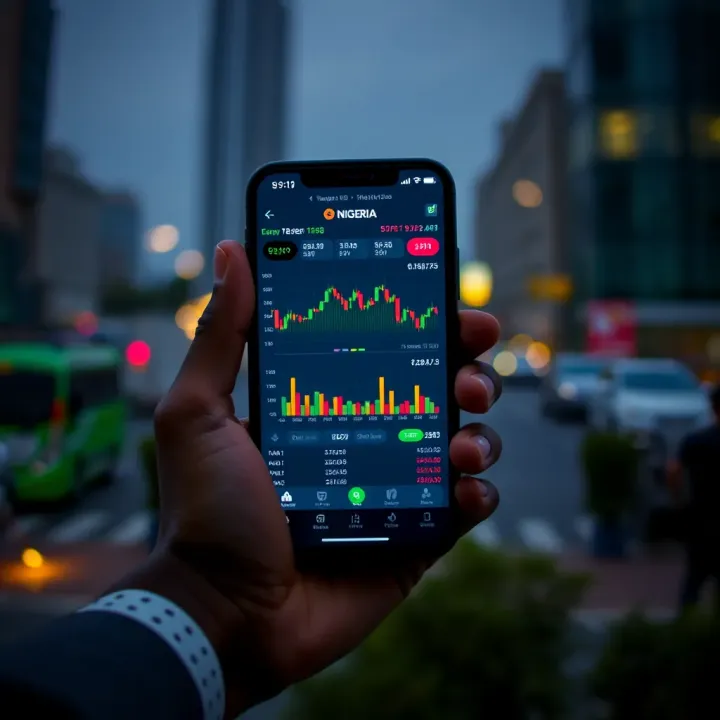
Taking a long position means you buy a currency pair expecting it to increase in value; for example, buying USD/NGN if you believe the naira will weaken against the dollar. Conversely, a short position is selling first to buy later, anticipating the price will fall. These positions let you benefit whether markets rise or fall, given you correctly read price trends and news.
Leverage magnifies both profits and losses. Using 1:50 leverage means that a ₦20,000 margin controls ₦1 million in currency. Small price moves can generate significant returns, but the reverse is also true. If the market moves against you by just 2%, it can wipe your margin out quickly. Therefore, leverage is a double-edged sword that demands respect and skill.
Nigeria’s forex market can be unpredictable due to factors like naira volatility, CBN policies, and global oil prices. Traders should avoid maxing out leverage offered by brokers. Instead, they should opt for reasonable leverage (like 1:10 or 1:20) and use stop-loss orders actively to limit potential losses. Controlling position sizes also helps, especially for those trading with small accounts during uncertain economic periods.
Always remember, leveraging without proper risk management is like driving a danfo recklessly in heavy Lagos traffic — one small error can cause a big crash.
Suppose you use ₦50,000 as margin with 1:100 leverage, controlling ₦5 million in trade. A 0.5% favourable move earns ₦25,000, a 50% return on your capital. But if the market moves 0.5% against you, your ₦50,000 is wiped out. In contrast, with 1:10 leverage, that same 0.5% move produces ₦2,500 gain or loss, more manageable for beginners.
To trade forex well in Nigeria, grasping these terms and the real-life effects of leverage is fundamental. It sharpens your decision-making and helps protect your funds against sudden market swings.
Before diving into forex trading, setting up properly is critical. For Nigerian traders, this means selecting the right broker, opening and funding a trading account without unnecessary delays, and choosing suitable platforms and tools. Getting these steps right helps avoid frustrations like frozen funds, platform glitches, or regulatory headaches.
When choosing a forex broker, consider regulation, fees, and trading platforms seriously. Brokers regulated by respected bodies—such as the Nigerian Securities and Exchange Commission (SEC) or international regulators like FCA or CySEC—offer better safety for your funds. Avoid brokers without clear regulation; many scams target Nigerian traders through unlicensed operators. Fees, including spreads and commissions, impact profitability directly, so pick brokers with transparent, competitive charges.
Many brokers have established a presence in Nigeria to serve local traders better. These brokers often accept naira deposits through local banks or payment services like Paystack or Flutterwave, reducing forex conversion hassles and delays. Examples include FXTM and HotForex. Choosing a broker with strong local support improves communication and quicker issue resolution.
For beginners, account types matter. Standard accounts usually require higher deposits and feature tighter spreads, while micro or mini accounts allow trading with smaller amounts. Starting with a micro account lets you learn without risking large sums. Some brokers also offer demo accounts, vital for practising without risking real money.
Opening a forex account requires documentation for verification. Expect to submit valid identification (national ID card, international passport), proof of address (utility bill or bank statement), and sometimes a recent photograph. This process, while seeming bureaucratic, helps protect against fraud and aligns with Nigeria’s regulatory guidelines.
Funding your trading account should be as seamless as possible. Local deposit options like bank transfers, USSD payments, or e-wallets are preferred since international transfers or cards sometimes face hiccups. Withdrawal processes can be tricky, so confirm the broker supports prompt naira withdrawals to avoid long waits or unfavourable conversion rates.
Handling naira to dollar conversions safely is crucial. Due to naira volatility and multiple exchange rates (official vs parallel market), always use brokers or payment channels that follow Central Bank of Nigeria (CBN) policies to reduce exposure to losses. Nigerian platforms such as OPay or PalmPay often provide safer remains compared to direct dollar payments through unstable channels.
MetaTrader 4 (MT4) and MetaTrader 5 (MT5) remain the go-to platforms worldwide, including Nigeria. These platforms offer powerful charting tools, quick order execution, and support for automated trading. MT5 is an upgrade with more indicators and timeframe options but MT4 remains preferred by many for its simplicity.
Nigerian traders often toggle between mobile and desktop platforms. Mobile apps offer trading flexibility, especially when stuck in Lagos traffic or away from desktops. Desktop versions provide more analytical depth, suitable for setting complex trades or research.
Additional tools like TradingView or specialised indicators help traders read market trends more clearly. These assist in technical analysis and improve timing decisions, crucial amid Nigeria’s market volatility and global event impacts.
Getting your setup right prevents avoidable losses and delays. Focus on reliable brokers, smooth account funding, and suitable platforms to build a solid trading foundation.
Forex trading isn't just about guessing which way currencies will move. Developing clear trading strategies and knowing how to analyse markets help traders make informed decisions, reduce risks, and increase chances of success. For Nigerian traders, this means combining knowledge of global factors with local realities to tailor approaches that really work.
Economic indicators such as inflation rates, unemployment figures, and GDP growth tell you the health of an economy. For example, if Nigeria's inflation rises sharply, the Central Bank of Nigeria (CBN) may intervene, affecting the naira's value against other currencies. Keeping an eye on data releases like Nigeria’s inflation reports or US non-farm payrolls can guide when to enter or exit trades.
CBN policies, including changes in interest rates or foreign exchange regulations, have direct effects on currency strength. When the CBN adjusts its monetary policy rate, traders see immediate impacts on naira liquidity and exchange rates. For instance, a hike in rates usually strengthens the naira and influences pairs like USD/NGN. Understanding such policies helps traders anticipate market moves rather than react late.
Global events also ripple through the forex market. For Nigerian traders, developments like US Federal Reserve decisions, oil price changes, or geopolitical tensions can shift currency valuations. Since Nigeria’s economy relies heavily on oil exports, a drop in oil prices often puts pressure on the naira. Staying updated on such events is vital for timing trades.
Charts and technical indicators reveal price trends and momentum without relying on news. Using tools like moving averages or the Relative Strength Index (RSI) shows when currencies might be overbought or oversold. For example, spotting a sudden surge in the USD/NGN chart with RSI hitting extreme levels can indicate an upcoming correction.
Trend lines mark the general direction of price movements, while support and resistance levels act like invisible walls where price tends to pause or reverse. Recognising a support level at which the naira often bounces back against the dollar can help a trader set entry points or stop-loss orders strategically.
Common chart patterns like head and shoulders, double tops, or triangles signal potential reversals or breakouts. If a USD/EUR pair forms a triangle pattern, traders expect a significant move when price breaks out. These patterns offer clues to decide when to buy or sell.
A robust trading strategy mixes both fundamental and technical insights to suit your style. Some traders may focus more on charts, others on news. Nigerian traders should test what fits their schedule and risk appetite—for example, combining CBN policy updates with chart patterns for clearer signals.
Backtesting your strategy involves applying it to past price data to see how it would have performed. A trader could examine last year’s USD/NGN price action to check if their stop-loss levels or entry signals held up well. This improves confidence and helps refine your plan.
Markets constantly change due to new information and events. Successful traders adapt by regularly reviewing their strategy and adjusting based on what’s working. For Nigerians, this might mean tweaking approaches during unstable periods like ember months or adjusting for fuel subsidy announcements that affect economic outlook.
Good forex trading combines smart analysis with flexibility. For Nigerian traders, drawing on economic realities, local monetary policies, and solid chart reading provides an edge for consistent results.
Forex trading offers exciting opportunities, but it carries significant risks that traders must manage carefully. In Nigeria, where economic volatility adds layers of complexity, effective risk management isn’t just advisable—it’s essential. Without a clear strategy to limit potential losses, many traders end up wiping out their capital quickly.
Setting stop-loss and take-profit orders is a fundamental risk control method. A stop-loss order automatically closes your position once the market moves against you by a certain amount, limiting how much you can lose. For example, if you buy the USD/NGN pair at ₦500 to the dollar and place a stop-loss at ₦490, your trade will close if the price drops to ₦490, preventing further loss. Take-profit orders work the other way—they close your trade when a target profit level is reached, helping you lock in gains before the market reversal.
Position sizing and capital allocation determine how much of your total trading fund you risk on each trade. Proper sizing prevents overexposure. Say you have ₦100,000 to trade; risking 2% (₦2,000) per trade is a common rule. This means even if a trade goes wrong, your overall capital remains mostly intact, letting you trade another day. Many new traders ignore this and put too much money on one deal, leading to big losses fast.
Avoiding common mistakes that lead to loss involves discipline and preparation. Chasing losses by doubling trade sizes often backfires. Also, overtrading or trading without a plan wastes precious capital. Nigerian traders sometimes fall for scams promising guaranteed gains or high leverage without understanding the risks. Staying patient, following your plan, and sticking to your risk rules is the best guard against these pitfalls.
Identifying trustworthy brokers and platforms is key. Opt for brokers regulated by recognised authorities. Though no Nigerian forex regulator is fully established yet, brokers regulated by international bodies like the FCA or CySEC with Nigerian offices offer some safety. Check for transparency in fees, clear terms, and accessible customer support.
Recognising typical scam tactics can save you from losing money. Watch out for brokers that pressure you over the phone to deposit more or guarantee automatic profits. Others manipulate prices or delay withdrawals. If a platform’s website looks amateurish or lacks company details, avoid it.
Nigerian traders must be vigilant because fraud schemes often exploit lack of information and urgency. Reliable brokers do not promise overnight riches or ask for large upfront payments without proper documentation.
Role of regulatory bodies like SEC Nigeria is gradually growing in overseeing online investment activities, including forex trading. While SEC Nigeria currently does not directly regulate forex brokers, it issues warnings against unregistered operators. Nigerian traders should follow SEC’s advisories and only do business with brokers who comply with established financial regulations to reduce fraud exposure.
Managing risk is not an option but a necessity in forex trading, especially here in Nigeria. By setting smart stop-losses, sizing positions properly, avoiding common errors, and steering clear of scams, you increase your chances of long-term success and financial safety.
Nigerian traders face a forex market layered with unique challenges and opportunities. This section focuses on practical tips that address these realities directly, helping you trade smarter and safer. The right approach can significantly improve your results, especially when navigating our complex economic environment.
Using a demo account is a wise first step. It lets you practise trading without risking real money, which is important for gaining confidence and testing strategies. For instance, platforms like MetaTrader offer demo modes that replicate live market conditions, giving you hands-on experience without the stress of losing ₦.
Keeping up with market news and ongoing education matters a lot. Economic developments from the Central Bank of Nigeria (CBN), global oil price changes, or geopolitical events can influence forex rates sharply. Subscribing to reliable news sources and attending training webinars helps you stay informed and ready to act when market shifts occur.
Joining online trading communities is another valuable move. Communities on platforms like Telegram or dedicated forex forums provide peer support, quick market insights, and shared learning. Many Nigerian traders exchange tips there, helping you spot scams early and exchange practical advice tailored to our market.
Exchange rate volatility has become a daily reality for Nigerian traders. Sudden swings between the official and parallel FX market rates require careful timing and constant monitoring. Tools like currency alerts and real-time quotes can help you manage trades to avoid being caught off guard by wide fluctuations.
Payment and withdrawal delays are common complaints among Nigerian traders, often caused by banking procedures or foreign exchange regulations. To minimise risks, use brokers with established local payment options such as quick naira deposits via platforms like Paystack or direct bank transfers. Always double-check withdrawal terms before funding your account to avoid surprises.
Maintaining discipline amid economic uncertainty is crucial. Inflation, fuel scarcity, and political events create stress that can cloud judgement. Successful traders control emotions, stick to their trading plans, and avoid chasing losses during tough times. Regularly reviewing your trades and learning from errors keeps you on a steady course despite external pressures.
Staying practical and grounded in Nigeria's realities sets you apart. While the forex market offers great opportunities, handling it with patience, ongoing learning, and strategic caution will pay off in the long run.
📊 Know when to trade forex in Nigeria with clear guidance on global market hours, Nigeria's time zones, holiday effects, and smart tips for better trading decisions.
Discover how to spot legit trading platforms in Nigeria 🇳🇬, understand regulatory protections, types of trades available, and tips to avoid scams safely in 2024.
📈 Discover how Nigerian traders can master IQ Option trading with practical steps on asset types, risk control, account setup, and funding in naira. ₦
🕒 Discover how Nigeria's time zone matches US forex trading hours and get practical tips to trade smarter during the US session for better results.
Based on 10 reviews