
Legit Trading Platforms in Nigeria: What You Need to Know
Discover how to spot legit trading platforms in Nigeria 🇳🇬, understand regulatory protections, types of trades available, and tips to avoid scams safely in 2024.
Edited By
Amelia Foster
Trading online has become increasingly popular among Nigerians looking to grow their wealth beyond traditional savings. With just a smartphone or laptop and internet connection, you can buy and sell stocks, forex, and commodities without leaving your home or office. This convenience is particularly useful across Nigeria’s cities where traffic jams and generator costs complicate frequent physical visits to trading or stockbroking firms.
How does online trading work? Simply put, you register with a licensed online brokerage or trading platform, fund your account in naira, and then place orders to buy or sell assets. These platforms connect you directly to the Nigerian Stock Exchange (NGX) or foreign markets depending on what you want to trade.
Online trading offers you control and flexibility, but also demands discipline and understanding of risks.
Several fintech companies and banks offer digital trading services tailored to Nigerian investors:
Chaka and Troves allow Nigerians to invest in Nigerian and US stocks with ease.
Risevest focuses on dollar-denominated assets and real estate funds.
Local banks like GTBank and Access Bank offer integrated investment options through mobile apps.
These platforms make funding your trading wallet and accessing market data straightforward, which is crucial for timely decisions.
Trading is not gambling, but it carries risks that need managing:
Exchange rate volatility impacts foreign investments. For instance, ₦ increases against the dollar can reduce dollar returns.
Market swings, especially in commodities like oil, can be steep due to global events.
Scams and unregulated brokers abound. Always verify your platform’s licence from the Securities and Exchange Commission (SEC) Nigeria.
Knowing what you’re trading and setting stop-loss orders can protect you from heavy losses.
The Central Bank of Nigeria (CBN) regulates foreign exchange and imposes rules on forex transactions. When trading international stocks, make sure you comply with CBN restrictions on FX dealings and report investments as needed. The SEC also licenses all stockbroking firms handling Nigerian equities.
In sum, online trading in Nigeria offers huge potential but requires solid knowledge about platforms, risks, and rules. Armed with the right information and tools, you can navigate this evolving space confidently.
Understanding how online trading works is essential for any Nigerian investor aiming to tap into the financial markets without the hassle of physical presence. In Nigeria, online trading platforms bridge the gap between traders and the stock exchanges, forex markets, or commodities markets, making investing accessible whether you're in Lagos, Abuja, or a remote town.
Online trading platforms allow Nigerian investors to access the Nigerian Exchange (NGX) and other global markets from their smartphones or computers. Instead of needing to visit a brokerage office, investors use apps or web portals provided by licensed brokers to place orders. For example, a trader in Enugu can buy shares in GTBank or Dangote Cement through a mobile app without stepping outside.
This digital access significantly cuts down transaction time and cost, enhancing convenience especially when you consider Lagos traffic or the need to travel long distances to brokers' offices. Real-time price updates and order execution improve decision-making speed, a practical advantage in fast-changing markets.
Investors in Nigeria can trade various asset classes online. Stocks listed on the NGX remain popular, while forex trading has grown due to the naira's fluctuations. Commodities such as crude oil and agricultural goods like cocoa also attract traders interested in hedging or speculation.
For instance, a Jos-based entrepreneur could diversify by investing in both local stocks and foreign currencies like the US dollar or euro via online forex platforms. This variety allows traders to balance risk and tap opportunities beyond traditional shares.
Brokers and dealers act as gatekeepers in Nigeria's online trading environment. Licensed brokers, regulated by the Securities and Exchange Commission (SEC), provide the platforms and execute trades on behalf of investors. Their role includes offering research insights, order execution, and ensuring compliance with local regulations.
Without brokers, retail investors couldn’t connect directly to the NGX or international markets. Brokers like Meristem Securities or Afrinvest often offer digital apps tailored for Nigerian traders, combining regulatory oversight with user-friendly interfaces.
To open an online trading account in Nigeria, you must provide your National Identification Number (NIN) and Bank Verification Number (BVN). These are mandatory for identity verification and anti-money laundering compliance.
Having your NIN and BVN ready speeds up registration and avoids delays. For example, a first-time trader in Ibadan without a BVN would be unable to fund their account or receive dividends until this requirement is met.
Most brokers offer straightforward online registration. You visit the broker’s website or app, fill in personal details, submit identification documents like your passport or driver’s licence alongside your NIN and BVN, and fill out a risk tolerance questionnaire.
Sometimes, brokers require in-person verification but many now complete the process remotely thanks to digital KYC (Know Your Customer) technologies. Registration usually takes between 24 and 72 hours.
Once registered, you fund your trading wallet with Nigerian Naira through bank transfers or payment apps linked to your broker. Some brokers accept payments from various Nigerian banks, making it convenient.
For example, if you use a GTBank account, you can transfer funds directly to your brokerage wallet to start trading. Keep in mind that currency conversion charges apply if you trade international assets, so maintaining a naira balance for local investments is practical.
Accessing Nigerian stock and forex markets online has never been easier. With just a few documents and a phone, anyone in Nigeria can join the investing ecosystem and manage their portfolio on the go.
In summary, knowing how online trading works in Nigeria equips investors to navigate platforms confidently, select assets wisely, and follow the right steps in creating and funding their accounts. This foundation is key for engaging with an evolving market landscape influenced by technology and local realities like regulatory compliance and currency volatility.
Online trading platforms serve as the gateway for Nigerian investors to the global financial markets. These platforms not only simplify access but also provide tools necessary for informed decision-making. Understanding both local and international platforms helps traders tailor their strategies according to their preferences and regulatory needs.
Kuda Bank has grown beyond being just a digital bank; it now offers users investment opportunities integrated within its app. Nigerian investors can buy and sell shares on the Nigerian Stock Exchange (NGX) directly through Kuda, making it easy for beginners to start without moving between apps. The platform is particularly advantageous because it allows fractional investing – buying portions of shares, which lowers the entry barrier for many Nigerians.
Opay is widely recognised for its mobile payment and fintech solutions, but it also incorporates investment services that allow users to trade in local stocks and fixed income securities. By leveraging Opay’s widespread reach, investors in multiple Nigerian states can participate in the stock market without visiting brokerage offices. This role is vital in enlarging market participation beyond Lagos and Abuja, making online trading more inclusive.
While primarily known for savings, Piggyvest and Cowrywise have stepped into the investment space by offering easy access to mutual funds and treasury bills. These apps educate users on investment basics and automate contributions, which suits Nigerians who have irregular incomes. Both platforms offer diversification without needing to pick individual stocks, suitable for investors cautious about market volatility.
Nigerian investors looking beyond local stocks often turn to eToro and Interactive Brokers. These platforms provide access to global equities, forex, and commodities markets with sophisticated trading tools. They also support Nigerian users with local funding options and customer support tailored to the region. However, these platforms require more familiarity with international market dynamics and are best for experienced traders.
Trading international assets means dealing with currency conversion, risk, and regulation. Since the naira fluctuates against major currencies, currency risk can affect returns substantially. Forex trading platforms also open opportunities for Nigerians to trade currency pairs directly, but traders need to understand leverage and margin calls, which can amplify losses as well as gains.
Nigerian investors must ensure their trading activities align with the Securities and Exchange Commission (SEC) guidelines to avoid legal complications. Both local and international trading platforms accessible to Nigerians often require Know Your Customer (KYC) processes including BVN and NIN verification. Ensuring platforms are licenced by SEC or partnered with local brokers protects investors from potential scams or regulatory breaches.
Choosing the right platform depends on your investment goals, expertise, and how much control you want over your portfolio. Local apps offer simplicity and accessibility, while international platforms provide a broader asset range but demand more sophistication.
Local platforms like Kuda, Opay, Piggyvest, and Cowrywise reduce barriers to entry, making online trading accessible.
International platforms provide expanded markets but require careful navigation of currency risk and compliance.
Always verify platform legitimacy to safeguard your investments and comply with Nigerian laws.
Trading online in Nigeria offers exciting opportunities, yet it comes with its share of risks and challenges. Knowing these ahead helps you make better decisions and protect your investments. This section outlines the main risks Nigerian investors commonly face, with practical insights to navigate safely.
The naira’s depreciation against major currencies impacts your investment returns directly, especially if you trade assets priced in dollars or euros. For instance, if you buy stocks on an international platform but the naira weakens, your gains in dollar terms might shrink once converted back, or you could face higher costs funding your account.
Unstable market conditions also mean prices of stocks and commodities can swing wildly. During ember months, for example, the naira often dips further, causing investor jitters and rapid market moves. This makes timing and patience vital to avoid panic selling or making hurried decisions that erode profits.
To cope, many investors use strategies like setting stop-loss orders to limit losses and diversifying portfolios across sectors. Keeping an eye on CBN policies and economic indicators helps you anticipate shifts and adjust your trades accordingly.
Online trading scams continue to affect Nigerian investors. Common tactics include fake brokerage websites mimicking licensed firms, phishing emails requesting bank details, and fraudulent investment schemes promising unrealistic returns. Since many traders operate from mobile devices, unsecured Wi-Fi networks pose an extra risk.
Protecting your accounts starts with using strong, unique passwords and enabling two-factor authentication where available. Regularly updating your device software and avoiding public Wi-Fi during transactions build extra layers of defence. Watch out for unsolicited messages and verify identities before sharing sensitive data.
The Securities and Exchange Commission (SEC) Nigeria actively regulates online trading to safeguard investors. They licence legitimate brokers and provide advisories on common scams. Staying informed through SEC announcements is an easy but effective way to avoid falling victim.
Never rush into investment offers—the SEC advises verifying a platform's registration status before committing funds.
Frequent power outages and unstable internet connectivity present practical hurdles for Nigerians trading online. Sudden disconnections during critical trades can trigger missed opportunities or unintended losses. For example, if you rely on NEPA or a generator that fails unexpectedly, you might not execute a timely order.
To manage these challenges, many traders invest in uninterruptible power supplies (UPS) or portable power banks and use mobile data networks alongside fixed broadband to ensure continuous internet access. Scheduling trades during periods of known stable power or internet availability can also help.
It's wise to have backup plans—such as allowing a trusted broker to execute trades on your behalf or setting automatic orders on your platform—to mitigate disruption. These practical steps reduce frustration and keep you engaged in the market despite local infrastructure issues.
By understanding these risks and preparing accordingly, you can trade online in Nigeria more confidently, protecting your capital and positioning yourself to seize opportunities as they arise.
Navigating the online trading space in Nigeria requires more than just placing orders; it demands a solid strategy that balances analysis and risk control. Developing clear strategies helps you make logical decisions amidst market volatility and naira fluctuations. This section focuses on practical approaches Nigerian investors can adopt to sharpen their trading skills and protect their investments.
Using reliable Nigerian financial news and data sources is essential for informed trading. Platforms like BusinessDay, Nairametrics, and the Nigerian Stock Exchange provide timely updates on market trends, corporate earnings, and government policies. For example, if the Central Bank of Nigeria adjusts interest rates, you should understand how that might affect banking stocks or the forex market.
Besides headlines, accessing company financial reports and SEC announcements can add depth to your analysis. These help you identify fundamentally strong stocks and spot potential red flags early.
Understanding price charts and indicators forms the technical backbone of trading decisions. Learning to read candlestick charts can reveal patterns signalling a stock’s momentum or likely reversal. Common indicators such as moving averages or the Relative Strength Index (RSI) help estimate entry and exit points.
For instance, if a stock listed on the NGX crosses above its 50-day moving average with rising volume, that could hint at a buying opportunity. Incorporating both fundamental data and technical signals improves the accuracy of your trades.
Setting stop-loss orders is a straightforward way to limit losses. This tool automatically sells a security when its price hits a certain level, preventing unexpected large dips. Nigerian markets can fluctuate sharply, especially around macroeconomic announcements, so placing a stop-loss order can safeguard your capital.
Diversifying your portfolio helps reduce risk exposure—spreading investments across various sectors, asset classes, or even different markets can soften the blow when one sector underperforms. For example, combining shares from the banking sector, oil and gas, and consumer goods lowers the chance your whole portfolio suffers due to a sector-specific shock.
Avoiding overtrading is also key. Trading too often, driven by emotion like FOMO (fear of missing out), can rack up costs and errors. Nigerian traders sometimes jump in and out chasing trends, but this usually leads to eroded profits. Patience and sticking to your plan often yield better results.
Effective trading balances thorough research with cautious risk management. By combining these strategies, Nigerian investors can navigate market swings more confidently and build lasting wealth.
Understanding the legal and regulatory framework for online trading is essential for Nigerian investors. It ensures your trades comply with local laws and protects against fraud and malpractice. Ignoring these rules could lead to financial losses or legal troubles, especially as online trading in Nigeria continues to expand. This framework also shapes how brokers operate and outlines tax responsibilities for investors.
The Securities and Exchange Commission (SEC) oversees Nigeria's capital markets, including online trading activities. Brokers must hold proper licenses from SEC to legally offer trading services. This licensing process ensures brokers meet minimum standards relating to capital, governance, and operational integrity. For you as an investor, dealing only with SEC-licensed brokers reduces the risk of falling victim to unregulated actors, some of whom may disappear with your funds.
SEC also enforces strict rules on brokers' conduct, including transparency in charges and conflict-of-interest management. For example, if using a platform like Meristem or ARM Securities, you can verify their licensing status with SEC to confirm their compliance. This oversight keeps brokers accountable and maintains market integrity.
Investor protection is another key function of SEC. The commission monitors trading activities to detect and prevent manipulative practices such as insider trading or pump-and-dump schemes. SEC also requires brokers to safeguard clients’ assets, separating client funds from company accounts. This helps prevent losses if a brokerage firm faces financial difficulties. Furthermore, SEC maintains a dispute resolution process for investors who face issues with their brokers or trading platforms.
Dealing with SEC-regulated brokers ensures your investments are backed by legal protections, making your trading experience safer and more trustworthy.
Trading profits in Nigeria are subject to tax under the Personal Income Tax Act (PITA). If you earn gains from stocks, forex, or commodities, you must declare these profits when filing your annual tax returns. These earnings form part of your assessable income and are taxed at the applicable rates, which vary based on income brackets. Failure to report trading gains could attract penalties from the Federal Inland Revenue Service (FIRS).
Proper filing and documentation help you stay on the right side of tax laws. Maintain detailed records of each trade, including dates, prices, and fees paid. This documentation supports your profit calculations, especially when deducting allowable expenses such as broker commissions. Many Nigerian traders use digital record-keeping tools or financial apps that generate statements compatible with FIRS filings. Remember, submitting accurate tax returns not only avoids fines but also keeps you eligible for investment incentives offered by some tax authorities.
In summary, knowing your tax obligations and keeping clear documentation protects you from unexpected liabilities and supports a sustainable trading practice in Nigeria. It’s wise to consult a tax professional familiar with trading-related income to navigate these requirements confidently.
Discover how to spot legit trading platforms in Nigeria 🇳🇬, understand regulatory protections, types of trades available, and tips to avoid scams safely in 2024.
📈 Discover how Nigerian traders can master IQ Option trading with practical steps on asset types, risk control, account setup, and funding in naira. ₦
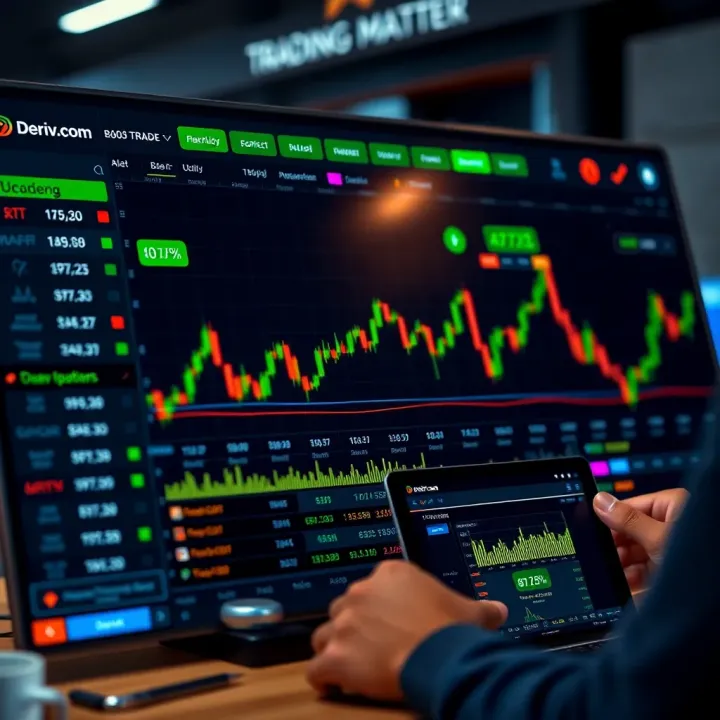
Explore trading on Deriv.com with tailored tips for Nigerian users 🇳🇬. Learn about account setups, markets, payment methods, and safety protocols 📊💼💳.
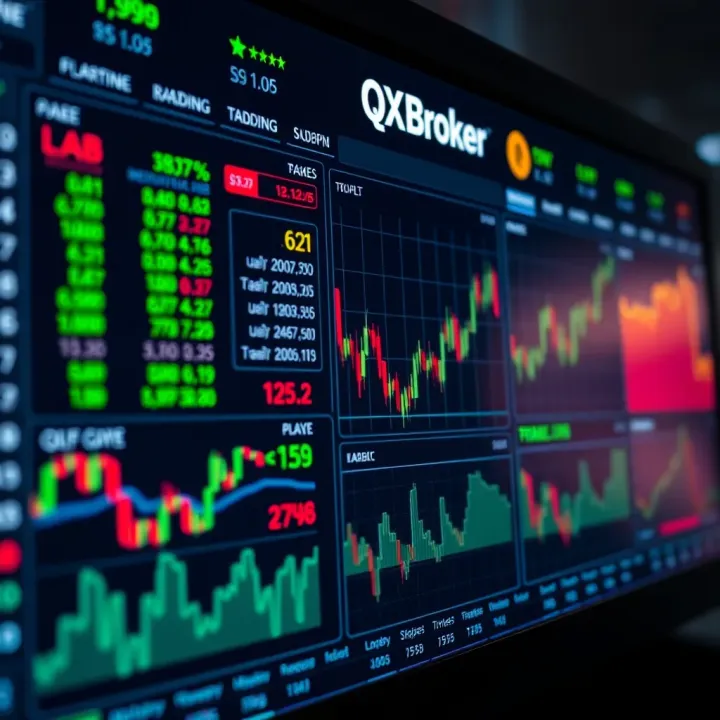
Explore QXBroker.com 🇳🇬—a trusted online trading platform offering diverse account types, solid regulatory standing, and tailored services for Nigerian investors aiming to grow ₦. Learn key features, risks, and how to trade smartly with local insights and support💡📈.
Based on 12 reviews