
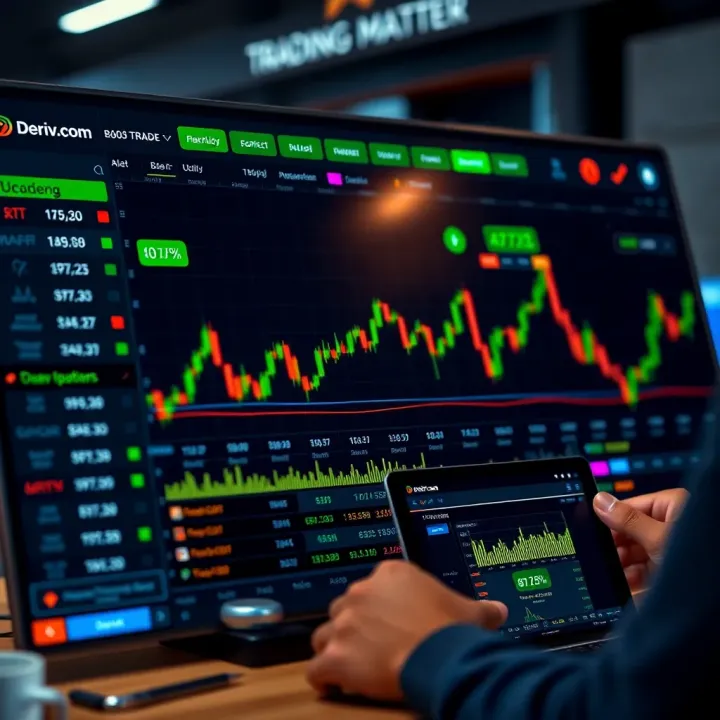
Trading on Deriv.com: A Guide for Nigerian Traders
Explore trading on Deriv.com with tailored tips for Nigerian users 🇳🇬. Learn about account setups, markets, payment methods, and safety protocols 📊💼💳.
Edited By
Daniel Fletcher
Choosing the right trading app for Nigeria's market is not just about picking the most popular platform. It means understanding your trading goals, the features that matter locally, and the security standards that protect your investment. Whether you’re a seasoned investor or just getting started, an app tailored to Nigerian market nuances can make a significant difference in your trading efficiency and profits.
Trading apps in Nigeria come in various shapes—some focus on stocks listed on the Nigerian Exchange (NGX), while others offer access to foreign markets like the NYSE or NASDAQ. There are also platforms dedicated to cryptocurrencies and forex trading, each with unique requirements. For instance, an app that handles ₦ deposits and withdrawals seamlessly is key for ease of use in Nigeria, especially considering our fluctuating naira value and banking system challenges.

Security and regulation should be top of mind. The Central Bank of Nigeria (CBN) and Securities and Exchange Commission (SEC) regulate financial activities, so choosing an app that complies with these authorities safeguards your funds. Beware of platforms lacking Nigerian regulatory oversight—they might expose you to fraud or legal complications.
Support for local payment methods like Flutterwave, Paystack, or direct bank transfers.
User-friendly design that fits low-bandwidth internet environments common in parts of Nigeria.
Transparent fee structures, including commission and withdrawal charges.
Access to educational resources or market news relevant to Nigerian traders.
Responsive customer support based in Nigeria or familiar with local issues.
Several apps such as GTBank’s trading platform, Trove, and Bamboo have gained traction among Nigerian users for blending ease of use with access to global markets. Meanwhile, apps like Chaka and Risevest are making waves by enabling direct investment with naira and a localised interface.
Selecting the best trading app is about matching the platform’s capabilities with your trading style and the realities of Nigeria's financial environment. In the following sections, we'll explore popular platforms, features, and how to evaluate security and regulation risks so you can trade confidently and effectively.
Grasping what trading apps are and how they fit into Nigeria's market landscape is key for anyone interested in investing or trading. These apps have altered how Nigerians access financial markets, making it easier to buy and sell stocks, foreign exchange, and cryptocurrencies with a few taps on a phone. In a country where traditional brokerage services can be limited by geography and high costs, trading apps open doors for a wider pool of users, from young tech-savvy entrepreneurs to seasoned traders.
Many Nigerians rely on smartphones as their main internet access point, so mobile trading apps that run efficiently on limited data or basic devices have become especially relevant. They offer practical benefits such as instant market updates, on-the-go transactions, and a simplified way to track investments. Understanding the types of trading apps available helps tailor choices to your financial goals and risk appetite.
A trading app is a software application designed to allow users to buy, sell, and monitor financial assets directly from their mobile devices or computers. It connects traders with markets — like stock exchanges or forex platforms — providing tools such as real-time price charts, order execution capabilities, and account management features. For instance, Nigerian investors can use trading apps to access the Nigerian Exchange Group (NGX) or foreign markets without visiting a physical broker.
Unlike traditional methods that involve paperwork and delays, trading apps offer speed and convenience. They often incorporate educational resources and risk management options, helping users make informed decisions. Security features are also embedded to protect personal information and transactions from fraud.
Stock trading apps let Nigerians buy and sell shares of companies listed on exchanges like the NGX or international markets such as the US stock exchanges. These platforms often provide access to diversified stocks, ETFs (exchange-traded funds), and sometimes bonds. What makes stock trading apps valuable is their ability to bring market access closer to investors who might otherwise struggle with high brokerage fees or lack of local offices. For example, platforms like Chaka and Trove allow users to invest in both Nigerian and global equities with relatively low capital and easy currency conversion.
Forex trading apps cater to those interested in currency markets, where buying and selling different currencies aim to profit from exchange rate fluctuations. In Nigeria, forex trading is popular among entrepreneurs and traders looking to hedge against naira volatility or earn from intraday price movements. Apps like MetaTrader 4/5 provide robust tools for analysis, automated trading, and access to global currency pairs. Since forex trading is high-risk and fast-paced, these apps emphasise quick execution, real-time data, and user control.
With the rise in crypto adoption in Nigeria, trading apps for cryptocurrencies have become essential tools. These apps enable users to trade major coins like Bitcoin, Ethereum, and local stablecoins, plus newer tokens. Platforms such as Binance, Bundle Africa, and Yellow Card have localised options that support Nigerian payment methods and faster withdrawals in naira. Crypto trading apps appeal particularly to younger Nigerians seeking alternative investments outside traditional banking or stockbroking, despite regulatory uncertainties that demand careful choice and vigilance.
In all, knowing these app types clarifies the trading landscape and helps you pick a platform that suits your style, budget, and market interests.
Choosing the right trading app in Nigeria means paying close attention to features that suit your unique trading needs and local conditions. With unreliable power supply, fluctuating internet connectivity, and currency considerations, some functions become non-negotiable. A platform that excels elsewhere may stumble here due to poor adaptation to Nigerian realities. Let’s break down the essential features every Nigerian trader should prioritise.
A clean and simple user interface (UI) saves both time and frustration. Nigerian traders, especially beginners, may find cluttered apps overwhelming. A well-designed UI means clear navigation, readable fonts, and quick access to core functions like placing orders or checking portfolio values. For example, platforms like Chaka and Troves offer intuitive dashboards that display your Nigerian Stock Exchange (NGX) holdings with minimum fuss. Also, applications that provide tutorial guides or real-time notifications enhance the overall user experience, helping traders spot trends and act fast.
Data can be expensive, and network coverage patchy in many Nigerian areas. Trading apps that are light on data and can operate smoothly on slower 3G or 4G signals prove advantageous. Some apps employ data compression or allow offline access to charts and reports. This ensures you won’t miss trading opportunities because your phone can’t load a full website or complex graph. One example is the Rise app, known to deliver efficient performance with minimal data draw, making it budget-friendly and practical.
Trading costs directly affect profitability. Nigerian traders should look for apps with transparent fee structures—low commissions, no hidden charges on deposits or withdrawals, and competitive spreads (difference between buy and sell prices in forex or crypto trading). For instance, Forex traders often lean towards MetaTrader for its competitive spreads and no minimum deposit. Always compare fees across apps because a seemingly small percentage extra can eat into your returns, especially for high-frequency traders.
An important feature is the ease of moving funds in and out in Nigerian Naira (₦). Not all global trading apps accept or disburse ₦ directly, which adds conversion costs and delays. Look for apps supporting popular Nigerian payment channels like Interswitch, Quickteller, or bank transfers through GTBank or Access Bank. This local integration simplifies funding, withdrawals, and prevents the headache of foreign currency accounts. Platforms embracing local payment systems demonstrate sensitivity to Nigerian traders’ needs.
Security should be top of mind. Trading apps dealing with your funds and personal data must have robust protection: two-factor authentication (2FA), biometric logins, encrypted data transmission, and transparent privacy policies. Furthermore, regulatory compliance in Nigeria matters; apps authorised by the Securities and Exchange Commission (SEC) or regulated under CBN guidelines offer more trustworthiness. Avoid apps flagged or blacklisted by Nigerian regulators. Security lapses can cost millions of naira both directly and in lost trust.
Prioritising these features ensures you use a trading app that matches Nigeria’s trading environment. It is not just about flashy functions but practical benefits tailored to your everyday realities.
Choosing a Nigerian-friendly trading app means finding the balance between convenience, affordability, and security. Reviews from local users and verified trading communities can provide further insight before committing.
Trading apps have reshaped how Nigerians access financial markets, offering convenience and access beyond the traditional brokerage setups. For investors and traders, choosing a popular, well-established app is more than a matter of trend; it’s about platform reliability, ease of use, and support for local market nuances. These apps handle ₦ transactions, offer access to NGX and international markets, and respond to regulatory changes that directly affect Nigerian users. Below, we explore some top stock, forex, and crypto trading apps relevant for Nigeria.
Chaka stands out as a versatile platform that breaks down barriers for Nigerians wanting to trade both Nigerian Exchange Group (NGX) stocks and global securities. It allows users to buy fractions of US stocks and ETFs, making it affordable for retail investors. Using Chaka, you can diversify your portfolio beyond Nigerian equities while settling transactions in naira, which eases currency exchange hassles.
Troves is another player offering similar access to Nigerian and international stocks. Its standout feature is the ability to invest in fractional shares, including in blue-chip firms listed on the New York Stock Exchange and NASDAQ. Troves also supports educational content and portfolio analytics, helping Nigerian beginners make better-informed decisions with less guesswork.
Rise emphasises user-friendly access to NGX and US markets, targeting Nigerian millennials who seek both ease and sophistication. Besides fractional investing, Rise offers thematic portfolios and online community engagement where Nigerian investors discuss market trends and strategy. This combination appeals to those looking to blend social investing with practical wealth-building.
MetaTrader 4/5 (MT4/MT5) dominate forex trading worldwide and maintain popularity in Nigeria for their powerful charting tools and support for algorithmic trading. Many Nigerian forex traders rely on MT4/MT5 for their robust technical indicators and compatibility with expert advisors (EAs). These platforms also support demo accounts, allowing beginners to practise without risking real money.
ExpertOption has earned a following among Nigerian traders due to its simplicity and rapid trade execution, well suited for those interested in binary options and short-term forex trades. It supports multiple payment methods, including local cards and wallets, which makes funding accounts and withdrawing profits easier for Nigerian users.
Binance is the leading global crypto exchange with a strong Nigerian presence. It offers a wide variety of cryptocurrencies, high liquidity, and relatively low fees. Binance also facilitates NGN deposits and withdrawals via bank transfers and local payment channels, helping users avoid cumbersome exchange processes.
Bundle Africa purposely targets African users with a straightforward app interface and support for NGN. It combines peer-to-peer trading and direct crypto purchase options, which appeals to Nigerians wary of exchange volatility. Bundle also incorporates social features to share insights and engage the local community.
Yellow Card provides an accessible crypto buying experience for Nigerians, focusing on fiat integration and compliance with regulatory frameworks. It supports bank transfers and popular digital payment services, simplifying Nigerian traders’ ability to invest in Bitcoin, Ethereum, and other popular crypto assets.
Choosing a trading app popular in Nigeria ensures better local support, easier funding in naira, and a platform built around the regulatory and infrastructural realities Nigerian traders face. Whether your interest lies in stocks, forex, or cryptocurrency, these apps provide a practical entry point backed by solid user bases and clear relevance to the Nigerian market.
Grasping the risks and regulations surrounding trading apps is essential for anyone looking to trade in Nigeria's market. Without this knowledge, traders can easily fall into traps set by fraudulent platforms or suffer heavy losses due to market volatility. Nigerian financial regulations and the evolving nature of technology require users to stay informed and cautious.
The Central Bank of Nigeria (CBN) and Securities and Exchange Commission (SEC) are the main bodies regulating trading activities. For instance, the SEC governs stock trading apps, ensuring they comply with Nigerian law and protect investors. The CBN oversees forex and payment systems, affecting how users can fund accounts or transfer funds. Unfortunately, regulations in cryptocurrency trading remain fuzzy, leading to uncertainty. Traders must verify if the app is licensed or registered with Nigerian authorities before committing funds.
Apps like Chaka and Trove operate under SEC approval, giving users some assurance. On the other hand, many forex or crypto apps operate offshore, which may expose users to weak legal protection. Being aware of these differences can prevent surprises later.
Scams in trading apps have become common. Fake offers of high returns, fake endorsements, and ghost apps have targeted many Nigerians, especially those new to investing. The striking thing about these scams is often their professional look and slick marketing.
To avoid scams, always check whether the platform has a Nigerian office or reliable customer support. Reviews on credible sites and feedback from other Nigerian users provide good clues. Also, avoid apps asking for unusual personal details beyond your BVN or NIN. Legitimate platforms use secure verification processes and never pressure users into quick investments.
Remember, if it sounds too good to be true, like guaranteed huge profits with zero risk, it probably is a scam.
Trading, by nature, involves risk. In Nigeria, this is compounded by market instability, naira fluctuations, and sometimes unreliable internet access affecting live trades. Understanding that prices, especially in forex and crypto markets, can change rapidly is crucial.
Traders should develop strategies like setting stop-loss orders or limiting the amount invested per trade to manage losses. Diversifying investments across stocks, forex, and even savings-held platforms can reduce exposure. It's vital to stay updated on news affecting global and Nigerian markets since events like fuel subsidy removal or political elections often impact asset prices.
In summary, understanding the regulatory climate and recognising potential risks protect your investments and make your trading experience safer and more profitable. Always confirm app legitimacy, watch out for scams, and prepare for inevitable ups and downs in the market.
Starting your trading journey in Nigeria means making smart choices from the beginning. The ease with which you set up your account, fund it, and understand basic strategies can define your overall success. Nigerian traders face unique challenges such as fluctuating naira exchange rates and mobile network variability, so selecting the right platform and knowing how to begin sharply matter.
The first step is creating your trading app account and completing identity verification. Platforms operating in Nigeria usually require your National Identification Number (NIN) or Bank Verification Number (BVN). For example, Chaka and Troves demand BVN for account opening to comply with Central Bank of Nigeria (CBN) regulations, ensuring your account is legitimate and secure.
Verification might also include uploading a government-issued ID like your international passport or driver’s licence. Though this may seem tedious, it protects you against fraud and aligns with Nigeria’s Know Your Customer (KYC) standards. Some apps offer quick verification via selfie biometric checks, making the process faster for users with good internet connection.
Once your account is set up, funding it becomes next. Most Nigerian-friendly trading apps accept local bank transfers, USSD payments, and even mobile wallets such as OPay or PalmPay. Funding directly in naira (₦) is preferable to avoid unnecessary currency conversion charges and delays.
Beware of exchange rate fluctuations when funding in foreign currencies. Some platforms provide instant conversion at competitive rates; others deduct extra fees. For instance, if you transacting on Binance for cryptocurrency, converting from naira to USDT ahead of time can save costs. Always check your app’s rates and payment options before committing.
New traders should start with simple trading strategies to manage risk while gaining experience. Dollar-cost averaging is a solid approach—investing fixed amounts regularly, regardless of market price, reduces exposure to sudden market swings common in volatile Nigerian markets.
Another beginner-friendly strategy is diversification. Do not put all your ₦50,000 into a single stock or crypto asset. Spread your investment across different sectors or asset classes, such as stocks listed on the Nigerian Exchange (NGX) and stable cryptocurrencies like Bitcoin or Ethereum.
Paper trading, offered by platforms like MetaTrader 5, allows you to practise without risking real money. It’s a smart way to understand how trades work in real market situations before going live.
Monitor your internet connection: Poor connectivity affects timely trade execution—consider using MTN or Airtel for better network reliability in your area.
Keep an eye on local news: Economic policies by the CBN or government announcements can affect market prices quickly.
Beware of scams: Avoid platforms not registered with the Securities and Exchange Commission (SEC) Nigeria or those promising unrealistic returns.
Set stop-loss orders: Protect your capital by automatically selling assets if prices drop to a predetermined level.
Start small: Don’t rush to invest large sums at once; build confidence step by step.
Getting started well sets the foundation. By following clear steps to set up, fund, and trade wisely, you stand a better chance at navigating Nigeria’s market nuances effectively.
Explore trading on Deriv.com with tailored tips for Nigerian users 🇳🇬. Learn about account setups, markets, payment methods, and safety protocols 📊💼💳.

📈 Discover how the Volatility 75 Index behaves and learn effective trading tips, risk management, and strategies tailored for Nigerian traders. 🇳🇬

📈 Discover how Nigerian investors can benefit from copytrading by automatically following top traders. Learn the pros, cons, and simple steps to start wisely.
📈 Learn about synthetic trading, its workings, pros & cons, and how it compares to traditional methods in Nigeria's financial markets. 💼💡
Based on 13 reviews