

Understanding Synthetic Trading Basics and Uses
📈 Learn about synthetic trading, its workings, pros & cons, and how it compares to traditional methods in Nigeria's financial markets. 💼💡
Edited By
Isabella Clark
Choosing the right trading app is a vital step for Nigerians eager to engage with the stock market or other investment avenues confidently. The financial landscape in Nigeria is dynamic, with opportunities in equities, forex, cryptocurrencies, and more. However, not all trading apps are created equal, especially when it comes to features, security, and cost.
A good trading app must balance ease of use with powerful tools for research and analysis. For investors in Nigeria, this also means apps should handle local payment systems like bank transfers via USSD or integrated wallet solutions (e.g., OPay or Kuda), supporting smooth fund deposits and withdrawals in naira.
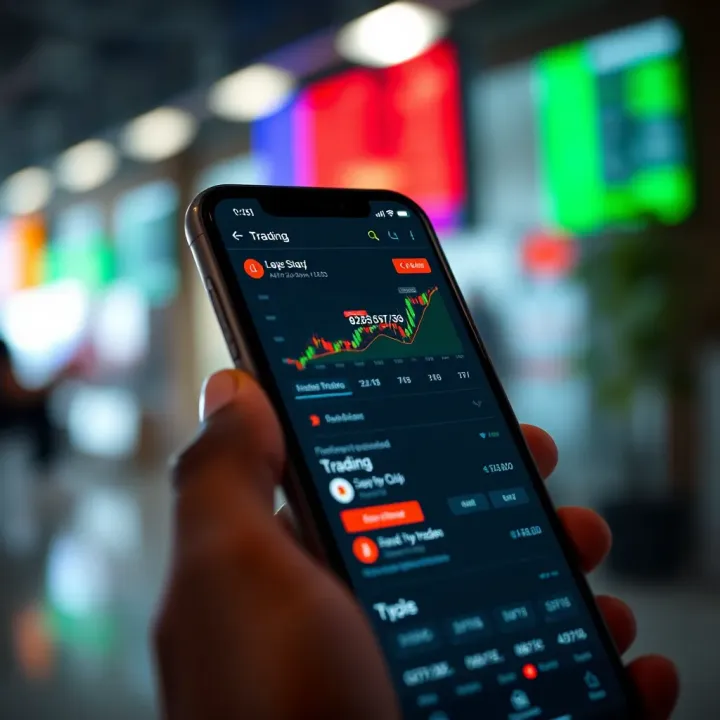
When selecting a trading app, security is non-negotiable. Apps employing two-factor authentication, biometric login, and encryption protect users against fraud, particularly important given Nigeria’s growing digital payments ecosystem and rising cyber threats.
Beyond security, important features include real-time market data, a comprehensive portfolio overview, multi-asset support, and educational resources. For example, some Nigerian-focused apps now offer integrated access to the Nigerian Stock Exchange (NGX) alongside global markets, which helps diversify investment options.
Cost also influences choice significantly. This covers trading commissions, withdrawal fees, and hidden charges that can eat into returns. Many traders prefer apps with transparent pricing and no maintenance fees. Often, fintech players like Chaka or Trove attract users with low or zero commissions and make investing accessible even with small amounts.
In the Nigerian context, reliable customer support is an advantage. Given the frequent power outages and network instability, having swift and knowledgeable support can prevent frustration and losses.
Understanding these aspects ensures you pick a trading app tailored for the Nigerian market, helping you trade smartly without unnecessary risks or costs.
Choosing the right trading app in Nigeria demands more than just picking one with flashy features. The app has to suit the Nigerian market's unique realities—from mobile use habits to payment options and regulatory oversight. Understanding these elements ensures a smooth trading experience and helps investors avoid costly mistakes.
Trading in Nigeria is often done on mobile phones due to limited access to desktops or laptops. A good trading app must have a simple, intuitive interface that is optimised for small screens and varying internet speeds. For example, apps like Trobbie excel because users can navigate with ease even on a 3G connection. Clunky layouts or complex menus can discourage users, especially beginners, from making timely trades or checking their portfolios regularly.
Staying ahead in the market means reacting quickly to price changes and news. Nigerian investors benefit from apps providing real-time updates on stock prices, market indices, and currency movements. Charting tools that display trends visually enable investors to spot entry and exit points without second-guessing. For instance, being able to monitor the NGX All-Share Index’s fluctuations live can help traders make informed decisions instead of relying on delayed data from third-party platforms.
Seamless deposit and withdrawal processes are essential. Trading apps that link directly to popular Nigerian banks like GTBank, Access Bank, or UBA, or mobile payment systems such as OPay and PalmPay, reduce friction and speed up transactions. Moreover, integration with the Bank Verification Number (BVN) system enhances user verification, cutting down on fraud risks. Apps operating with reliable payment options help investors move funds easily, avoiding the delays common with cross-border or manual transfers.
A trading app’s relevance increases when it offers direct access to securities listed on the NGX. Nigerian investors tend to prefer local equities and fixed-income assets for diversification. Apps that provide a wide range of NGX-listed stocks, bonds, and ETFs enable users to tailor portfolios according to market conditions and personal risk tolerance. For example, Chaka offers NGX securities trading alongside global options, which broadens investment opportunities for users.
Beyond the NGX, some apps give access to other regional markets or investment types such as Nigerian Treasury Bills, real estate crowdfunding, or even agricultural ventures. This inclusion helps users diversify locally without dealing with complicated foreign exchange procedures. Apps that feature local startups or agritech investments provide a practical way for Nigerians to support and benefit from domestic economic growth.
Trading apps handle sensitive financial and personal data that must be safeguarded. Top apps employ strong encryption protocols, such as SSL/TLS, to protect data during transmission. Additionally, they store user data securely to prevent breaches. Nigerian investors should look out for apps that clearly state their security measures, as poor data protection can lead to identity theft or unauthorised fund access.
Security isn’t just a checklist item—it's a safeguard that protects your hard-earned money and personal information from cyber threats common in the Nigerian digital space.

Legitimate trading apps operate under the watch of SEC Nigeria. This body sets rules to protect investors and maintain market integrity. An app compliant with SEC regulations means it has met local legal requirements, including licensing and capital adequacy. Investors should verify if an app’s regulatory status is current to avoid scams or unregulated platforms that might disappear overnight with users’ funds.
Understanding these factors helps Nigerians pick trading apps that fit their needs, protect their investments, and offer access to opportunities in local and regional markets. Apps built with the Nigerian context in mind make the difference between frustration and a smooth, profitable trading experience.
Choosing the right trading app can significantly impact your investment journey, especially in Nigeria where the market is growing rapidly and diversification of investment options is key. Reviewing popular trading apps allows you to compare real features, costs, and usability tailored for Nigerian investors. This helps you avoid pitfalls such as hidden fees or limited market access that can erode potential gains.
An effective review considers the app’s adaptability to Nigerian payment systems, security compliance, and real-time responsiveness. For example, users need to know if the app allows seamless integration with local banks or supports NGN transactions without excessive conversion charges. Such practical details make all the difference in trading cost-effectiveness and ease.
Chaka: Features, fees, and user experience
Chaka stands out for offering direct access to both Nigerian and global stock markets, allowing investors to buy shares in companies listed in the United States alongside NGX securities. Its interface is mobile-optimised with clean navigation, suitable for busy users who want quick market updates. The platform charges a flat commission around 1.5% per trade, which sits reasonably well compared to typical brokerage fees in Nigeria.
User experience on Chaka reflects a balance between advanced tools for seasoned traders and simplicity for beginners. However, some users report delays in withdrawal processing, which is an important practical point when choosing an app. Knowing such details helps you weigh the trade-off between global access and payout speed.
Risevest: Investment options and platform usability
Risevest appeals to Nigerian investors looking for diversified fixed-income and equity investments primarily in US assets and real estate. Unlike conventional trading apps, it provides curated portfolios with low minimum entry points, making cross-border investing accessible without the usual barriers.
The app's usability is smooth, focusing on intuitive navigation and straightforward deposit and withdrawal options with local bank transfers. Still, investors should note that Risevest prioritises longer-term investment over short-term trading, so it suits those aiming for steady growth rather than active stock flipping.
Trobbie: Market access and educational support
Trobbie presents a straightforward gateway to NGX stocks and funds, targeting new investors by combining market access with educational resources. Its design includes tutorials, investment tips, and market news tailored sharply to Nigeria’s economic environment.
This blend of practical market access plus focused learning makes Trobbie a good choice for traders seeking to grow knowledge while actively investing. The fees are competitive with platforms like Chaka, but its educational emphasis provides added value missing in many mainstream apps.
Cowrywise: Combining savings and investment
Cowrywise disrupts the trading space by integrating savings plans with investment opportunities. Users can automate routine savings that flow into diversified assets, including equities and government bonds, directly from their mobile phones.
This seamless integration benefits Nigerians who want to build investment discipline while earning returns on idle funds. The app also features straightforward budgeting and goal-setting tools, helping users see a clear path from saving cash to accumulating investments.
Kuda’s trading features and user engagement
Known primarily as a digital bank, Kuda has recently introduced trading features that bring stock buying closer to everyday Nigerians. Its app focuses on simplicity and immediate access, with smaller minimum investments and zero commission on certain trades.
Kuda’s strength lies in combining everyday banking with trading, which encourages wider participation. The platform frequently updates user engagement features like push notifications and educational snippets, which help keep investors informed and active without overwhelming them.
Reviewing these apps side-by-side sheds light on strengths and trade-offs, guiding you to pick an option tuned to your investment style and needs in the Nigerian market.
Cost plays a vital role when selecting a trading app in Nigeria. Beyond the allure of intuitive designs and impressive features, the fees tied to transactions directly impact your net returns. Essentially, the less you pay in charges, the more your investments can grow. It’s not just about spotting the best stocks or funds—it’s also about choosing a platform that helps you keep more of your profits.
How brokers set their fees influences the actual money you walk away with, especially if you trade often. For instance, if an app charges a 1% commission on every trade, frequent buying and selling eat into your capital. Even a seemingly small fee can pile up, turning a promising investment into a sluggish performer if not carefully monitored.
Typically, Nigerian trading apps adopt diverse fee structures. Some platforms like Chaka or Trobbie may charge a flat fee per trade, say ₦100 to ₦500, while others like Risevest combine a percentage-based commission—usually between 0.5% and 1%—with service fees for withdrawals or account maintenance. Understanding these fees helps you compare apps fairly. For example, a platform with a zero commission model might charge elevated currency conversion fees, offsetting the upfront savings.
Additional charges can surprise traders when they initiate deposits, withdrawals, or currency conversions. Nigerian apps often partner with local banks or payment processors, adding convenience but sometimes passing on extra costs. These might take the form of transaction levies or platform usage fees, which are not always clearly stated upfront.
Currency conversion fees are particularly relevant for platforms offering foreign stock trading. Since Nigerian investors might be dealing with US dollars or other currencies, fluctuations in the naira’s value can increase costs significantly. For example, if the naira weakens sharply against the dollar, converting funds for international trades will cost more naira, reducing your buying power or increasing the cost when you repatriate profits.
Always ask about the full fee schedule, including less obvious costs like currency spreads or withdrawal charges. Some apps disclose this better than others, so take time to compare before committing.
In summary, a clear understanding of all cost factors—including brokerage fees, commissions, hidden charges, and currency risks—helps you maximise returns and avoid unpleasant surprises in your trading experience.
Securing your investments on trading apps is non-negotiable in Nigeria’s fast-growing digital investment scene. With increasing online activity and naira volatility, protecting your account details and investment funds from fraudsters is critical. Beyond just signing up on a popular platform, understanding how to set up security features and recognising scams can save you from losing hard-earned money.
Two-factor authentication (2FA) adds an extra layer of security beyond just your password. When activated, 2FA often requires a code sent to your phone or email each time you log in or make significant transactions on your trading app. This means even if someone steals your password, they can’t easily access your account without that secondary code. Nigerian traders using apps like Chaka or Trobbie should enable 2FA as a simple, effective way to tighten security.
Changing your password regularly reduces the risk of hackers exploiting leaked or guessed credentials. Aim to update your password every two to three months and avoid using obvious combinations like birthdates or “123456.” Beyond changing passwords, store them securely using password managers or encrypted notes. Writing passwords on paper or keeping them in plain text files on your phone invites trouble, especially with the frequency of phone thefts in Nigeria. Protect your credentials like you protect your ₦1 million investment.
Fraudsters often target trading app users with schemes like fake insider tips, phishing messages, or impersonating customer service to extract personal details. For example, an unsolicited WhatsApp message promising quick doubling of your investment is a classic red flag. Scammers might also create counterfeit apps mimicking popular platforms. Understanding these patterns helps you stay alert. Always verify unexpected messages by calling official numbers and avoid clicking suspicious links.
Before committing your money to any trading app, check if it is registered with the Securities and Exchange Commission (SEC) Nigeria. SEC maintains an updated list of authorised platforms to protect investors. Using an unregistered app increases the risk of losing funds due to lack of regulatory oversight. You can visit SEC Nigeria’s website or contact their offices to confirm app credentials. Verified apps are more likely to follow proper security standards and provide recourse in case of disputes.
Protecting your investments starts with solid account security and knowing where to invest your trust. Nigerian investors who take these steps are less likely to fall victim to cyber scams or lose access due to weak security settings.
Proper safeguards and scam awareness help you focus on growing your portfolio with confidence in Nigeria’s digital trading environment.
Maximising your trading experience requires more than just picking the right app; it involves actively using available features and combining digital tools with offline resources. Nigerian markets present unique challenges—currency fluctuations, regulatory changes, and sector-specific developments—so savvy investors must be both informed and agile. Practical steps can help you avoid costly mistakes and spot good opportunities early.
Using research tools and market news effectively: Most trading apps now include built-in research tools and access to real-time market news. In Nigeria, apps like Chaka and Risevest push daily alerts about changes on the Nigerian Stock Exchange (NGX) and global market shifts. Taking advantage of these features means more than just skimming headlines; you should set aside time each day to study charts, read sector updates, and watch indicators such as volume and price trends. For example, if you notice a sustained increase in Banking sector stocks, quick research into reasons—like a new CBN policy—can guide strategic buys.
Setting alerts and monitoring portfolios: Trading apps allow you to set alerts for price movements, dividend announcements, or portfolio performance thresholds. This helps you react swiftly without staring at the screen all day. Suppose you set a price alert for a stock like Dangote Cement; the app notifies you when it hits your target price, letting you decide whether to sell or hold. Monitoring your portfolio regularly also reveals whether your investments remain balanced or if it’s time to rebalance based on risk tolerance or market changes.
Joining investment clubs and forums: Online platforms connect traders, but face-to-face interactions in Lagos or Abuja investment clubs add invaluable insights, particularly for new investors. These groups often share tips tailored to the Nigerian economy, like understanding the impact of fuel subsidy removals or election outcomes on certain stocks. Forums on social media or WhatsApp groups also keep members updated on trending stocks and allow exchanging personal experiences, which is crucial for localised learning.
Understanding macroeconomic factors affecting the Nigerian market: The broader Nigerian economy heavily influences your trading outcomes. Things like inflation rates, naira exchange volatility, power supply issues, or government budgets can shift market sentiment overnight. Staying informed through credible sources like the Central Bank of Nigeria (CBN) releases or National Bureau of Statistics reports helps you anticipate market moves. For instance, increased inflation usually impacts consumer goods companies, so weighing macro trends helps prevent missteps caused by purely technical analysis.
Staying proactive by using your app’s full toolkit and combining it with offline knowledge makes you a stronger, more informed trader, especially in Nigeria’s complex market.
With these practical tips, you can sharpen your trading strategy and increase your odds of success while minimizing unnecessary risks.
📈 Learn about synthetic trading, its workings, pros & cons, and how it compares to traditional methods in Nigeria's financial markets. 💼💡
📈 Learn what trading signals are, how Nigerian investors can apply them effectively, and the risks to watch out for in this practical guide to smarter trading.
📈 Learn how Nigerian investors can use copy trading to mirror expert moves, manage risks, and boost potential gains hands-free. Start smarter investing today!
Learn how Nigeria's local time aligns with the Asian trading session ⏰ and why it matters for your forex trading strategy in global markets 🌏💹.
Based on 15 reviews