
Understanding HFX Trading for Nigerian Investors
Explore how HFX trading differs from regular forex in Nigeria 🇳🇬. Learn tools, risks & strategies to trade forex smartly and manage ₦ effectively 💹.
Edited By
Charlotte Hayes
Bitcoin remains the top cryptocurrency, constantly grabbing attention from traders, investors, and tech enthusiasts alike. But its future is far from predictable, influenced by a mix of global economic shifts, regulatory changes, and local market conditions specific to Nigeria.
Understanding Bitcoin’s potential requires looking beyond price charts. Key factors shaping its value include supply and demand dynamics, technological upgrades like the Taproot update, and broader geopolitical events such as the US Federal Reserve’s interest rate decisions or sanctions affecting major players.
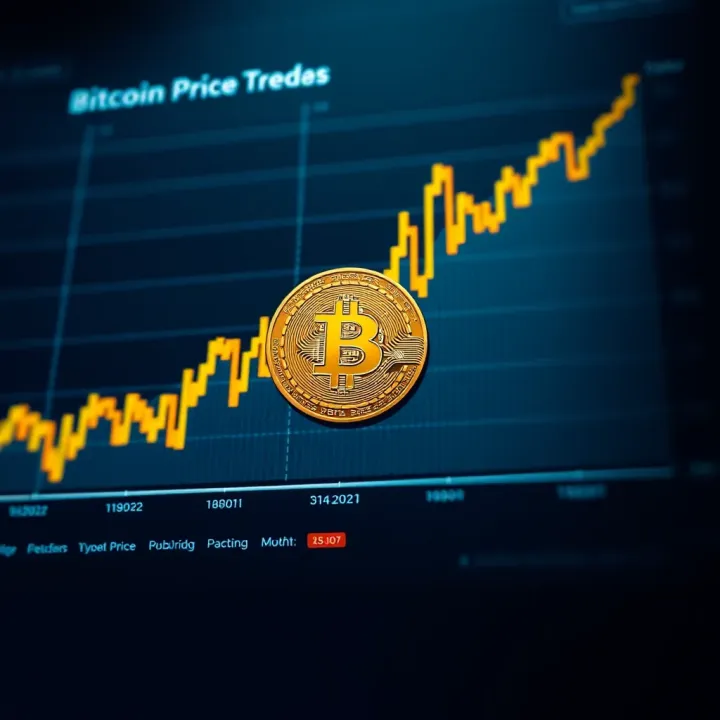
For Nigerian investors, the outlook is even more complex. The naira's fluctuations and CBN’s stance on cryptocurrencies create an environment where risk and opportunity sit closely together. Despite tight regulations, Nigerians remain among the leading users of crypto platforms like Binance and Luno, reflecting strong local demand driven by factors like inflation hedging and cross-border remittances.
Bitcoin’s price in Nigeria is often impacted by foreign exchange rates, government policy, and access to reliable internet, all factors that aren't always visible in global price trends.
Experts’ predictions vary widely. Some see Bitcoin reaching new highs within the next five years, driven by increased adoption and corporate interest. Others warn of possible sharp corrections triggered by regulatory clampdowns or technical challenges. A particularly practical consideration is the growing role of Nigerian fintechs integrating Bitcoin payments, which could influence liquidity and accessibility.
Investors should watch key indicators:
Regulatory announcements from the Central Bank of Nigeria and Securities and Exchange Commission on crypto frameworks.
Exchange rate movements between naira and the US dollar, which affect affordability.
Technology developments such as the adoption of Lightning Network for faster, cheaper transactions.
In summary, while Bitcoin presents significant prospects, Nigerian participants must weigh local realities alongside global trends. Staying informed and agile will help navigate a market that can change quite swiftly, especially during volatile periods like the ember months. This article will explore these themes in detail, offering actionable insights to guide your crypto journey.
Grasping Bitcoin and how its market behaves is essential for anyone looking to invest or trade in this cryptocurrency. Bitcoin's price and adoption aren't dictated by usual market forces alone, but a mix of unique factors that can influence its value sharply. For investors, understanding these can help navigate its volatility and make informed decisions.
Bitcoin, unlike traditional currencies, operates on a decentralised network using blockchain technology. This means transactions are validated without a central authority, offering transparency and security. For example, each Bitcoin transfer is recorded publicly on the blockchain, preventing double spending and fraud — features that appeal especially in regions with unstable currencies.
Bitcoin is a digital currency created in 2009, designed to work without banks or governments. It moves using blockchain, a shared ledger maintained by miners who solve complex mathematical problems to validate transactions. These miners get rewarded with new Bitcoins, a process called mining.
The total number of Bitcoins is capped at 21 million, making it scarce and potentially valuable. Unlike cash you can touch, Bitcoin lives entirely online, accessible through digital wallets. This decentralisation offers freedom but also brings challenges like price swings and regulatory uncertainty.
Bitcoin’s fixed supply of 21 million limits how many units can ever exist, unlike fiat currencies that can be printed at will. This capped supply is a big driver of its price because demand fluctuations have direct impact. For instance, if more people in Nigeria start buying Bitcoin for investment or remittances while supply remains limited, the price tends to rise.
Additionally, Bitcoin’s issuance rate halves roughly every four years through events called "halvings," reducing new supply. The last halving in May 2020 slowed new Bitcoin creation from 12.5 to 6.25 per block. This scarcity often leads to price jumps as market anticipates limited availability.
Prices also react strongly to traders’ feelings, rumours or news. Positive reports, such as major companies adopting Bitcoin payment, spark buying sprees, while negative ones, like exchange hacks or bans, cause sell-offs. For example, announcements by Tesla or El Salvador embracing Bitcoin have historically caused price surges.
Bitcoin’s speculative nature means many buyers expect quick gains, leading to volatile swings. This effect is more pronounced during ember months when traders in Nigeria may tighten risk appetite due to holiday spending and economic pressure.
Laws and government policies significantly affect Bitcoin’s value. A friendly regulatory stance encourages adoption and investment, raising demand. Conversely, crackdowns or bans cause market dips.
Take Nigeria’s Central Bank directive in 2021 that restricted banks from facilitating cryptocurrency transactions. This move led to a short-term price drop and pushed many to peer-to-peer trading. Meanwhile, countries developing clear crypto rules, like the US SEC or EU regulations, offer a stabilising effect.
Understanding these key market dynamics prepares you to spot opportunities and avoid pitfalls, an advantage for traders and investors working in Nigeria’s evolving crypto scene.
This foundation sets the stage for more detailed discussions about Bitcoin's current outlook and future predictions.
Understanding current trends is vital for anyone tracking Bitcoin’s price in the near future. These trends reflect how external economic factors and technical advancements shape Bitcoin’s demand and valuation. For traders and investors, spotting these signals early can inform decisions on entry, exit, or portfolio adjustments. Nigeria’s market players, in particular, benefit from this perspective amid local currency volatility and regulatory developments.
Inflation, especially when high and persistent, erodes the purchasing power of fiat currencies globally. Bitcoin often gets attention as a hedge against inflation, similar to gold. When central banks like the US Federal Reserve raise interest rates to tame inflation, it usually tightens liquidity in financial markets. This reduces investors’ appetite for riskier assets, including Bitcoin, leading to short-term price dips. For example, the Fed’s aggressive rate hikes in 2022 saw Bitcoin fall from a peak near $68,000 to below $20,000 within months.
In Nigeria, where inflation hovers above double digits and the naira weakens, interest rate policies by the Central Bank of Nigeria (CBN) indirectly influence Bitcoin trading volumes. Higher interest rates can encourage investors to lock funds in fixed income rather than cryptocurrencies, affecting short-term demand.
Geopolitical tensions — such as disputes between major economies or conflicts in strategic regions — create uncertainty across global markets. This uncertainty pushes investors towards safe havens or causes rapid asset reallocation. Bitcoin’s status as ‘digital gold’ means it sometimes benefits from this flight to safety, but at other times it suffers due to sell-offs triggered by general risk aversion.
For instance, the Russia-Ukraine conflict prompted spikes in Bitcoin trading volumes and price swings. While some investors moved funds into Bitcoin to shield against sanctions and currency fluctuations, others liquidated holdings to cover losses elsewhere. Nigerian investors, who track global events closely, must note how such volatility impacts Bitcoin’s liquidity and price stability locally.
Bitcoin’s network upgrades influence its functionality and user trust, which in turn affect price dynamics. Recent advances like the adoption of the Taproot upgrade have enhanced transaction privacy, reduced fees, and enabled more complex smart contracts. Such improvements boost Bitcoin’s appeal as a store of value and utility asset.
Moreover, innovations in the Lightning Network allow faster, cheaper Bitcoin transactions, making daily use more practical — a factor that could accelerate adoption in regions with limited banking infrastructure, like parts of Nigeria.
Staying informed about these technological changes is crucial for investors and traders. Network improvements can signal long-term growth potential, while delays or unresolved technical issues may increase risk perception.
Tracking global economic shifts and technological progress equips you to better anticipate Bitcoin’s near-term movements. Nigeria’s investors benefit by aligning this knowledge with local market conditions for smarter, timely decisions.
Expert predictions provide essential insight into Bitcoin's likely future price movements, helping investors and traders make informed decisions. Unlike wild speculation, these forecasts often combine technical analysis, market trends, and global economic factors to sketch plausible scenarios for Bitcoin's trajectory. For Nigerian investors facing local market volatility and regulatory shifts, understanding these expert views offers a clearer picture of risk and potential reward.
Some analysts remain optimistic about Bitcoin's growth, expecting it to surpass previous highs. They argue that as Bitcoin becomes more integrated into mainstream financial systems, demand will rise. For instance, institutional investors like hedge funds increasingly allocate funds to Bitcoin, pushing prices upward. Technologies like the Taproot upgrade also improve the blockchain's efficiency and privacy, adding to Bitcoin's appeal. This bullish outlook suggests potential for Bitcoin to reach beyond ₦50 million per coin within a few years, provided global adoption and favourable regulations continue.
On the flip side, several experts warn of corrections stemming from regulatory clampdowns, energy consumption concerns, or market bubbles. For example, sudden policy changes by governments, such as Nigeria's Central Bank warnings against cryptocurrency use, unsettle markets and could drive prices down. Additionally, Bitcoin's notorious volatility means sharp sell-offs can follow spikes, exposing investors to losses. Environmental scrutiny over energy-intensive mining also pressures Bitcoin's reputation, possibly reducing institutional interest. These factors suggest periods where Bitcoin prices might drop by 30% or more before stabilising.
A moderate stance combines both views, acknowledging Bitcoin’s long-term growth while recognising its risks. Experts in this camp recommend that investors diversify exposure, avoid overcommitting, and stay updated on regulatory changes. In practical terms, it means Nigerian investors should consider allocating a small portion of their portfolios to Bitcoin, treating it as a high-risk, high-reward asset. Keeping wealth safe through secure wallets and choosing reputable local exchanges also fall under best practices amid this balanced approach.
Expert forecasts, whether bullish or bearish, serve as a compass—not a guarantee. Nigerian investors will find value in weighing multiple scenarios to navigate Bitcoin’s unpredictable market wisely.
Bitcoin’s promise as a digital asset faces several hurdles that impact its wider adoption and price stability. Understanding these risks is essential for investors and traders to make informed decisions. Uncertainty and challenges in regulation, security issues, and competition from emerging technologies can all influence Bitcoin’s trajectory.
Governments worldwide are still figuring out how to regulate Bitcoin. In Nigeria, the Central Bank of Nigeria (CBN) has taken a cautious stance, banning banks from facilitating cryptocurrency transactions. This legal ambiguity creates a tricky environment for investors. Regulatory crackdowns in other countries, like China’s repeated bans on mining and trading, have caused sharp price swings. Without clear laws, investors face risks such as frozen accounts, legal penalties, or sudden restrictions. It also limits how businesses accept Bitcoin, which slows adoption.
Bitcoin’s largely unregulated market is prone to manipulation by large holders known as "whales." These actors can influence prices by dumping or buying significant amounts. Pump-and-dump schemes have been documented, where coordinated groups artificially inflate prices before selling off, leaving retail investors with losses. Besides, security remains a critical issue. Hacks on exchanges like Mt. Gox and recent incidents involving Nigerian crypto platforms highlight vulnerabilities. Investors must be cautious, using secure wallets and reputable exchanges to reduce the chance of loss.
Bitcoin enjoys the title of the original cryptocurrency, but it no longer has the sole spotlight. Altcoins like Ethereum, Binance Coin, and new entrants focusing on smart contracts, DeFi (decentralised finance), or faster transaction speeds pose competition. Technologies such as central bank digital currencies (CBDCs) backed by governments could also lessen Bitcoin’s appeal as a store of value. For instance, Nigeria’s eNaira initiative aims to digitise currency formally, offering a government-supported alternative. Investors need to watch how these developments affect Bitcoin’s market share and long-term value.
Risks like unclear regulations and security threats are not mere theoretical concerns. They have practical impacts on Bitcoin’s adoption and price, especially for Nigerian investors navigating local policies and market realities.
Taking these factors into account helps traders and investors avoid pitfalls while positioning themselves to benefit when Bitcoin’s outlook improves.
Investing in Bitcoin in Nigeria requires a clear understanding of local realities that shape how you buy, sell, and hold this cryptocurrency. Price swings are global, but Nigerian investors must carefully consider regulatory policies, access limitations, and market risks unique to the country. Being aware of these factors helps you make smarter decisions and avoid common pitfalls.
The Central Bank of Nigeria (CBN) has taken a cautious stance on cryptocurrencies. Since the 2021 directive discouraging financial institutions from facilitating crypto transactions, access to direct banking services for crypto traders has narrowed significantly. Though the CBN has not outright banned cryptocurrency ownership, this policy means you cannot easily fund your crypto wallets or exchange Bitcoin to naira through traditional banks.
This impacts liquidity and convenience. For example, if you wish to cash out your Bitcoin gains, you may face challenges moving funds between your crypto wallet and Nigerian banks. Understanding this regulatory environment is crucial because non-compliance or using unofficial channels can expose you to legal complications or fraud.
Despite banking restrictions, Nigerian investors still access Bitcoin via peer-to-peer (P2P) platforms and local crypto exchanges like Luno or Bundle. These platforms connect buyers and sellers directly, often settled with mobile money or bank transfers outside typical crypto banking rules.
However, not all exchanges are created equal. It's vital to vet the reputation and security of platforms before using them. Also, transaction fees and exchange rates can vary widely. For instance, P2P transactions may incur higher costs but provide flexibility that official bank avenues do not. Knowing how to navigate these platforms safely will protect your funds and give you better control over your buying or selling processes.
Bitcoin is volatile everywhere, but in Nigeria, where the Naira fluctuates against the dollar, currency risk adds a layer of complexity. Expect sharp price swings not just from crypto market forces but also from naira depreciation. It's wise to invest amounts you can afford to lose and avoid chasing unrealistic gains.
Remember, crypto markets can be affected by sudden regulatory news, network issues, or scams. Set clear goals—whether long-term holding or short-term trading—and stick to your plan. For example, don't let FOMO (fear of missing out) push you into hurried decisions during hype cycles, especially around ember months when trading volumes spike.
Security cannot be overstated in Nigeria's crypto scene, where scams and hacks have become common. Use hardware wallets or reputable mobile wallets with strong encryption. Enable two-factor authentication (2FA) on all your accounts.
Be cautious sharing your private keys or OTPs. Never disclose these details, not even to supposed platform support. Also, try to keep your crypto holdings diversified; avoid putting all your funds into a single exchange or wallet.
Lastly, keep informed about local scam tactics and updates from bodies like the Securities and Exchange Commission (SEC) Nigeria or the Economic and Financial Crimes Commission (EFCC). Educating yourself is the best defence against losing your investment unfairly.
Nigerian Bitcoin investors face a unique mix of regulatory hurdles and market risks, but with informed choices and security vigilance, they can position themselves wisely to reap potential benefits while protecting capital.
Make these considerations your starting point before stepping into the Bitcoin market in Nigeria. They will help you navigate this thrilling yet challenging landscape more confidently.
Explore how HFX trading differs from regular forex in Nigeria 🇳🇬. Learn tools, risks & strategies to trade forex smartly and manage ₦ effectively 💹.
📈 Discover how Nigerian investors can use copy trading to mirror experienced traders, explore top platforms, manage risks, and secure investments in Nigeria’s market.
Explore Uniswap price trends 📈 with in-depth analysis on technicals, market sentiment, and DeFi updates tailored for Nigerian crypto enthusiasts 🇳🇬.
Choosing the best Bitcoin wallet in Italy? 🇮🇹 Learn practical tips on wallet types, security, and advice tailored for reliable and safe bitcoin management in Italy. 🔒
Based on 10 reviews