

Understanding Volatility Index Trading
Explore volatility index trading 📈, learn key ⬆️ concepts, find out strategies & risks ⚠️ to make smart moves in Nigeria's financial market.
Edited By
Ethan Gallagher
Copy trading has steadily gained attention in Nigeria, especially among investors eager to engage with financial markets but lacking the time or expertise to trade actively. Simply put, copy trading allows you to automatically replicate the trades of seasoned investors, giving you a chance to benefit from their experience without needing to analyse markets every day.
For Nigerian investors, this method offers a practical path to participate in global and local financial markets. Instead of battling Lagos traffic to attend seminars or spending hours glued to screens, you can follow expert traders who have a proven track record through copy trading platforms. Many of these platforms accept Nigerian Naira deposits, making entry straightforward.
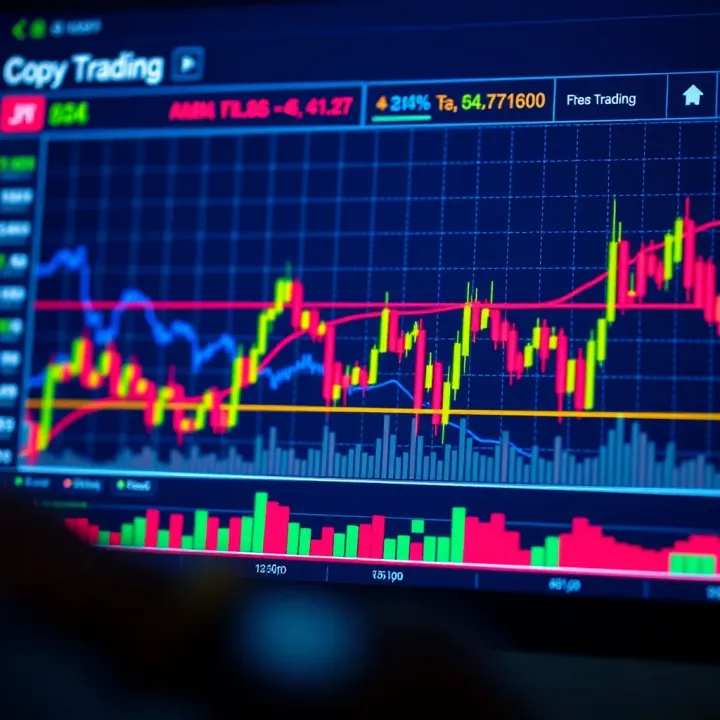
The underlying idea is that when a lead trader opens or closes a position, your account mirrors these trades in real-time, proportionate to your investment. So, if the trader buys one lot of forex or stocks, you get a similarly scaled position. This reduces the guesswork and can help diversify your portfolio efficiently.
That said, understanding how copy trading works is crucial before diving in. It’s not a magic solution; risks include following underperforming traders or sudden market swings. Research, platform reliability, and risk management strategies should guide your choices.
Copy trading isn’t about blind trust but informed replication. Choosing the right trader and platform can make a significant difference in results.
Some Nigerian-friendly platforms include eToro, ZuluTrade, and LocalBitcoins, each with different features and fees. These offer tools for monitoring performance, reviewing trader histories, and setting risk limits.
To sum up, copy trading offers a chance for Nigerian investors to tap into experienced trader expertise, especially when market conditions shift unexpectedly. But like any investment, it needs careful handling, informed choices, and continuous learning. This guide will unpack all you need to know to start wisely and maximise your chances of success.
Copy trading has become a practical way for Nigerian investors to tap into the expertise of seasoned traders without needing deep market knowledge themselves. It works by letting you automatically replicate the trades of experienced professionals, providing a hands-off approach that suits those with limited time or skills. For many, this means participating in financial markets with less stress and potentially better returns than going solo.
Definition of copy trading: Copy trading simply means mirroring the trading activities of other investors, usually professionals or skilled traders, in real time. When the trader you follow opens or closes a position, the same action replicates automatically in your account proportional to your investment. For instance, if a trader buys shares of a popular tech company, your portfolio reflects the same move immediately.
Mechanics: Following professional traders in real time: The platform you use acts as an intermediary, linking your account to the professional trader’s decisions. This connection happens continuously, so your trades adjust as the expert changes their strategy. It’s somewhat like having a personal investment adviser watching the market for you, but the execution happens instantly and automatically. You can often adjust settings like how much capital to allocate and risk tolerance.
Types of assets involved: Copy trading isn’t limited to just one market. Nigerians can copy trade across various assets like stocks listed on international exchanges, cryptocurrencies, forex pairs, commodities such as gold or oil, and even indices. For example, you might copy a trader who specialises in forex, while another focuses on tech stocks from the US or Europe. This diversity allows investors to spread risk and participate in multiple markets through one platform.
Typical user profiles: beginners and busy investors: Many newcomers to investing in Nigeria find copy trading appealing because it removes the heavy burden of market analysis and timing. Busy professionals or entrepreneurs may also prefer copy trading since it demands less time commitment. Instead of staying glued to the screen tracking every market move, they rely on the expertise of established traders while attending to their daily work.
Advantages over self-directed trading: Copy trading offers significant advantages compared to trading on your own. It reduces the learning curve by letting you learn from the actions of skilled traders. There’s less emotional stress because the decision-making shifts away from you. Plus, it provides easier market exposure without needing a vast understanding of individual asset behaviour and technical analysis, which can be complex and time-consuming.
Key motivations to copy trade: Investors turn to copy trading mainly to save time, access professional insights, and build a diversified portfolio quickly. Some hope to generate passive income by leveraging traders who have proven track records. Others use it as a stepping stone, gaining exposure and understanding of market workings before eventually trading independently. Essentially, copy trading bridges the gap between everyday Nigerians and global financial markets with practical ease.
Copy trading puts powerful investment tools into the hands of ordinary investors, helping many step into global markets without years of study or constant monitoring.
—
This section provides a foundation for understanding how copy trading works and why it’s growing popular among Nigerian investors. It sets the stage for exploring platforms, risks, and practical steps ahead.
Copy trading offers practical opportunities for Nigerian investors but also comes with specific challenges. This section lays out the tangible benefits and potential pitfalls to consider, helping you weigh if copy trading fits your investment approach.
Copy trading breaks down barriers for many Nigerians who lack deep market knowledge or experience. For example, a Lagos-based office worker who doesn’t follow stock charts closely can still participate in forex or crypto trading by automatically replicating trades from seasoned professionals. This means you don’t need to spend hours understanding technical analysis or daily market news to get started.
Platforms often provide user-friendly interfaces where you select traders to follow based on performance metrics, reducing the learning curve significantly. This feature is especially useful in Nigeria, where access to quality financial education can be limited. As a result, more people can join investment opportunities they might not otherwise access.
Copy trading allows investors to generate returns without hands-on management, making it an appealing source of passive income. Suppose you follow a trader specialising in Nigerian equities or commodities; any profits they make can automatically reflect in your account. This approach suits people who want to invest but have full-time jobs or businesses demanding most of their attention.
While passive income from copy trading isn’t guaranteed, the model presents a practical way to put your capital to work even if you lack time or expertise. For many Nigerian investors, especially those with side hustles or multiple income sources, this can be a meaningful addition to their financial portfolio.
The time saved by relying on expert traders is significant. Detailed market analysis involves tracking diverse assets, global economic indicators, and geopolitical developments, which can be overwhelming. Copy trading eliminates the need for you to constantly study market trends because you effectively outsource decision-making.
For example, a busy entrepreneur in Abuja who can’t monitor forex fluctuations during the working day can still benefit by mirroring a trader’s strategy. This time-efficiency is a crucial benefit in Nigeria’s fast-paced economy where every minute counts.
Like all investments, copy trading carries market risk. The chosen trader’s past success doesn’t guarantee future profits. Markets move unpredictably, influenced by factors like naira volatility, political events, or global shocks. For instance, a sudden naira depreciation could undermine gains from forex positions.

Thus, it’s vital to understand that copying a trader doesn’t eliminate risk—it simply shifts it. Nigerian investors should view copy trading as one piece of a broader diversification strategy.
Copy trading means entrusting your money to someone else’s decisions. You rely on how professional traders manage their portfolios, which could be influenced by factors you don’t fully understand—like risk tolerance or algorithm-driven trades.
For example, a trader might use high leverage to amplify profits, which also increases risk substantially. If that trader’s approach doesn’t suit your financial goals or risk appetite, your investment may suffer. Nigerian investors should therefore carefully assess a trader’s style and strategies before copying.
When you copy trade, you let another person dictate trades executed in your account, reducing your control. While some platforms allow setting limits, you cannot intervene in each trade.
This lack of direct control might be uncomfortable for investors used to managing every decision. Additionally, sudden changes in the trader’s strategy might not align with your preferences or needs, especially during volatile periods in the Nigerian market.
Copy trading is a useful tool, but Nigerian investors must understand both its ease of access and inherent risks. Balancing these factors helps decide if copy trading matches their investment style and goals.
Nigeria’s growing interest in investing has made understanding available copy trading platforms vital. Whether you prefer global platforms with proven track records or local fintech providers emerging in the ecosystem, choosing the right platform shapes your copy trading success. These platforms connect you to skilled traders, offering diverse asset options and security measures suited for Nigerian investors.
Global copy trading platforms like eToro, ZuluTrade, and Covesting serve Nigerians by providing established ecosystems where you can mirror experienced traders across currencies, stocks, cryptocurrencies, and commodities. eToro remains popular thanks to its user-friendly interface and large community of traders, while ZuluTrade offers sophisticated strategy analysis tools. Covesting, found on platforms like PrimeXBT, brings social trading within a crypto-heavy environment.
Registering on these platforms as a Nigerian usually involves a straightforward process. You'll need to submit documents for identity verification such as a valid government-issued ID and proof of address, complying with international Know Your Customer (KYC) rules. This process secures your account and helps prevent fraud. While some platforms accept Nigerian phone numbers, it’s important to verify communication channels are fully accessible from Nigeria to avoid any delays.
Nigerian investors benefit from a wide range of asset classes on these platforms. Beyond forex and traditional stocks, many offer commodities such as gold and oil, as well as cryptocurrencies like Bitcoin and Ethereum. This variety allows investors to diversify their portfolios while copying traders specialized in different markets, reducing reliance on a single market or asset type.
Local fintech companies are increasingly integrating copy trading features to cater directly to Nigerian investors’ needs. Platforms like Chaka and Cowrywise are venturing into social or copy trading by combining investment management with social interaction, allowing users to follow top investors within a Nigerian financial context.
Using Nigerian platforms carries clear advantages: local customer support tailored to Nigerian market peculiarities, adherence to Nigerian financial regulations, and smoother naira-based payments. These providers sometimes offer lower fees due to reduced forex costs and better integration with Nigerian payment systems.
Payment and currency considerations remain crucial. While global platforms often require funding in US dollars or euros, local platforms accept naira, avoiding unnecessary exchange rate losses. Nigerians must also consider withdrawal methods and possible delays linked to currency conversion or Central Bank of Nigeria (CBN) policies on foreign exchange controls to manage costs effectively.
When selecting a copy trading platform, evaluate not only the traders available but also how the platform aligns with your currency preferences, regulatory environment, and ease of access to avoid unwelcome surprises.
This clear understanding helps Nigerian investors make informed choices for safer, more profitable copy trading experiences.
Getting started with copy trading requires careful planning and understanding of your own financial standing. This section guides you through practical steps to start copy trading confidently, focusing on setting clear goals, choosing reliable traders, and managing your account effectively. For Nigerian investors navigating a diverse and sometimes volatile market, these steps promote a disciplined approach that safeguards capital and improves chances of success.
Understanding your tolerance for risk is fundamental before you copy trade. Some investors are comfortable with high-risk trades that might offer big gains but come with bigger chances of loss. Others prefer a cautious approach, aiming to preserve capital with smaller, steadier returns. For instance, a young professional saving for a home down payment in five years may opt for moderate risk, while a retiree might seek very low risk to protect existing savings.
Assessing risk tolerance helps you select traders whose strategies match your comfort level. Many platforms provide risk ratings for traders, but you must consider your own financial situation and emotional readiness to handle losses without panic.
Copy trading is not a magic wand for quick wealth. Nigerian investors should set practical return targets based on the typical market performance and the trading style of chosen experts. For example, expecting 20% returns monthly is usually unrealistic.
A sound approach is to benchmark against traditional investment options like fixed deposits or government bonds but be ready to accept fluctuations. Realistic expectations prevent rash decisions, such as suddenly withdrawing funds after a short-term loss.
How long you plan to stay invested affects your copy trading strategy. If you need quick access to funds, high-volatility trading could backfire. Conversely, long-term investors can afford to follow traders with more aggressive strategies aiming for higher growth over time.
Moreover, decide on how much capital you want to allocate. Avoid putting all your savings into copy trading. A wise Nigerian investor might allocate ₦200,000 to ₦500,000 initially and increase gradually based on performance and comfort.
Looking at a trader's track record is vital. Pay attention to consistent profits over months or years, not just spectacular one-off wins. Check metrics like win ratio, average gains, and maximum drawdown.
For example, if a trader shows a 70% win rate but experiences huge drawdowns that nearly wiped accounts, it signals high risk. A trader with steady, moderate gains and controlled losses fits better for most investors.
Beyond numbers, check the trader's reputation on the platform. Read community feedback and watch for red flags like sudden unexplained losses or withdrawal issues.
Consistency indicates discipline. Some traders may perform well only in bullish markets but struggle when conditions change. Choose those who adapt and maintain steady results.
Just like you wouldn’t put all your money in one stock, diversify by following several traders with different styles and asset focuses. This spreads your risk and reduces the impact if one trader underperforms.
For instance, combine a conservative forex trader with an equity-focused trader who is growth-oriented. This mix balances volatility.
Start by funding your account through trusted channels supported by the trading platform. Nigerians must consider exchange rates and any transfer fees, especially when using international platforms requiring dollars.
Always avoid third-party fund transfers or sharing sensitive banking details. Platforms like Paystack or Flutterwave integrated services often improve convenience and security for Nigerian users.
Tailor your copy trading by setting limits on the amount allocated per trader and stop-loss thresholds to protect your capital. These settings prevent large unexpected losses and help automate risk management.
For example, you might set a daily loss limit beyond which copying automatically pauses, allowing you to review the situation.
Copy trading isn’t a set-and-forget activity. Regularly reviewing trader performance, rebalancing your portfolio, and adjusting capital allocation are crucial.
A Nigerian investor might monthly analyse results and decide whether to drop underperforming traders or increase investment in consistent ones. Staying involved helps you react to market changes and avoid surprises.
Beginning with clear goals, careful trader selection, and vigilant account management turns copy trading from gamble to informed investment. These practical steps are your toolkit for success in Nigeria’s dynamic markets.
Navigating the regulatory and security landscape is key for Nigerian investors stepping into copy trading. Understanding how local laws and financial rules apply helps you avoid pitfalls, protect your funds, and ensure compliance while participating in this relatively new form of investing.
The Securities and Exchange Commission (SEC) Nigeria plays a central role in regulating investment activities, including those involving copy trading when it touches on securities. SEC oversees licensing and regulation of capital market operators to protect investors from unfair practices. For example, if a platform offers copy trading services related to Nigerian stocks or bonds, it falls under SEC supervision. This means Nigerian copy traders should confirm that the platform and the traders they copy comply with SEC’s guidelines to avoid running into legal or financial trouble.
The Central Bank of Nigeria (CBN) has a broad influence on financial services, especially regarding payments, currency use, and banking operations. Nigerians using copy trading platforms must ensure any funding or withdrawals comply with CBN policies, notably regarding foreign currency transactions and money laundering prevention. For instance, regulations on how naira is converted into dollars or other currencies for international platforms must be respected to avoid penalties or delays in fund transfers.
Nigeria's foreign exchange market operates under certain controls that affect capital movement across borders. Investors involved in copy trading with overseas brokers or platforms will encounter limits on how much money can be moved at once or over periods, influenced by CBN’s forex policies. This can impact your ability to fund accounts promptly or repatriate profits without clearance. Being aware of these restrictions and factoring them into your trading plan avoids surprises such as blocked funds or delays in accessing returns.
You must verify the legitimacy of any copy trading platform before committing funds. Check if the platform is registered with Nigerian authorities like SEC or licensed abroad with recognised regulatory bodies. Platforms with a proven track record and transparent operations reduce risks of fraud. For example, global platforms accessible to Nigerians such as eToro or ZuluTrade have verifiable credentials, while lesser-known websites without clear registration should raise red flags.
Scammers often lure investors with promises of guaranteed returns or insider trading secrets. Common tactics include fake testimonials, cloned websites, and unsolicited messages pushing immediate investment. Some fraudsters impersonate popular traders to lure followers. For Nigerian investors, being cautious is critical, especially during ember months when trading activity and scams typically spike.
Protecting your investments involves practical steps: always use strong, unique passwords, enable two-factor authentication, and regularly monitor your trading accounts. Avoid sharing personal information or login credentials. Be wary of platforms requesting upfront large fees or that pressure quick decisions. Diversifying the traders you follow and not committing all capital to one strategy further safeguards your funds.
Security and regulatory awareness are not just boxes to tick but shields that defend your hard-earned money in the fast-moving world of copy trading. Taking these considerations seriously makes the difference between steady growth and costly loss.
Explore volatility index trading 📈, learn key ⬆️ concepts, find out strategies & risks ⚠️ to make smart moves in Nigeria's financial market.

📈 Learn how Nigerian investors can use copy trading to mirror expert moves, manage risks, and boost potential gains hands-free. Start smarter investing today!
Learn how Deriv works in online trading, its benefits, risks, safety tips, and how Nigerians can use it smartly 📈💡💰

Explore trading on Deriv.com with tailored tips for Nigerian users 🇳🇬. Learn about account setups, markets, payment methods, and safety protocols 📊💼💳.
Based on 14 reviews