

Understanding Copytrading for Nigerian Investors
📈 Discover how Nigerian investors can benefit from copytrading by automatically following top traders. Learn the pros, cons, and simple steps to start wisely.
Edited By
Oliver Bennett
In Nigeria’s trading space, boom and crash brokers have gained notable interest, especially among traders looking to profit from market volatility. These brokers offer access to unique indices known as "boom and crash," which behave differently from traditional assets like forex or stocks. Unlike standard markets, boom and crash indices experience sudden price spikes (boom) or sharp drops (crash), creating fast-paced trading opportunities.
Understanding how these brokers operate is key for Nigerian traders who want to engage confidently and avoid common pitfalls. Boom and crash brokers typically use underlying synthetic markets created by the broker itself or third-party providers. This means the prices do not always reflect real-world assets but mimic volatility patterns, focusing on quick price jumps or declines.

Traders should note that these indices are usually available 24/7, unlike typical stock markets, offering greater flexibility. However, this also means the risk profile is different — price movements can be abrupt, and losses can mount quickly without proper strategy or risk management.
Choosing a boom and crash broker requires keen attention to regulatory status, user reviews, and trading conditions. Trustworthy brokers provide transparent platforms with clear customer support and reasonable spreads.
For Nigerians, it’s important to consider brokers that support local payment options such as bank transfers through GTBank, Access Bank, or platforms like Paystack and Flutterwave. Moreover, understanding the broker’s rules on leverage usage and withdrawal processes reduces surprises down the line.
Key factors that affect trading on boom and crash platforms include market timing, volatility measures, and the trader’s ability to set stop-loss orders effectively. Without these, even experienced traders can face swift capital erosion.
Before committing funds, new traders should leverage demo accounts to simulate real trading without risking naira, testing strategies and getting familiar with platform tools.
In summary, boom and crash brokers present an intriguing, albeit high-risk, avenue for Nigerian traders seeking short-term gains in volatile conditions. Combining practical knowledge with caution can tip the scales towards profitable engagement.
Understanding what boom and crash brokers are is fundamental for Nigerian traders who want to explore these niche financial products. These brokers specialise in offering access to boom and crash indices, which are synthetic stock market instruments designed to mimic rapid market movements. Unlike traditional stocks or forex pairs, boom and crash indices focus on sudden spikes or drops in price, offering traders the chance to capitalise on volatility within short timeframes.
Boom and crash indices are unique contracts that represent simulated market data rather than actual commodities or equities. For example, a "boom" index typically rises sharply at unpredictable intervals, while a "crash" index experiences sudden drops. This structure provides traders with opportunities for quick profits if they anticipate these moves correctly.
Unlike forex or stock markets regulated by exchanges like the NSE (Nigerian Stock Exchange), boom and crash indices exist primarily as digital assets within broker platforms. These brokers generate price movements internally through algorithms designed to replicate real market volatility, although the underlying assets do not trade on public exchanges.
Traditional forex and stock brokers provide access to real markets where prices reflect actual supply and demand. Prices are influenced by global economic news, company earnings, and geopolitical events, making them generally more predictable over the long term. Boom and crash brokers, on the other hand, offer synthetic indices that simulate price action but do not involve ownership of real assets.
For Nigerian traders, this distinction matters because boom and crash trading depends heavily on the broker's platform and pricing model. Unlike forex trading with major currency pairs such as USD/NGN, which has transparent market depth, boom and crash trades require trust in the broker's integrity and technology.
Many online trading platforms popular in Nigeria, such as those offered by RaceOption and Pocket Option, include boom and crash indices as part of their product suite. These brokers usually provide a simplified interface where traders can open buy (long) or sell (short) positions based on expected spikes or falls.
The appeal is in the quick turnaround; trading sessions are continuous, and traders can execute multiple trades within minutes. Brokers often use leverage and tight spreads to make these trades attractive but also carry higher risk.
Boom and crash trading has grown in Nigeria largely because of its potential for fast profits. Many traders, especially novice ones, are drawn to the sharp price movements that can deliver gains in minutes rather than hours or days. The high volatility means even a small capital outlay can lead to significant returns.
This is particularly appealing during ember months when many Nigerians have additional expenses and look for alternative ways to supplement income. However, the tempting quick returns come with equally high risks of losses.
The surge in smartphone use and improved internet connectivity across Nigeria has made accessing boom and crash brokers relatively straightforward. Platforms tailored for mobile devices allow traders to open and close positions anywhere—from Lagos traffic jams to rural areas with decent network coverage.
Traders can use apps with built-in charts, indicators, and fast execution, removing barriers previously posed by expensive desktop setups or slow internet. This convenience fuels the product's popularity.
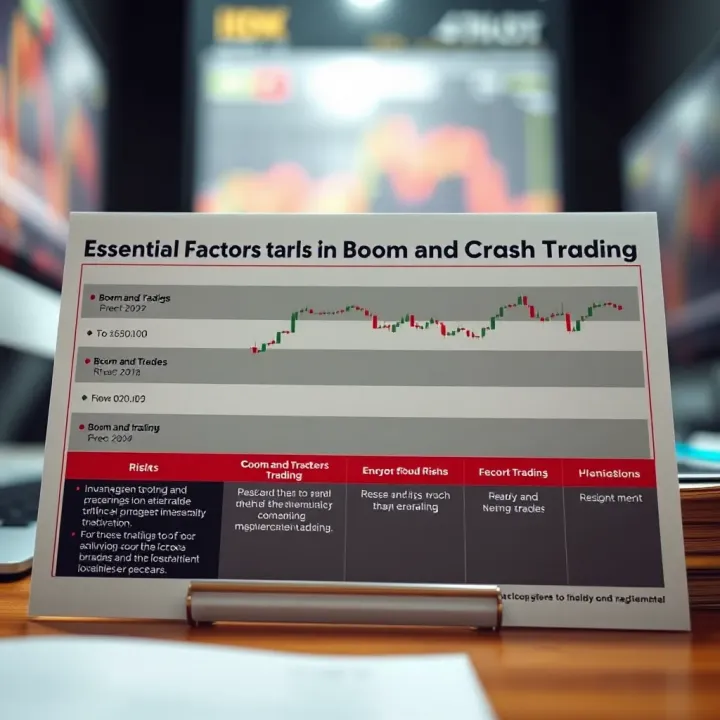
Some brokers known to serve Nigerian clients include RaceOption, Pocket Option, and Deriv. These platforms provide boom and crash indices alongside other assets, sometimes supporting local payment methods like Paystack or bank transfers through Nigerian banks.
Understanding which brokers are reliable and provide fair trading conditions is vital, as withdrawal problems and lack of transparency can be common challenges in this sector.
Nigerian traders should always verify the credibility of their chosen broker before engaging heavily in boom and crash trading due to the unique risks involved.
Understanding how boom and crash trading functions is vital for Nigerian traders looking to tap into its potential. This knowledge helps traders anticipate market moves, choose the right strategies, and manage risks effectively. Given the volatile nature of boom and crash indices, a firm grasp of price behaviour, trading sessions, and order types is essential for better decision-making.
Boom and crash indices are defined by their distinctive price behaviours. Boom refers to rapid upward spikes in price, often sharp and short-lived, while crash entails sudden steep price drops. These movements create opportunities for traders to profit from both bullish (rising prices) and bearish (falling prices) trends by positioning themselves correctly within these fluctuations.
Take for example a boom spike: the price may jump 10 points within seconds and then stabilise. A trader who anticipates this spike correctly can enter a buy position right before the surge. Conversely, the crash index offers quick profits from falling prices, useful in uncertain markets.
Timing also matters. Boom and crash markets do not run non-stop like forex or stocks. Trading sessions are typically continuous but can have periods of lower volatility during off-hours. Nigerian traders often find better activity during the London and New York session overlaps, coinciding with higher liquidity and pronounced price movements.
Technical indicators help with timing and decision-making. Common tools include Moving Averages to spot trends, the Relative Strength Index (RSI) for identifying overbought or oversold conditions, and Bollinger Bands for volatility insight. These indicators provide traders practical means to judge when a boom or crash is likely to happen, aiding entry and exit points.
Boom and crash brokers commonly offer order types such as market orders, limit orders, and stop orders. Market orders execute immediately at current prices, useful in fast-moving markets. Limit orders wait for a specific price level before opening or closing a position, allowing for more precise control.
For strategies, a basic bullish approach involves buying during a dip in the boom index, aiming to catch the next spike. Conversely, a bearish strategy on the crash index involves short selling during mild recoveries before the next drop. Combining these with technical indicators can enhance results.
Managing risk on these volatile indices is especially important. Traders use tools like stop-loss orders to automatically close losing trades, limiting exposure. Some brokers offer negative balance protection, preventing losses beyond deposited capital. Position sizing and setting maximum daily loss limits are effective ways Nigerians protect their investment capital.
Knowing the characteristics of boom and crash price patterns and mastering order types gives Nigerian traders practical edge, especially when combined with solid risk management. This balance reduces the guesswork in a market that can swing sharply within minutes.
By focusing on price actions, session timing, and using appropriate orders and strategies, traders can better navigate the unique challenges of boom and crash trading. This practical knowledge is essential before risking real funds in these dynamic markets.
Trading through boom and crash brokers holds potential for quick gains, but the risks involved are just as real and sometimes more severe. Nigerian traders should understand that the volatility behind boom and crash indices can wipe out capital quickly if not carefully managed. This section highlights key risks like market volatility and broker unscrupulousness that may significantly affect your trading outcomes.
Volatility in boom and crash indices means prices can spike or drop suddenly within seconds. While this volatility is attractive because of the profit opportunities it presents, it also means losses can happen just as fast. For instance, a trader expecting a boom spike might place a buy order, but the price suddenly plunges before the order executes fully, resulting in a sharp loss. Such volatile swings demand vigilant risk management and stop-loss orders tailored specifically for these rapid movements.
Beyond natural volatility, a more troubling issue is the potential for broker manipulation. Some boom and crash brokers operate under limited regulation and may influence price feeds to trigger client losses or prevent profitable exits. This manipulation often surfaces as suspicious price patterns that do not align with broader market behaviour. Nigerian traders have reported cases where sudden, unexplained crashes or booms occurred right around their trade entries or exits, suggesting artificial interference.
Spotting unfair price actions requires a careful eye. Watch for repetitive price spikes or drops that appear disconnected from any global market news or typical technical signals. Cross-checking price movements using external, regulated platforms can help identify discrepancies. If the broker’s price diverges significantly from major financial data providers, this could be a red flag. Keeping a log of unusual price actions and comparing it to public market data feeds assists in recognising potential price tampering.
Withdrawal problems are quite common, especially for Nigerian traders using less established boom and crash brokers. Delays in processing withdrawal requests or outright refusal to pay winnings occur more frequently with brokers lacking clear regulatory oversight. Some brokers impose hidden conditions or high minimum withdrawal thresholds, which trap traders’ funds. In a Nigerian context, this is particularly problematic as traders often rely on these funds for living expenses or reinvestment.
Unreliable brokers tend to show several clear warning signs. These include lack of verifiable licence details, poor or no customer support, promises of unusually high returns, and consistent negative reviews from other traders. If a broker frequently changes website domain names or contact details, it may be attempting to avoid regulatory scrutiny or escape complaints. Nigerian traders should be especially cautious about brokers that don’t provide transparent information about their ownership or regulatory status.
Reviews and testimonials from other Nigerian traders provide practical insight into a broker’s credibility. Genuine feedback can reveal patterns of withdrawal delays, unfair trading conditions, and customer service quality. Platforms such as online trading forums, social media groups, and specialised financial blogs offer valuable perspectives. Checking multiple independent sources reduces the risk of relying on biased or manipulated reviews. Overall, considering feedback serves as a vital checkpoint before committing funds with any boom and crash broker.
Trust and transparency are key when choosing your trading partner. Don’t overlook the value of investigating withdrawal policies and broker reputation — it can save you significant time and money in the long run.
By appreciating these risks and challenges, Nigerian traders can better navigate the complex environment of boom and crash trading and protect their capital accordingly.
Understanding the regulatory landscape is essential for Nigerian traders engaging with boom and crash brokers. Regulations protect traders from scams, enforce transparency, and ensure fair trading conditions. Since boom and crash trading involves derivatives and volatile price movements, knowing the rules helps you avoid legal troubles and unreliable brokers.
The Securities and Exchange Commission (SEC) of Nigeria regulates capital markets, including derivatives trading. While SEC oversight traditionally covers stocks and bonds, its role extends to foreign exchange and related derivatives offered by licensed brokers. Traders should check if a boom and crash broker is registered with SEC, as this offers some assurance of compliance with rules protecting investors' interests.
For example, the SEC has recently started monitoring and sanctioning unlicensed trading platforms to protect retail investors. This step is important as many new brokers target emerging markets like Nigeria. If your broker is SEC-registered, it means they adhere to guidelines on transparency, fund segregation, and dispute resolution.
The Central Bank of Nigeria (CBN) also impacts boom and crash trading, especially with its policies on forex usage. Since boom and crash products often involve currencies, CBN rules on forex transactions and repatriation of funds affect withdrawals and deposits. Traders should be aware of CBN limits, such as restrictions on accessing forex on official windows, which may influence the ease of funding accounts.
Additionally, CBN enforces measures against money laundering and requires banks to monitor forex flow rigorously. Using brokers compliant with CBN guidelines reduces risks of transactional delays or blocked payments.
Unregistered brokers pose significant legal risks. They may operate outside Nigerian law, leaving traders little legal recourse if funds go missing or prices seem manipulated. Engaging with unlicensed brokers can also expose you to regulatory penalties if caught sponsoring or using illegal platforms.
Before trading, verify your broker’s licences and certifications. SEC registration or licences from recognised international bodies like the International Financial Services Commission (IFSC) signify that a broker meets minimum standards. You can request these documents and cross-check with regulatory websites and online reviews.
Using reliable payment methods in Nigeria matters too. Opt for well-known banks or payment platforms like GTBank, Access Bank, or Quickteller, which have security protocols to protect your funds. Avoid brokers insisting on obscure or non-transparent payment systems. This helps you avoid scams and facilitates smoother deposit and withdrawal.
Protecting your personal and financial information is critical. Only share sensitive data through secure broker platforms, preferably with encrypted connections (look for HTTPS in website URL). Also, be cautious about phishing attempts or unsolicited messages asking for passwords or payment details. Keeping your BVN (Bank Verification Number) and NIN (National Identification Number) secure reduces chances of identity fraud.
Trading safely on boom and crash platforms means understanding the Nigerian regulatory landscape, verifying broker credentials, and using secure payment methods. These steps shield your investments from fraud and legal headaches.
By taking these precautions, Nigerian traders can navigate boom and crash trading more confidently and reduce exposure to the numerous risks in this fast-moving market.
Selecting the right boom and crash broker is vital for Nigerian traders to protect their investments and enhance trading success. Not all brokers serve the Nigerian market equally, and factors like platform stability, local payment options, and customer service quality can make or break your trading experience. This section highlights what you should focus on before committing your funds.
Platform reliability and user experience
A reliable trading platform ensures smooth order execution, minimal downtime, and accurate price charts. Nigerian traders often face challenges like inconsistent internet and power supply, so brokers that offer light, mobile-friendly platforms or apps tend to be preferable. For example, brokers whose platforms work well on 3G or 4G connections help keep your trades live even during network hiccups. A user-friendly interface with clear charting tools and easy navigation means you spend less time fighting the system and more time making informed decisions.
Customer support availability and quality
Good customer support is a must, especially for traders new to boom and crash products. Brokers offering 24/7 live chat or phone support with agents familiar with Nigerian trading conditions provide quick help when issues arise. Consider brokers that respond in English clearly and understand local payment restrictions or withdrawal processes. You don’t want to wait for days or non-responsive email replies if your account faces an urgent problem.
Trading conditions including spreads and leverage
Spreads and leverage significantly affect your profitability and risk. Tight spreads reduce costs, important in boom and crash trading where price moves can be very short-term. However, some brokers widen spreads during volatile sessions, so check reviews on their pricing behaviour. Nigerian traders should also be cautious with leverage; while high leverage might look attractive, it can rapidly drain your capital. Opt for brokers that offer flexible leverage settings and transparent terms that show how margin calls are handled.
Profiles of brokers widely used in Nigeria
Brokers like Deriv, IQ Option, and Olymp Trade dominate boom and crash trading in Nigeria due to localised services and payment support. These companies are known for their accessible platforms and regular community engagement, making them familiar names among traders from Lagos to Kano. Knowing the broker’s reputation in Nigeria helps you gauge how well they understand local market realities.
Deposit and withdrawal options for Nigerians
Ease of funding directly affects your trading agility. The best brokers accept local payment methods such as Quickteller, Paystack, or bank transfers from Nigerian banks like GTBank or Access Bank. Withdrawal processes should be swift and transparent, with clear timelines and minimal fees. Brokers that support Naira deposits avoid currency conversion losses for traders.
Community feedback and reputation
What other Nigerian traders say often reflects real broker behaviour beyond marketing claims. Forums, social media groups, and reviews provide insights into withdrawal reliability, platform issues, and customer service. For instance, a broker with consistent complaints about withdrawal delays or price manipulation should raise red flags. Engaging with the community before choosing a broker gives you practical perspective and helps avoid common pitfalls.
Choosing wisely isn’t just about features; it’s about safeguarding your funds and setting yourself up for long-term trading success in Nigeria’s unique market environment.
📈 Discover how Nigerian investors can benefit from copytrading by automatically following top traders. Learn the pros, cons, and simple steps to start wisely.
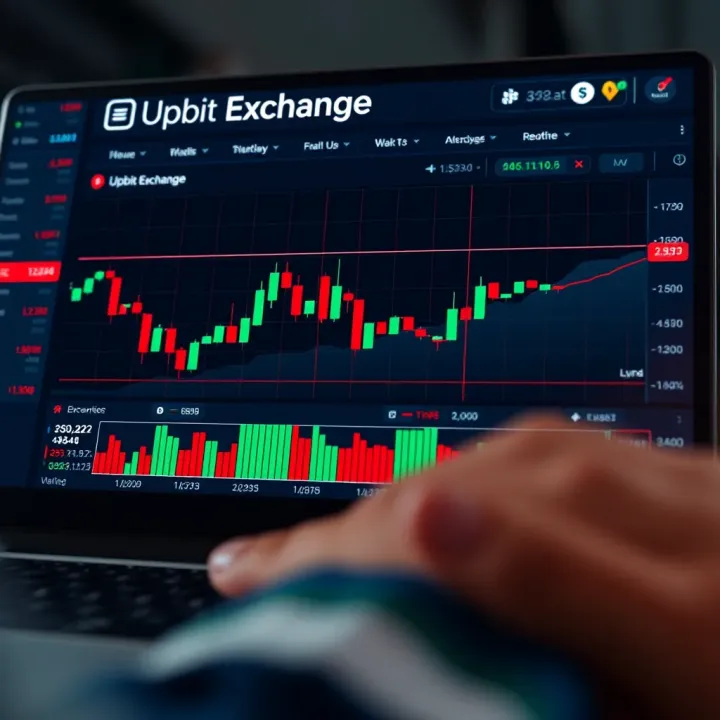
Explore Upbit Exchange 🌐 with in-depth insights on crypto options, fees, security 🔐, and its role in Nigeria's market 🇳🇬. Trade smarter today!
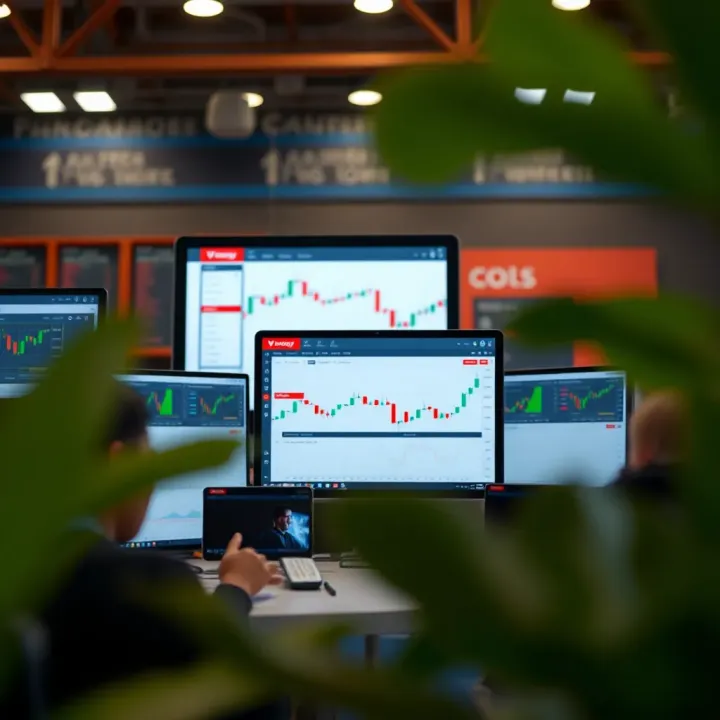
Explore Vantage Markets for Nigerian traders 🇳🇬. Learn about features 🛠️, platforms 💻, account types 📊 & regulations 📜 to trade wisely.
🔐 Discover how Nigerian users can smoothly log in to Ventezo, fix common login issues, and keep your account safe with expert tips and platform insights.
Based on 7 reviews