
Nigeria's Richest Forex Trader Revealed
Discover Nigeria's richest forex trader 💰 Learn their strategies, challenges, and impact on the market in this detailed guide to forex success 🇳🇬📊
Edited By
James Holloway
Choosing the right forex app is essential for Nigerians keen on entering the foreign exchange market. With naira volatility and regulatory uncertainties, trading forex here demands not just skill, but the right tools. A good forex app should not only offer user-friendly interfaces but also provide secure, reliable access tailored to Nigeria's unique economic environment.
Forex apps serve as your gateway to currency trading, allowing you to buy and sell currencies using your smartphone. Many platforms like IG Group, Exness, and AXI (formerly FXOpen) operate in Nigeria, each offering different features and fee structures. The choice of app can affect your trading costs, speed, and even your ability to withdraw profits without excessive delay.
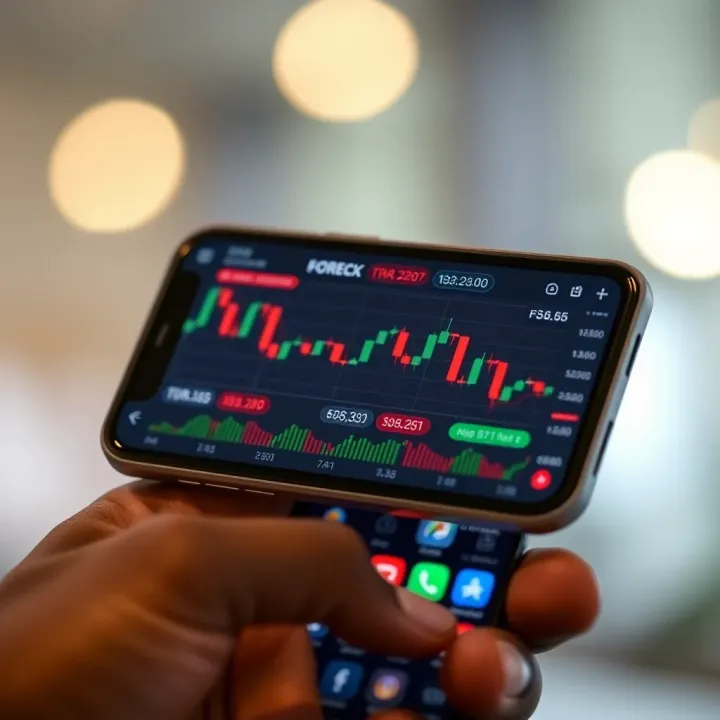
When picking a forex app, Nigerians need to focus on several key factors:
Regulatory compliance: Opt for apps authorised by Nigeria's Securities and Exchange Commission (SEC) or internationally recognised authorities like FCA or CySEC. This reduces chances of fraud and ensures your funds have some protection.
Payment options: Check if the app supports convenient deposit and withdrawal methods for Nigerians, such as USSD banking, bank transfers through Nigerian banks (GTBank, Zenith, Access Bank), or mobile money wallets like OPay or PalmPay.
Currency pairs and instruments: Aside from major currencies (USD, EUR, GBP), see if the app offers exposure to pairs sensitive to naira movements or commodities like crude oil, which matter to the Nigerian economy.
User experience: Many Nigerian traders operate on limited data bundles and slower internet connections. An app that is light on data, fast, and boasts clear charts will help avoid frustration.
Security features: Consider apps with two-factor authentication (2FA), encryption, and robust account recovery processes to safeguard against hacking and unauthorised access.
Selecting the right forex app in Nigeria is not just about flashy features; it's about choosing a trustworthy partner that understands the local challenges and offers practical solutions.
As you explore your options, compare popular platforms and test their demo accounts where possible. This hands-on trial can reveal if an app suits your trading style before committing real funds. Remember, your choice today influences both your trading success and how smoothly you navigate regulations, payment hurdles, and market volatility within Nigeria.
Forex trading has become increasingly accessible in Nigeria largely thanks to mobile applications. Understanding how these forex apps function is essential to navigating the market effectively. These apps serve as the traders’ window to live currency markets, allowing users to monitor rates, place orders, and manage their trading accounts from their smartphones or tablets.
In practical terms, a well-functioning forex app helps Nigerian traders respond quickly to market changes. For example, currency rates can fluctuate sharply within minutes due to economic announcements or global events. Without real-time updates, a trader might miss an opportunity or suffer losses due to delays.
Real-time currency rate updates are the backbone of any forex trading app. They provide ongoing, live information on currency pairs like USD/NGN or EUR/USD. This feature lets traders see the latest bid and ask prices without waiting for daily reports. Having this data stream instantly helps traders make decisions on when to buy or sell, often crucial in a market where rates shift every second.
Order placement and execution within these apps enable traders to enter or exit positions with a few taps. For instance, a trader using MetaTrader 4 can place a market order to buy dollars against naira. The app then communicates with the broker’s system to execute the trade immediately. Fast and reliable execution means the price a trader sees is usually the price they get, reducing slippage and potential losses.
Account management features provide control over deposits, withdrawals, platform settings, and trade history. Nigerians benefit when an app supports funding options like bank transfer, Quickteller, or even USSD payments. Managing your account easily on the go means you spend less time wrestling with paperwork or visiting bank branches and more time focusing on trading.
Accessibility from mobile devices is a game changer in Nigeria, where many rely on smartphones as their primary internet source. Forex apps allow users to trade from anywhere — whether boarding a danfo to work or sitting at a mama put during lunch. This mobility means you don’t have to be glued to a desktop or trading floor.
Flexibility for traders with limited time fits well with the Nigerian hustle culture. Many traders balance multiple jobs or businesses alongside trading. Forex apps let them monitor positions, set stop-loss orders, or close trades quickly without needing dedicated hours or full-time attention.
Lower transaction costs compared to traditional brokers is another boon. Traditional brokers often charge hefty fees and require face-to-face meetings, which can be a hassle in Lagos traffic or other Nigerian cities. Forex apps usually operate with tighter spreads and lower commissions, helping traders save money and boost potential profits.
To succeed with forex trading in Nigeria, choosing an app that offers real-time updates, reliable order execution, and easy account management is key. These features not only improve trading efficiency but also fit the practical needs of Nigerian traders juggling multiple demands.
In summary, forex apps play a vital role by simplifying access to currency markets, providing tools needed for timely decisions, and making trading feasible amid Nigeria’s dynamic lifestyle. Understanding these aspects lays the foundation for selecting the right platform to trade effectively and securely.
Choosing the right forex app goes beyond just downloading the first platform you see. For Nigerians getting into forex trading, focusing on key features helps ensure that you trade smoothly, safely, and profitably despite unique local challenges like unstable power supply or fluctuating internet quality. Here’s a breakdown of what really matters.
Ease of navigation is crucial, especially when you're monitoring multiple currency pairs or trying to react quickly to market changes. A cluttered screen or complicated menu can slow you down, which in forex trading may mean missed chances or losses. Good apps simplify tasks — placing orders, checking balances, switching timeframes — so you can focus on strategy, not figuring out the app.
Customisable charts and indicators allow traders to analyse currency movements the way they prefer. Nigerian traders, for instance, often rely on specific indicators like Moving Averages or RSI to track market momentum and spot entry points. Being able to tweak charts—changing colours, adding overlays, or saving your favourite configurations—makes analysis quicker and tailored to your style.
Language and local currency support directly affect how comfortable you feel using the app. For many Nigerians, seeing options in English with clear Naira (₦) pricing removes guesswork in calculations or conversions. Multi-language support is helpful if you prefer local dialects, but definitely an app must display prices and balances in NGN securely, factoring in naira’s real exchange rates to avoid surprises.
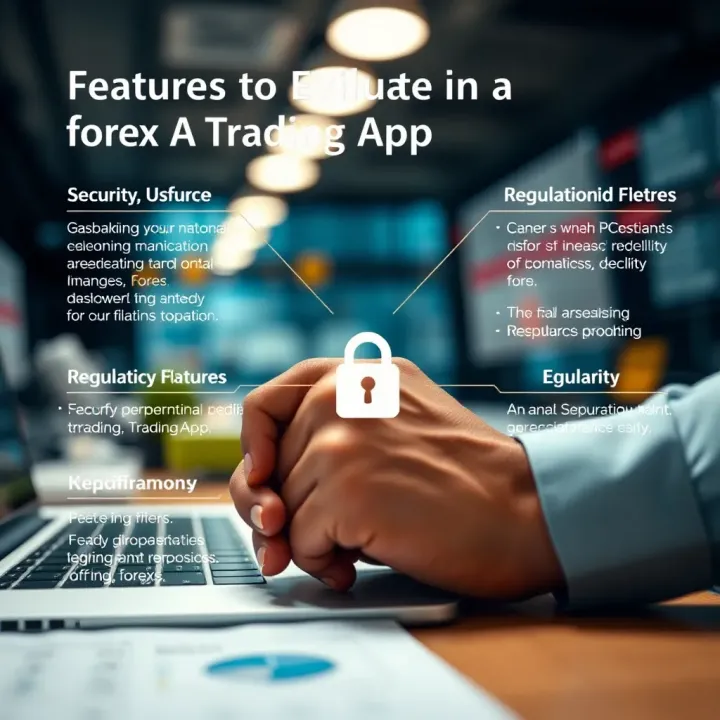
Encryption and data protection guard your sensitive details like login credentials and bank information from hackers. Since forex involves real money, an app must use up-to-date encryption protocols (think SSL/TLS) to prevent data leaks. For Nigerian users, this is non-negotiable given the rise of cyber threats and financial fraud.
Licensing by recognised authorities signals the platform’s trustworthiness. Look out for brokers authorised by bodies like the Financial Conduct Authority (FCA) or the Nigerian Securities and Exchange Commission (SEC). These licenses mean the broker must follow rules that protect your funds and ensure fair trading.
Withdrawal and deposit safeguards ensure your money moves safely in and out. Since Nigerian banks limit some cross-border transfers, an ideal forex app provides multiple payment options — bank transfers, e-wallets like OPay, or payment gateways such as Paystack — with transparent fees and clear processing times. Always check if the app has clear policies preventing withdrawal delays or sudden freezes on your funds.
Technical analysis tools like customisable indicators, drawing tools, and chart types help traders make informed decisions. Nigerians especially benefit from apps that offer features to spot local and global trends easily, helping in evaluating currencies influenced by factors like oil prices or CBN policies.
Economic calendars and news feeds keep you updated with events that shake forex markets, like CBN interest rate decisions or US Federal Reserve announcements. Having this information inside the app means you won’t need third-party sites, saving time and preventing missed opportunities due to delayed info.
Educational materials for beginners are often overlooked but vital. A high-quality forex app for Nigerians should offer video tutorials, articles, or quizzes to help new traders understand terms like pip, leverage, and stop-loss. This reduces the risk of costly mistakes and builds confidence to trade smarter.
Selecting an app that ticks these boxes helps you stay competitive and secure in Nigeria’s complex forex scene. It is not just about features on paper but how they fit your particular trading style and environment.
Choosing a forex app that fits the Nigerian market is vital for successful trading. Apps popular globally might offer solid features, but local compatibility—such as support for Naira transactions and tailored customer service—is a key factor. Understanding which forex apps provide these practical benefits can help traders navigate the unique challenges in Nigeria, including fluctuating exchange rates and limited access to international payment systems.
MetaTrader 4 and MetaTrader 5 are the most widely used forex trading platforms worldwide, and they also enjoy popularity among Nigerian traders. These platforms offer advanced charting tools, automated trading through Expert Advisors, and access to a wide range of currency pairs. Their reliability and support for multiple brokers make them practical choices. Nigerians benefit from MetaTrader’s flexible interface and the ability to implement custom indicators, which many local traders find crucial for technical analysis.
IG Markets is a reputable broker offering a user-friendly app with access to forex, indices, and commodities. It stands out for its educational resources and transparent fee structure, which help Nigerian traders understand costs upfront. IG Markets supports Nigerian customers with local payment methods, making deposits and withdrawals smoother despite currency restrictions. Its strong regulatory status improves trust for Nigerian users wary of unlicensed brokers.
eToro offers a social trading environment where Nigerians can copy strategies of experienced traders. This feature is quite helpful for beginners who want to learn or for those who prefer a more hands-off approach. eToro supports a variety of payment options, although Nigerians should check for availability of Naira funding or conversion fees. The platform’s intuitive app and community-driven approach make it attractive for traders in Nigeria aiming to blend learning and live trading.
Apps supporting Naira funding options simplify the process of converting naira into foreign currencies or USD for trading. These apps reduce dependence on third-party payment systems, which often add extra fees or take longer to process. Platforms such as Kuda or OPay partnered with forex brokers increasingly offer integrated funding options that work within the local banking system, helping traders fund accounts easily without the hassle of forex restrictions or network delays.
Platforms offering NGN-denominated accounts enable Nigerians to trade forex without constant currency conversions. This feature lowers exposure to naira volatility and makes account management more straightforward. Having an account in naira reduces hidden exchange rate costs on deposits and withdrawals. Some Nigerian brokers and international brokers with Nigerian presence now provide NGN-denominated wallets, which significantly improves access and convenience for local traders.
Customer service tailored to Nigerian users ensures timely assistance, especially given the peculiar challenges Nigerian traders face, such as network unreliability or power outages. Brokers with local support centres or Nigerian customer service teams understand these issues and offer help in a way that global call centres often cannot. Efficient local service reduces delays in addressing technical problems, withdrawal requests, or verification procedures—an important consideration for traders depending on swift access to their capital.
Selecting a forex app that blends global technology with local adaptability is essential for Nigerians. Apps that offer Naira support, local payment options, and responsive customer care can significantly ease trading, making the journey smoother even through Nigeria’s economic ups and downs.
In the end, your choice should balance cutting-edge tools with practical support suited for Nigeria’s market dynamics. Keep these aspects in mind when evaluating forex apps to ensure your trading experience is both efficient and secure.
Navigating Nigeria's forex market requires a solid grasp of the regulatory and legal landscape. Without this understanding, traders risk facing avoidable obstacles, including blocked transactions or falling victim to unregulated platforms. Knowledge of these rules not only protects your capital but also enhances your confidence in selecting suitable forex apps.
The Central Bank of Nigeria (CBN) sets clear rules on forex trading within the country. One key restriction is the prohibition of retail forex trading with unlicensed brokers. The CBN wants to curb forex scams which have caused thousands of Nigerians to lose money. For example, traders are discouraged from using brokers that operate without proper approvals in Nigeria, no matter how attractive their platforms may seem.
When you trade on apps not recognised by the CBN or the Nigerian Securities and Exchange Commission (SEC), you could face difficulties withdrawing your funds. Also, conversion between Naira and foreign currencies for trading purposes may be restricted or blocked, leading to delays or loss. Traders should always check if their forex app complies with CBN guidelines to avoid these issues.
CBN guidelines also affect cross-border fund transfers. Since forex trading often involves sending or receiving funds internationally, the CBN imposes specific rules to monitor these transactions. As a result, transfers through unofficial channels or unapproved financial institutions expose traders to considerable risks, including transaction reversals or freezing of accounts. For instance, some traders have found their money stuck because it was moved outside the Autonomous Foreign Exchange Market (AFEM) rules.
The forex space in Nigeria is crowded, and not every app is trustworthy. Verifying broker credentials is the first line of defence against scams. Always confirm if the broker is registered with either the SEC Nigeria or other global regulators like the Financial Conduct Authority (FCA) in the UK. Such registration means the broker meets minimum standards in transparency and client fund protection.
Common scam tactics include promise of unrealistic profits, pressure to deposit large sums, or fake reviews claiming big wins. Many fraudulent apps also lure traders with flashy user interfaces, but quickly freeze funds or disappear when withdrawals are requested. Recognising these red flags early can save you considerable losses.
If you suspect a scam, knowing your reporting and legal recourse options is vital. The Economic and Financial Crimes Commission (EFCC) takes complaints on forex fraud seriously and has prosecuted offenders. You can also alert the SEC Nigeria, which maintains a list of approved brokers and can warn the public about illegitimate platforms. Taking quick action increases the chance of recovering funds or stopping others from falling victim.
Always trade within the regulatory framework and stay vigilant. This approach safeguards your investments and contributes to a more transparent forex environment in Nigeria.
By understanding these regulatory and legal considerations, Nigerian forex traders can make more informed choices. This reduces exposure to risks endemic in the industry while increasing the chances of profitable and secure trading experiences.
Navigating the forex market through mobile apps requires more than just picking the right platform; you need a strategic approach to manage risks and adapt to Nigeria's unique challenges like data costs and power supply issues. Success in forex trading is not just about making quick profits but sustaining growth by controlling losses and using resources wisely.
Stop-loss and take-profit orders are vital tools for controlling your trades automatically. A stop-loss order closes a trade once it hits a certain loss threshold, protecting your capital from deep losses when the market moves against you. For instance, if you buy the USD/NGN pair expecting appreciation but the naira strengthens instead, the stop-loss helps limit losses without needing to monitor the app constantly.
Take-profit orders work opposite by locking in gains when your trade reaches a specific profit level. This is especially useful in a volatile market like forex, where prices can change sharply. Setting these orders helps you avoid the temptation to wait too long and risk losing profits.
Before risking real naira, it’s wise to practise with demo accounts many apps offer. Demo accounts simulate live markets without using actual money, letting you test strategies and app features freely. Nigerian traders can use demo platforms to familiarise themselves with pairs like USD/NGN or EUR/NGN, learn how to set stop-loss orders, and get comfortable with the app’s interface without financial risk.
Using a demo account first builds confidence and sharpens your decision-making, which is crucial given the unpredictable nature of forex markets.
Managing your trading capital carefully is key to surviving the ups and downs in forex. Many beginners make the mistake of risking too much of their savings at once. Instead, set a specific budget for trading — say ₦50,000 — and don’t exceed it.
This budget should cover both your trading losses and fees. Allocate only a portion of your portfolio to forex to avoid jeopardising other financial commitments like rent or school fees. Effective budgeting helps you trade calmly and avoid chasing losses during ember months or economic periods prone to naira volatility.
Power outages remain a challenge in many parts of Nigeria, which can interrupt your trading if your phone runs out of charge. Having a reliable power bank can keep your device running during long NEPA or DISCO outages.
Choose a power bank rated to fully charge your smartphone multiple times and carry it with you, especially if you trade during peak market hours when price movements are swift. Having backup power ensures you don’t miss critical trade signals or need to exit positions abruptly due to battery drain.
Forex apps regularly update charts and news, consuming data that can quickly add up with Nigeria's pricey mobile bundles. To keep costs manageable, monitor your app’s data usage and consider subscribing to data plans from MTN, Glo, Airtel, or 9mobile that offer heavy or unlimited browsing during trading hours.
Some apps offer 'lite' modes or compressed data settings — activate these if available to reduce data consumption. Also, downloading economic news and charts for offline use during Wi-Fi access can save data in the long run.
Apps with offline access to charts and the ability to send push notifications are invaluable. You might be on an okada or stuck in Lagos traffic, unable to actively watch the market. Receiving alerts for price movements or order executions keeps you informed without draining your data or forcing constant app checks.
Offline features allow preliminary analysis before reconnecting, so you stay ahead of opportunities even with patchy network coverage. Opt for forex apps that balance real-time data needs with smart offline capabilities to trade effectively within Nigeria’s infrastructure constraints.
Consistency in risk management and resource use beats chasing quick wins. Smart use of stop-loss orders, practicing on demos, budgeting well, and managing data and power effectively will keep your forex trading journey steady and less stressful on your pocket and peace of mind.
Discover Nigeria's richest forex trader 💰 Learn their strategies, challenges, and impact on the market in this detailed guide to forex success 🇳🇬📊

📈 Learn forex market hours in Nigeria 🇳🇬! Discover how global sessions and time zones affect trading, plus tips to boost your trading strategy effectively.
Explore forex trading hours in Nigeria on Sundays 🕒. Learn how global market sessions impact your trades and get tips to trade smart every Sunday 💹.
🕒 Discover how Nigeria's time zone matches US forex trading hours and get practical tips to trade smarter during the US session for better results.
Based on 6 reviews