
Core Coin Price Prediction and Investor Outlook
Explore Core Coin’s price forecast 📈 within Nigeria’s fintech scene, weighing adoption, market trends, technology, and regulation for smart ₦investment moves.
Edited By
Charlotte Wells
Dogecoin's journey from a playful meme-inspired token to a notable crypto asset has captured the attention of traders and investors worldwide, including Nigerian market participants. While Dogecoin started as a joke in 2013, it steadily gained a community, boosted by celebrity endorsements and social media influence.
Understanding Dogecoin's price movement requires looking beyond hype. Its value depends on factors like market sentiment, broader cryptocurrency trends, and developments in blockchain technology. Notably, unlike Bitcoin or Ethereum, Dogecoin does not have a fixed supply cap, which affects scarcity and, consequently, investment appeal.
For Nigerian investors considering adding Dogecoin to their portfolios, there are specific realities to weigh:
Volatility: Dogecoin often displays sharp price swings, making it suitable mostly for traders comfortable with high risk.
Market Liquidity: Trade volumes on Nigerian crypto platforms can vary, affecting buy/sell efficiency.
Regulatory Environment: Nigerian regulatory policies towards cryptocurrencies are evolving, and investor caution is advisable.
Experts offer mixed views. Some point to Dogecoin’s growing acceptance in online payments and tipping culture as signs of potential utility. Others warn about its speculative nature and limited technological innovation compared to more established tokens.
To make informed decisions, Nigerian investors must balance Dogecoin’s community-driven momentum against its underlying fundamentals and broader market dynamics.
In this context, this article provides a clear-eyed look at Dogecoin’s prospects and risks, with relevant data and practical advice tailored for Nigeria’s unique economic and regulatory landscape.
Understanding the origins and evolution of Dogecoin is vital for anyone looking to follow its market trends or invest in it. The coin’s beginnings as a lighthearted project contrast sharply with its current standing in the crypto world, affecting both its valuation and community trust. This background helps investors weigh its prospects against inherent risks.
Dogecoin started in December 2013 as a meme-inspired cryptocurrency, deriving its name and logo from the popular "Doge" internet meme featuring a Shiba Inu dog. It was not conceived as a serious competitor to Bitcoin or Ethereum but aimed to provide a fun, accessible alternative. This playful positioning attracted a unique community that values culture and ease of use, which is unlike the more technical-focused cryptocurrencies.
Its meme status has practical implications. While it lowers the threshold for adoption among casual users and traders, it also means Dogecoin's price often depends on social sentiment rather than concrete technological advancement. Understanding this helps investors avoid being swept along purely by hype.
Created by software engineers Billy Markus and Jackson Palmer, Dogecoin’s launch was quick, leveraging the Litecoin codebase for efficiency. Starting in late 2013, the developers aimed to create a user-friendly digital currency for tipping and microtransactions online. Despite no significant updates early on, the project gained momentum due to its growing user base rather than technical innovation.
For investors, the initial lack of heavy developer involvement signalled a lower focus on technical sustainability. However, the emergence of community-led initiatives has since filled some gaps, influencing Dogecoin's resilience and appeal. This early period shapes many current perceptions about the coin’s stability.
Dogecoin’s popularity surged with several notable events. A standout moment was when the Dogecoin community raised over ₦5 million (around $30,000 USD) to sponsor the Jamaican bobsled team for the 2014 Winter Olympics, showcasing the coin's charitable spirit. Another boost came when Elon Musk tweeted positively about Dogecoin, sending its price soaring on multiple occasions.
These events underline the role that both real-world activities and celebrity endorsements play in Dogecoin’s volatility and appeal. Investors must watch such developments closely as they can signal sudden price spikes or dips.
Social platforms like Reddit, Twitter, and TikTok have been instrumental in Dogecoin’s rise. The coin’s enthusiastic online communities organise campaigns, memes, and fundraising drives, which keep it relevant even amid wider market downturns. This grassroots support produces a unique dynamic where collective enthusiasm can directly impact prices.
The practical takeaway for traders and investors is the importance of monitoring social sentiment. Unlike more traditional assets, Dogecoin’s movements often follow viral trends and community energy, making timely engagement with these forums a key part of any investment strategy.
Dogecoin’s journey from a joke to a widely recognised cryptocurrency highlights the power of community and culture in shaping market prospects.
Understanding what shapes Dogecoin’s price is vital for anyone keen on trading or investing in this crypto asset. Various factors, from social buzz to technical updates, drive its value fluctuations. Recognising these elements helps you make informed decisions, avoid pitfalls, and spot potential opportunities.
Dogecoin has become well-known partly due to tweets and comments from high-profile figures like Elon Musk. When such celebrities mention Dogecoin, it often triggers a significant spike in demand and price. For example, Musk’s tweets over the past years have repeatedly caused sudden surges in Dogecoin’s value, sometimes within just hours. This shows how market sentiment, swayed by influential voices, can lead to sharp but often temporary price movements.
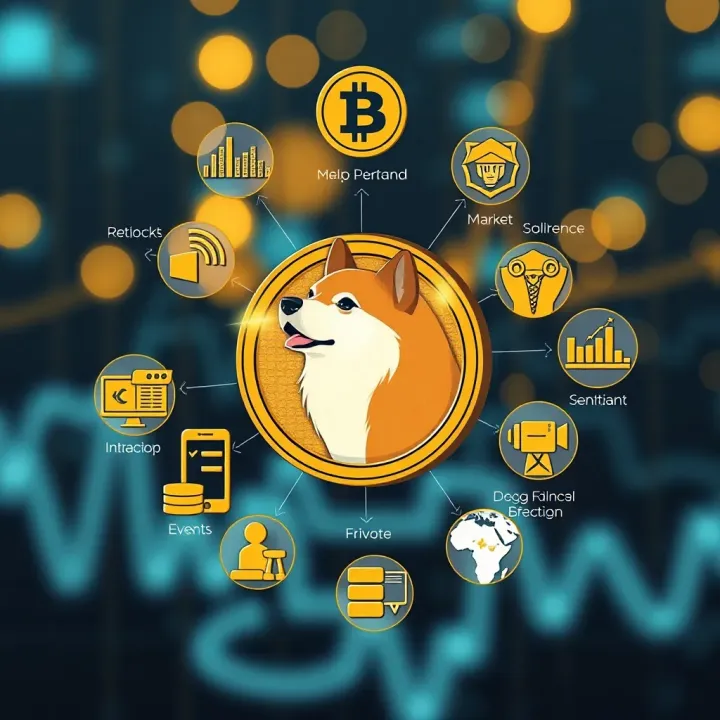
Investors should consider these endorsements carefully, though. While they offer quick gains, they also increase volatility. Unlike companies with steady fundamentals, Dogecoin waves can rise and fall drastically on hype alone, making it risky to rely solely on celebrity buzz for investment.
Besides celebrity attention, Dogecoin thrives on social media communities, especially Reddit, Twitter, and TikTok. Trends can take off rapidly here, creating hype cycles where enthusiasm surges, drives prices up, then fades, leading to drops. These cycles are visible during events like bull runs when memes, challenges, or viral posts push prices hot before cooling down.
For traders, timing these cycles is crucial but difficult. Keeping an eye on social channels offers real-time insight into potential pumps or dumps. Still, one must differentiate genuine growth signals from mere hype to avoid getting caught at a price peak.
Dogecoin runs on its own blockchain, which has received fewer upgrades compared to major coins like Bitcoin or Ethereum. Transaction speed and cost remain relatively favourable, with quicker confirmations and low fees. This can make Dogecoin attractive as a payment method or tipping coin, adding use-case value beyond speculation.
Improvements or stagnation in network technology impact investor confidence. For instance, any upgrade that reduces fees or enhances security can boost long-term viability, potentially supporting price growth. On the flip side, technical neglect might lower interest among users and traders alike.
Dogecoin uses a proof-of-work mining system; however, its supply is inflationary—there’s no capped maximum supply unlike Bitcoin. About 5 billion new Dogecoins enter circulation every year. This ongoing increase puts downward pressure on price if demand doesn’t keep pace, making it crucial to monitor mining trends.
Mining difficulty changes affect how quickly new coins are generated. If mining slows due to lower rewards or energy costs rising (important for Nigerian miners facing fuel issues), supply tightness might occur briefly. For investors, understanding these supply-side factors aids in predicting longer-term price trends beyond short-term hype.
Dogecoin’s price often moves in sync with larger cryptocurrencies like Bitcoin and Ethereum. When these market leaders face rallies or crashes, Dogecoin usually follows because of overall investor sentiment in the crypto space. For example, bearish news hitting Bitcoin tends to drag Dogecoin down as traders exit riskier assets.
Watching Bitcoin’s and Ethereum’s trends is a practical way to anticipate Dogecoin movements. However, Dogecoin sometimes breaks away when specific news or social phenomena boost it uniquely.
Global and local regulations significantly affect Dogecoin. In Nigeria, increasing calls for clearer cryptocurrency guidelines by agencies like the Central Bank of Nigeria (CBN) create uncertainty, causing price swings. International rulings on crypto exchanges or taxation also shift market sentiment, as traders digest the impacts on liquidity and access.
Regulatory clarity generally supports sustainable growth, while crackdowns or ambiguous policies raise red flags for investors. Therefore, keeping updated on regulatory developments helps Nigerians gauge risk levels and plan entry or exit timings prudently.
Market sentiment, technical progress, and the broader crypto environment shape Dogecoin’s price. Paying attention to these factors supports smarter, more measured trading and investment strategies.
Understanding recent trends and the short-term outlook of Dogecoin offers practical insight into its immediate market behaviour, helping investors and traders make timely decisions. This section zeroes in on recent price actions, liquidity shifts, and key events that shaped Dogecoin's value in the past year. For those looking to enter or exit positions soon, grasping these factors can highlight opportunities and expose risks.
Dogecoin's price in the last 12 months has been particularly volatile, swinging between lively highs and sharp lows. For instance, Dogecoin spiked near ₦150 per coin at its peak driven mainly by social media buzz and celebrity endorsements but later tumbled to under ₦50 during broader crypto market downturns. This rollercoaster movement reflects cryptocurrency’s sensitivity to external sentiment and global market shifts. Nigerian investors must weigh these swings carefully, especially considering the naira’s own fluctuating value which can affect local dollar-equivalent returns.
Trading volumes over the year shed light on Dogecoin’s market liquidity, indicating how easily one can buy or sell without drastically affecting the price. Higher volumes generally suggest healthy liquidity; however, lower volumes can cause slippage and bigger spreads. For Dogecoin, spikes in volume often coincided with viral campaigns or news, meaning liquidity can vary sharply day to day. Therefore, those planning quick trades or large transactions should monitor volume trends closely on platforms like Binance Nigeria or Luno to avoid unfavourable price movements.
Recently, Dogecoin’s integration into NFT (non-fungible token) marketplaces and DeFi (decentralised finance) apps has added fresh impetus to its demand. Platforms experimenting with accepting Dogecoin for NFT purchases or using it within DeFi lending protocols have expanded its utility beyond mere speculation. For example, certain NFT drops in Nigeria accepted Dogecoin for payment, enhancing its appeal among digital collectors. This evolving ecosystem could anchor Dogecoin's price by boosting real-world use cases, yet it also introduces new risks if these integrations don't gain widespread adoption.
The Dogecoin community remains an active force behind the coin's ups and downs. Several recent fundraising drives and charity events powered by Dogecoin have spotlighted its potential for social impact—like campaigns to support Nigerian causes or disaster relief initiatives. These activities often spur short-term price increases as community members rally support, impacting demand positively. For investors, following these campaigns provides clues on sentiment shifts driven by grassroots energy rather than pure market speculation.
Keeping an eye on both technical price indicators and community-led initiatives helps balance the risk and potential rewards in Dogecoin's near-term outlook, especially for cautious investors in Nigeria.
Stay informed on trading volumes when making transactions.
Watch how NFT and DeFi involvement affects adoption.
Monitor community activity for sudden shifts in demand.
Expert predictions offer valuable insights when assessing Dogecoin’s future potential. They pull together technical patterns and fundamental factors that might be missed by casual observers. Especially for Nigerian investors, understanding how analysts interpret market data and project long-term sustainability helps push informed decisions beyond mere speculation.
Support and resistance levels act like invisible walls where Dogecoin’s price often hesitates or reverses direction. A support level is a price point where demand tends to increase, stopping a fall, while resistance is where selling pressure grows, capping upward moves. For example, if Dogecoin bounces repeatedly back from ₦20 per coin, traders see ₦20 as a support zone. Breaking below this could signal further declines. Conversely, if it struggles to surpass ₦35, that’s a resistance level where some may choose to sell.
Knowing these levels helps investors plan entry and exit points. It’s not absolute but gives a framework to anticipate short-term behaviour based on past price action. Combining support and resistance with other indicators strengthens trade timing.
Indicators signalling possible trends include tools like moving averages, RSI (Relative Strength Index), and MACD (Moving Average Convergence Divergence). Moving averages smooth out price fluctuations to highlight underlying trends. When Dogecoin’s short-term average crosses above the long-term average, it often points to an upward momentum. RSI measures whether the coin is overbought or oversold; a reading above 70 suggests overbought (potential sell signal), while below 30 indicates oversold (potential buy signal). MACD helps spot trend reversals by comparing different moving averages.
Technical analysts use these to gauge when Dogecoin might break out of a sideways market or prepare for a pullback. For instance, a high RSI paired with resistance near ₦35 might warn investors about a short-term correction.
Adoption as a payment method remains a strong indicator of Dogecoin’s real-world utility. More merchants and online platforms accepting Dogecoin signal growing confidence beyond speculative trading. While still limited compared to Bitcoin or Ethereum, initiatives like integration with Nigerian payment gateways or acceptance in e-commerce can deepen its appeal and stability.
For example, if a popular Nigerian app enables Dogecoin payment for services, it creates a demand driver independent of price cycles. This adds weight to a long-term bullish view.
Developer interest and project sustainability are vital for Dogecoin’s endurance. While initially created as a meme coin, ongoing upgrades and code maintenance demonstrate commitment beyond hype. A community actively improving transaction speeds, wallet security, and blockchain efficiency keeps Dogecoin relevant.
If developer involvement wanes, risks of stagnation or security vulnerabilities rise. Conversely, steady contributions suggest Dogecoin could maintain or even increase market share among altcoins over the years. Nigerian investors should watch crowdsourced GitHub activity or announcements from known contributors to gauge health.
Expert analysis bridges the gap between raw price data and actionable investment choices, especially in a volatile market like Dogecoin’s. It is a mix of art and science but a necessary step for anyone serious about crypto trading or investment in Nigeria.
Keep an eye on technical levels to time buys and sells
Watch indicators for early signals of trend changes
Track adoption stories to assess growing utility
Monitor developer activity for signs of future-proofing
Understanding both technical and fundamental views allows Nigerian investors to move from guesswork to strategy when dealing with Dogecoin.
When it comes to Dogecoin, Nigerian investors face unique circumstances that should guide their decisions. Understanding the specific risks and practical steps related to buying, storing, and reporting cryptocurrency here can help protect investments and ensure compliance with local laws. This section breaks down what traders and investors in Nigeria need to know about Dogecoin.
Market unpredictability is a key concern for Dogecoin investors everywhere but particularly in Nigeria, where economic factors often add layers of uncertainty. Dogecoin's price can swing drastically within days, driven largely by social media hype or celebrity endorsements rather than fundamentals. For example, a single tweet by a global figure can send the price soaring or tumbling. This erratic behaviour means that investing in Dogecoin carries significant risk of sudden losses, demanding caution and a clear strategy to avoid panic selling during dips.
Regulatory uncertainties in Nigeria add another layer of risk. The Central Bank of Nigeria (CBN) has taken a cautious stance toward cryptocurrencies, imposing banking restrictions on crypto exchanges which complicate easy access for Nigerian investors. While the government hasn’t banned cryptocurrency outright, the lack of a clear regulatory framework means investors can face unexpected challenges. For instance, a new policy or directive can disrupt access to exchanges or freeze transactions, impacting liquidity and investment plans.
Choosing Nigerian exchanges and platforms that support Dogecoin is critical for convenience and security. Platforms like Quidax and Yellow Card allow users to buy Dogecoin using naira through local payment channels, easing the process and reducing risks of fraudulent transactions. Always verify exchange credibility by checking user reviews and regulatory compliance. Avoid platforms not registered with the Nigerian authorities to minimize exposure to scam or abrupt service discontinuation.
When it comes to wallet options and security, safeguard your Dogecoin holding by using reputable wallets. Hardware wallets such as Ledger or Trezor offer strong protection by keeping private keys offline. For mobile users, popular wallets like Trust Wallet are practical but demand strong personal security habits – such as using two-factor authentication and keeping backup seed phrases offline. Remember, losing your wallet credentials means losing access to your coins permanently.
The Federal Inland Revenue Service (FIRS) has started paying more attention to cryptocurrency earnings. Although Nigeria currently lacks comprehensive crypto tax laws, any profit made from selling or trading Dogecoin is generally considered taxable income. Investors must keep detailed records of transactions, including purchase prices and sale proceeds, to report gains accurately when filing taxes.
To comply effectively, adopt best practices for reporting by maintaining clear documentation of your crypto activities. Use spreadsheets or financial apps to track transactions, date, value in naira, and counterparties. Stay updated with FIRS announcements, as tax policies on cryptocurrencies are still developing. Consult tax professionals familiar with Nigerian regulations to ensure you meet your obligations without overpaying.
Being proactive in managing risks, choosing the right platforms, securing your assets, and meeting tax requirements makes all the difference for Nigerian investors looking to navigate Dogecoin wisely.
Explore Core Coin’s price forecast 📈 within Nigeria’s fintech scene, weighing adoption, market trends, technology, and regulation for smart ₦investment moves.
📊 Explore the USDCAD forecast with insights on US and Canada economic trends, interest rates, and commodity prices to guide your trading decisions 🇺🇸🇨🇦
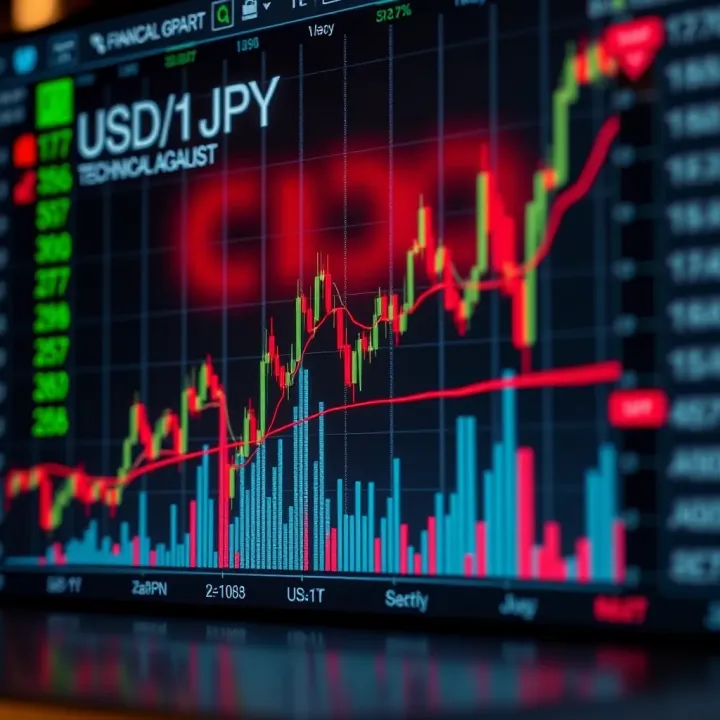
📈 Get insights on USD/JPY forecast with key economic data, market trends, & geopolitical factors shaping its next moves. Stay ahead in forex trading! 💹
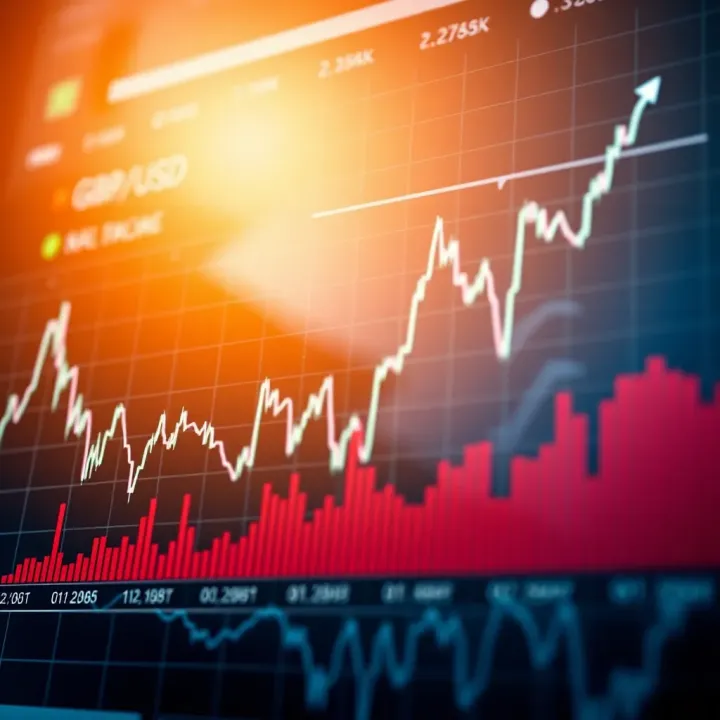
📈 Stay informed with today's GBP/USD forecast. Understand UK and US economic data, central bank moves, and geopolitical issues shaping forex trends for better trading decisions.
Based on 8 reviews