
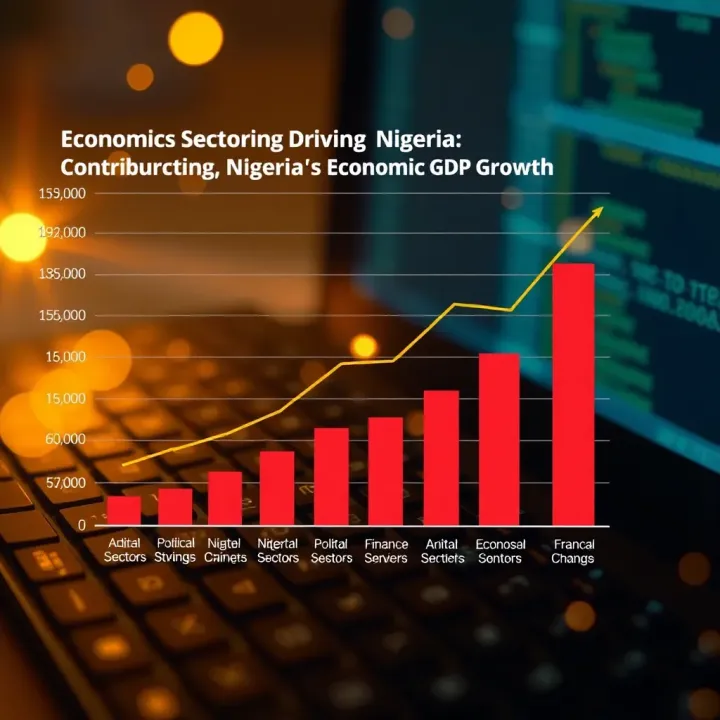
Key Sectors Driving Nigeria’s Economic Growth
Explore Nigeria's vital markets 🌍: key sectors driving growth 📈, challenges faced, trends, and opportunities for investors, entrepreneurs, and policymakers.
Edited By
Emily Shaw
Economic cycles describe the regular swings between periods of expansion (boom) and contraction (crash) in a country's economy. In Nigeria, these cycles influence everything from inflation rates to job opportunities, affecting traders, investors, and everyday Nigerians alike.
A boom usually means increased economic activity, rising business profits, and more money circulating in the system. For example, during the global oil price surge in the early 2010s, Nigeria experienced a significant boom, with government revenues and foreign investments rising sharply. Conversely, a crash sees reduced spending, lower production, and often higher unemployment. The 2016 naira crash amid falling oil prices highlighted how vulnerable the Nigerian economy is to shocks.
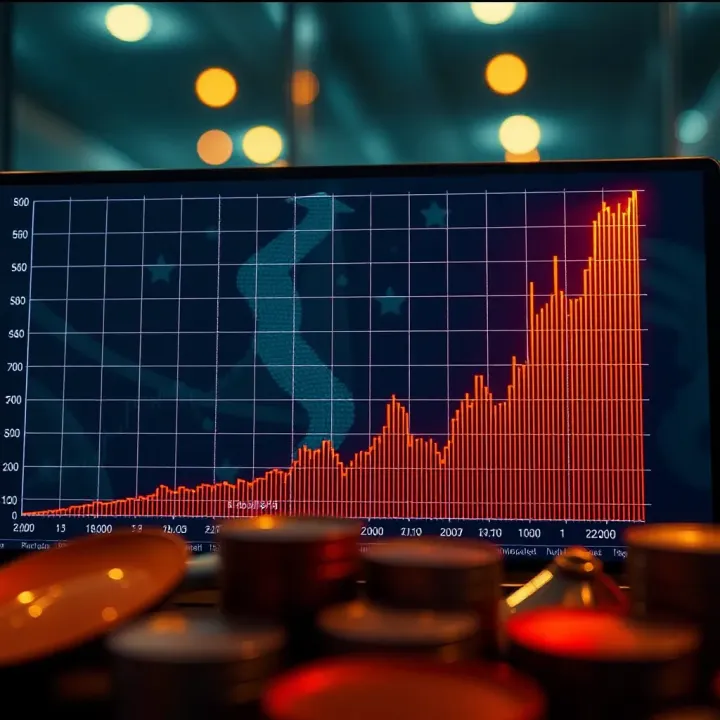
Understanding what drives these cycles can help investors and businesses make smarter decisions. Key factors include:
Commodity prices: Nigeria's heavy reliance on oil exports means global oil price fluctuations have outsized effects on the economy.
Monetary policy: Policies by the Central Bank of Nigeria (CBN), like interest rate changes, influence inflation and borrowing costs.
Political stability: Election years or unrest can reduce investor confidence and disrupt markets.
External shocks: Global events such as trade wars or pandemics shift demand and supply dynamics.
It's worth noting that economic cycles in Nigeria often overlap with challenges such as power supply issues and currency volatility, which intensify the effects of booms and crashes.
Knowing where the economy stands in the cycle allows entrepreneurs and financial advisers to plan better — whether that's scaling operations, timing investments, or managing risks.
To navigate these fluctuations, consider practical approaches:
Diversify assets: Don’t put all your investments in one sector, especially in oil-related businesses.
Monitor central bank signals: CBN's policies hint at upcoming economic shifts.
Build cash reserves: Avoid over-leveraging during a boom to cushion the impact of downswings.
Stay informed: Regularly follow economic indicators like inflation rate, exchange rate, and GDP growth.
By recognising these signs and adapting strategies, Nigerian entrepreneurs and investors can better ride the waves of economic crashes and booms, safeguarding their interests amid volatility.
Understanding what an economic crash and boom mean is crucial for traders, investors, and business owners navigating Nigeria’s fluctuating market. When you grasp these concepts, you can better predict market turns and adjust your strategies accordingly. Economics does not happen in isolation—local factors like oil price swings, naira depreciation, and government policies heavily influence these cycles.
An economic crash typically involves a rapid decline in economic activity, which triggers widespread panic among investors and consumers. For example, the 2008 global financial crisis saw Nigeria’s stock market tumble sharply within weeks, shaking confidence and causing immediate sell-offs. Such a crash sends a strong signal that risk levels have spiked, forcing businesses and households to rethink spending.
Several triggers spark these crashes: financial crises like banking sector failures, abrupt government policy changes, or external shocks such as a sudden oil price collapse. Take the 1980s when the crude oil price plummeted; Nigeria entered deep recession, highlighting how dependent the economy is on volatile commodity markets. These triggers cause uncertainty, leading to credit tightening and investment withdrawal.
The fallout from a crash usually hits employment hard as companies reduce staff and delay projects, worsening poverty rates. Businesses, especially SMEs, struggle to stay afloat due to falling demand and currency depreciation which raises import costs. The naira often weakens during crashes, making imported goods more expensive and fuelling inflation, which further erodes buying power.
An economic boom means sustained economic growth marked by increased production, employment, and income. During such times, investors feel buoyant, and consumers spend more freely. Nigeria’s early 2000s oil boom brought higher public revenues that trickled down to better infrastructure and job creation.
The main drivers of booms are usually higher investments, both local and foreign, plus strong consumer confidence that encourages spending. For instance, the recent leap in Nigerian fintech startups like Paystack and Flutterwave attracted venture capital, boosting tech sector growth and creating new jobs. This investment cycle feeds into itself—investors back growing sectors, which drives further spending and expansion.
Observable signs of a boom include rising wages, increased demand for goods and services, and expanding business activities. You might notice a spike in car sales, more robust home construction, or higher market prices for staples. These trends show the economy’s health and help guide decisions on when to scale operations or diversify.
Knowing how to detect the subtle changes that portend either a crash or boom enables you to act swiftly, protecting assets or capitalising on opportunities ahead.
By having clear definitions and examples of economic crashes and booms, you set the foundation for deeper analysis of Nigeria’s economic rhythms and make better-informed financial decisions.
The swings between economic crash and boom hinge on several key factors that influence how economies perform over time. For traders, investors, and business owners in Nigeria, understanding these factors helps in anticipating market shifts and making informed decisions. From government policies to global events and human behaviour, these forces collectively shape the economic cycle.
Monetary policies, especially decisions around interest rates, directly affect economic activity. When the Central Bank of Nigeria (CBN) raises rates to curb inflation, borrowing costs climb, slowing investment and consumer spending—this can cool down an overheated economy or trigger a downturn if not managed carefully. Conversely, lowering rates can encourage borrowing and spending, driving growth but risking inflation.
Fiscal spending and taxation also bore heavy influence. When the government increases spending on infrastructure or social programmes, it can boost demand and create jobs, contributing to an economic boom. Yet, high taxes or sudden changes in tax policies can discourage business activity and slow growth. For instance, a hike in Value Added Tax (VAT) beyond the current 7.5% might reduce consumers’ disposable income, tipping the scale towards a slowdown.
Regulatory lapses or reforms shape business confidence and market dynamics. Poor enforcement of financial regulations can lead to risky lending and eventual crashes, while timely reforms help stabilise markets. Nigeria’s fintech sector, for example, flourished after regulatory frameworks adapted to digital payments, showing how reforms can spur growth.
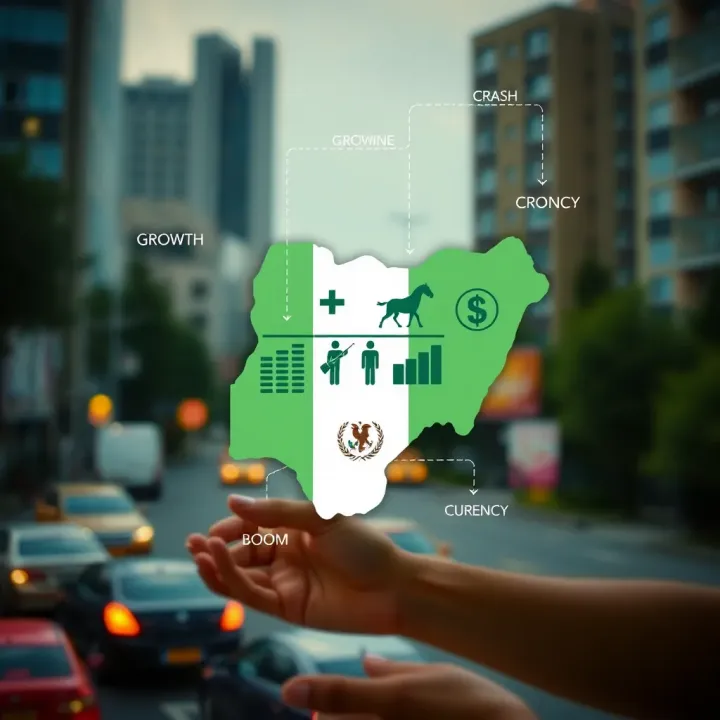
Commodity price swings have serious implications for Nigeria, as oil revenues form a large share of national income. A sudden drop in crude prices, like those seen in 2014 and recently during global demand shocks, reduces government revenue and foreign reserves, pressuring the naira and stalling public projects.
Foreign exchange market volatility, influenced by both internal policies and global factors, affects import costs and inflation. Sharp naira devaluation raises prices for goods and services, hitting households and businesses hard. This volatility discourages long-term planning and investment.
Global economic trends and trade relationships impact export opportunities and foreign investment. Slowing global growth or trade tensions can reduce demand for Nigerian exports, while robust trade deals and partnerships generally enhance economic prospects.
Investor sentiment plays a significant role; optimism can drive markets upward, while panic leads to rapid sell-offs. Speculative activities sometimes inflate prices beyond fundamental values, creating bubbles that eventually burst, causing crashes.
Credit cycles reflect the availability and terms of borrowing. Loose lending standards can fuel excessive borrowing and risk-taking, inflating bubbles. When lenders tighten credit to manage risks, it can trigger slowdowns, as seen in Nigeria’s banking sector adjustments after the 2009 crisis.
Market bubbles form when asset prices rise sharply without corresponding economic fundamentals. For example, rapid surges in property prices or tech stocks often end with corrections that impact investors and the broader economy.
Recognising how these factors interplay helps you anticipate economic turns. Whether you are investing, trading, or running a business, staying aware of policy changes, global trends, and market moods can protect your interests and open new opportunities.
Understanding how economic crashes and booms affect Nigeria's economy is vital for traders, investors, and entrepreneurs. These cycles influence business viability, employment levels, consumer behaviour, and public welfare — all of which determine the nation’s economic health and individual livelihoods.
Small and medium enterprises (SMEs) often face the harshest challenges during economic crashes. Limited financial buffers force many to scale down operations or close completely when consumer demand plummets or credit tightens. For example, during the 2016 recession triggered by the oil price shock and naira devaluation, many SMEs in Lagos and Port Harcourt struggled to meet fixed costs due to reduced spending power and elevated input costs. This vulnerability highlights why risk management and access to affordable financing are crucial for SMEs.
On the flip side, economic booms tend to stimulate job creation as businesses expand and new ventures emerge. During Nigeria’s early 2000s oil boom, sectors like construction and telecommunications generated thousands of jobs, drawing in a young labour force. Nevertheless, downturns swiftly reverse this trend, with layoffs common in affected industries. Skilled workers in oil and manufacturing sectors, for instance, often find themselves unemployed when global prices fall or demand contracts, underscoring the importance of flexible labour policies and retraining programmes.
Different sectors react distinctively to these cycles. The oil sector, being Nigeria’s economic backbone, feels immediate impact from global crude price swings, directly affecting government revenues and foreign exchange reserves. Agriculture, while more resilient, suffers indirect effects such as reduced rural incomes and lowered demand for farm inputs during crashes. Manufacturing typically contracts sharply in downturns due to capital shortages and lowered consumer demand but can rebound fiercely during booms if policies support local production. Hence, sector-specific strategies are essential when navigating economic fluctuations.
Crash periods usually lead consumers to tighten their belts, prioritising essential over discretionary spending. The 2020 recession amid the COVID-19 pandemic saw many Nigerians switch from eating out at bukaterias to cooking at home, and from buying imported goods to locally made products. These shifts directly impact businesses and require entrepreneurs to adapt quickly to changing consumer preferences.
Household incomes tend to shrink during crashes, pushing many into poverty or deeper financial strain. Inflation, combined with job losses, reduces real income, making daily necessities harder to afford for many families. This effect was notably visible during the 2016 recession, where poverty rates increased and welfare programmes struggled to keep up, especially in the informal and rural sectors.
Government social safety nets play a critical role during these tough times. Cash transfer schemes, subsidies, and targeted food programmes can alleviate hardship, though their reach often remains limited. Policy responses during Nigeria’s recent recessions have shown that timely, well-targeted interventions help stabilise vulnerable populations and sustain consumer confidence. Nonetheless, strengthening these programmes and ensuring transparency remains a challenge requiring urgent attention.
Economic cycles shape every layer of Nigeria’s society and economy. Understanding these consequences allows businesses, policymakers, and individuals to prepare better and respond more effectively when crashes or booms come calling.
In summary, the effects of economic cycles on businesses, jobs, consumer behaviour, and welfare in Nigeria demand tailored strategies. Only by recognising sector-specific risks and opportunities, along with social protection needs, can the economy achieve more resilience against the inevitable ups and downs.
Navigating economic ups and downs is vital for both individuals and businesses in Nigeria’s unpredictable market. Economic crashes and booms affect everything from job security to business profitability, so having clear strategies helps reduce risks and seize opportunities. Whether you’re a trader, investor, or entrepreneur, understanding how to plan financially and adapt your operations can make the difference between survival and success.
Diversification of income and investments means spreading your earnings and assets across different sources to avoid depending on just one. For example, an investor might combine stocks with real estate and a small side business. This way, if the stock market crashes, rental income could still keep the cash flowing. Similarly, individuals paid in naira might supplement with extra earnings from online freelance work or agriculture. Diversification keeps you flexible and less vulnerable during economic downturns.
Building savings and emergency funds acts as a financial cushion for tough times. Many Nigerians struggle during market crashes because they lack enough savings to cover unexpected expenses like medical bills or sudden job loss. Setting aside even a small amount regularly can provide peace of mind. In Nigeria’s context, an emergency fund equal to at least three to six months of living expenses is ideal, especially considering occasional naira volatility and rising fuel costs, which affect household budgets.
Using insurance and hedging tools can protect against specific risks that threaten your finances or business. For instance, farmers might use crop insurance to guard against poor harvests caused by floods or drought, while businesses can hedge against foreign exchange risks, especially with import-dependent operations. Insurance policies—covering health, assets, or business interruptions—help you manage surprises without wiping out your savings.
Cost optimisation and efficiency improvements keep businesses lean during downturns. This may involve negotiating better supplier deals, reducing waste, or switching to energy-saving equipment to cut diesel generator usage in places with unstable power supply. Small and medium enterprises (SMEs), especially during the ember months when expenses rise, benefit greatly from such cost control measures.
Exploring new markets and products allows businesses to tap into fresh revenue streams, reducing reliance on a single source. A Lagos-based cloth trader, for example, might start selling matching aso ebi fabrics online to reach diaspora customers. Food vendors (mama puts) can introduce delivery services or packaged meals to adjust to changing consumer habits during economic slowdowns.
Leveraging technology and digital platforms is increasingly crucial. Fintech solutions like Paystack and Flutterwave provide seamless payment options that help businesses reach customers beyond physical locations. Using social media for marketing or adopting POS terminals reduces cash reliance and improves customer trust. In fact, digitising operations has helped many Nigerian startups stay afloat when physical sales declined during past crises.
Staying proactive and flexible with solid financial planning and business adaptations will help you weather Nigeria’s economic waves better than most.
Studying Nigeria's past economic crashes and booms is vital to understanding how policies and markets respond under pressure. These lessons help traders, investors, and policymakers avoid repeating mistakes and capitalise on growth periods wisely. Knowing what triggered downturns and how recovery unfolded offers important clues on managing risks and seizing opportunities.
The 1980s oil price collapse hit Nigeria hard due to heavy reliance on crude oil exports. When global prices fell sharply, government revenues shrank, causing severe budget deficits. This led to recession, rising unemployment, and inflation. The economy's heavy oil dependence exposed the dangers of insufficient diversification—a problem that still resonates.
This event highlighted the urgent need for Nigeria to broaden its economic base beyond oil. It showed investors and policymakers that putting many eggs in one basket leaves the economy vulnerable to external shocks.
Though Nigeria was shielded from direct exposure to toxic assets that triggered the global crash, it felt the ripple effects through lowered foreign investment and export demand. The naira depreciated, and stock markets declined. Financial institutions tightened credit, slowing business activities.
This crisis demonstrated Nigeria’s growing ties to the global economy and the importance of building resilient financial systems. It reminded businesses and investors to prepare for external shocks by maintaining liquidity and diversifying income sources.
Both crises underscored the need for sound macroeconomic policies and structural reforms. Nigeria's later adoption of flexible exchange rates, inflation targeting, and banking regulations reflected responses to previous shocks. Yet, lingering issues such as corruption and inadequate infrastructure mean reforms must be ongoing.
Policymakers learned that reforms should aim at sustainable fiscal management, promoting private sector growth, and improving transparency to dodge future crises and sustain booms.
The early 2000s oil boom injected substantial revenues into Nigeria’s economy. This period saw infrastructure projects and attempts at economic diversification in agriculture and telecoms. However, heavy spending on government consumption and limited private sector involvement capped the gains.
For investors, this era showed promise in sectors like telecoms—companies such as MTN Nigeria expanded rapidly. Yet, the experience warns that fuelled growth without reform risks overheating and future slumps.
More recently, Nigeria’s economy has witnessed moderate growth powered by fintech startups like Paystack, Flutterwave, and Kuda. These companies revolutionised payments, boosting financial inclusion and attracting foreign investment.
The growth in fintech demonstrated that diversifying into technology can drive sustainable progress beyond oil, offering new avenues for entrepreneurship and investment.
Sustainable growth depends on firm economic fundamentals: diversified industries, strong institutions, and prudent fiscal policy. Nigeria’s history shows that booms without sound structural support are fragile and prone to crashes.
For business and investment strategies, balancing short-term gains with long-term stability is critical. Continuous innovation, reform implementation, and readiness for shocks can help Nigeria avoid boom-bust extremes.
Learning from past economic cycles gives you an edge in anticipating risks and positioning yourself for growth in Nigeria’s complex market environment.
Explore Nigeria's vital markets 🌍: key sectors driving growth 📈, challenges faced, trends, and opportunities for investors, entrepreneurs, and policymakers.
📈 Discover how Nigerian investors can benefit from copytrading by automatically following top traders. Learn the pros, cons, and simple steps to start wisely.
📈 Learn about synthetic trading, its workings, pros & cons, and how it compares to traditional methods in Nigeria's financial markets. 💼💡

Explore USDT mining in Nigeria 🇳🇬 - how it works, key tools, risks, rewards, and practical tips to maximize your investment in this crypto space 💰
Based on 11 reviews