
How to Sign In to Your Deriv.com Account Easily
🔐 Need help signing in to Deriv.com? Get step-by-step login tips, password recovery, and security advice tailored for users in Nigeria. 📲
Edited By
Emily Carter
Exness offers a range of account types designed to meet the diverse needs of Nigerian traders, whether you're new to forex and CFDs or a seasoned professional. Each account comes with unique features tailored for different trading experiences, risk levels, and financial goals, giving you flexibility to choose what fits your style best.
Understanding these account types is essential because your choice can influence your trading costs, potential profits, and risk exposure. For example, some accounts offer tighter spreads but higher minimum deposits, while others permit higher leverage but with extra margin requirements.

Here’s what you should keep in mind when exploring Exness accounts:
Account requirements: Minimum deposit amounts vary, affecting accessibility for traders starting with smaller capital.
Leverage options: High leverage can magnify gains but also losses, so knowing what’s available helps manage risk.
Spreads and commissions: Accounts differ in the spreads charged (the difference between buy and sell prices) and whether commissions apply.
Trading instruments: Some accounts support a wider selection of assets beyond forex, like cryptocurrencies and commodities.
Picking the right Exness account isn’t just about costs—it’s about matching your trading strategy and risk tolerance to the services on offer. A careful choice sets the foundation for effective trading.
Exness primarily offers four main account types: Standard, Raw Spread, Zero, and Pro. Each targets different users:
Standard Account – Ideal for beginners or casual traders in Nigeria who want low entry costs and spreads starting from 0.3 pips.
Raw Spread Account – Favoured by traders prioritising low spreads, starting almost at zero pips, but with commissions applied per trade.
Zero Account – Designed for scalping and high-frequency trading with spreads fixed at zero on major forex pairs, but commissions are charged.
Pro Account – For experienced traders who require fast execution speeds and access to the most advanced trading conditions.
Understanding how these account types operate with the Nigerian market conditions—like naira liquidity and local forex regulations—helps you navigate your options confidently. This guide will break down those details, helping you select an Exness account that aligns with your trading plans and financial capacity.
Understanding the variety of trading accounts offered by Exness is crucial for Nigerian traders aiming to make smart investment choices. Exness presents several account types tailored to suited different trading strategies, risk tolerance, and capital availability. This overview highlights key aspects that will help you gauge which account fits your trading style and goals.
Exness has built a solid reputation since its launch, serving clients globally with reliable forex and CFD trading services. Particularly for Nigerians, Exness stands out due to its transparency, competitive spreads, and flexible leverage options that cater to both newcomers and seasoned traders. One practical reason many Nigerians turn to Exness is the ease of funding accounts via local banking systems and popular fintech platforms like Paystack and Flutterwave, reducing the headache of international transfers.
Their regulatory compliance and efficient customer support further boost confidence among Nigerian investors. For example, traders can easily verify accounts using Bank Verification Number (BVN) and National Identification Number (NIN), speeding up the onboarding process.
Despite their differences, all Exness account types share several important features that simplify trading. These include access to MetaTrader 4 (MT4) and MetaTrader 5 (MT5) platforms, known for robust technical analysis tools and smooth user experience. Additionally, Exness offers both market and instant execution types so traders can choose what suits their strategy best.
All accounts benefit from tight spreads, but the specific cost structure varies by account to suit beginner or professional levels.
Nigerian traders will also find that Exness’s leverage options are flexible, with certain restrictions imposed by regulatory frameworks but still solid enough to provide decent buying power. Automated trading and expert advisor (EA) support come standard, enabling traders to backtest their strategies efficiently.
Moreover, deposit and withdrawal methods accommodate Nigerian banking habits, with local options ensuring quick fund movement in naira, lessening exposure to forex volatility. Put simply, Exness balances global standards with local conveniences, making it a top choice among Nigerian forex enthusiasts.
Understanding these foundations arms you to better choose between accounts such as Standard, Cent, Raw Spread, or Zero accounts. Each comes with distinct perks, costs, and features, which we will unpack further in the next sections of this guide.
Retail accounts on Exness cater well to Nigerian traders who are looking to start or grow their involvement in forex and CFDs. These accounts provide clear trading conditions, flexible deposit sizes, and risk management features that adapt to different levels of experience. Understanding these options helps you make sensible choices, especially amid Nigeria’s forex scene where practical costs and capital control matter.
The Standard Account offers typical trading conditions ideal for new traders. Spreads here usually start from around 1.0 pips on major pairs like EUR/USD, which is manageable for beginners without risking too much. While spreads may widen during volatile periods, the simplicity and transparency of this account create a good learning environment without complex fee structures.
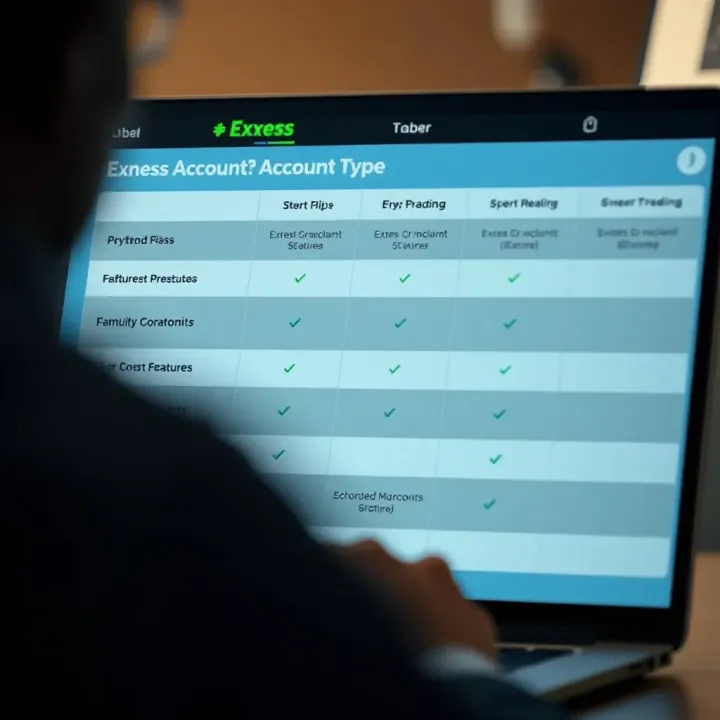
You only need a minimum deposit of $10 (about ₦5,500 to ₦6,000 in Nigerian naira terms), making it accessible to traders starting with limited capital. Leverage can go up to 1:2000, but caution is advised — leverage magnifies both gains and losses. For those new to trading and the naira's volatility, starting with moderate leverage keeps risk in check.
The Standard Account is straightforward: no commission fees, transparent costing, and access to all major forex pairs. It’s great for Nigerians who want to practice on real markets but with relatively low risk. Plus, the availability of funding via local payment methods, including bank transfers and online wallets, makes getting started less of a headache.
The Standard Cent Account allows you to trade using cents instead of dollars, meaning your balance and trades are scaled down by a factor of 100. If you deposit $10, your balance shows 1,000 cents. This simplifies micro trading and helps control losses better, which is crucial when you’re still gaining hands-on experience.
Micro trading with the Standard Cent Account is perfect for testing strategies or practising trade execution without risking too much capital. For instance, placing a trade size equivalent to 0.1 lots on a Standard account would be 10 lots on the Cent account, allowing exposure to smaller market moves while preserving funds.
Funding the Standard Cent Account is similar to the Standard Account, with multiple options including bank transfers, debit cards, and fintech wallets familiar to Nigerians like OPay and PalmPay. The account currency is typically USD cents, which means you need to consider exchange rates, but it offers flexibility to start trading with as low as a few hundred naira.
These retail account options on Exness allow Nigerian traders to start small, manage risks carefully, and scale trading activity in tune with their growing skills and capital.
Professional traders require account types that cater to high-speed, high-volume trading, offering tighter spreads and precise execution. Exness provides two main professional accounts designed for such traders: the Raw Spread Account and the Zero Account. These accounts appeal to those who are comfortable managing commissions and want the lowest possible trading costs to maximise profits.
The Raw Spread Account offers one of the tightest spread structures in the market, often starting from 0.0 pips. However, traders pay a commission on every trade, typically around $3.5 per lot per side, making the overall cost visible and transparent. For example, if a Nigerian trader bets on forex pairs, they can calculate their trading cost upfront and manage risk better. This structure suits those who prefer knowing fixed costs rather than variable spreads.
Leverage for the Raw Spread Account can be very flexible, with offerings up to 1:2000 depending on the instrument and risk appetite. Traders must remember that while high leverage can boost potential profits, it also increases exposure to losses. Margin requirements reflect this, so having sufficient capital and sound risk management strategies is essential. For instance, a trader using leverage of 1:500 on an initial ₦500,000 deposit must consistently monitor margin to avoid liquidation during volatile markets.
This account is ideal for advanced Nigerian traders who execute frequent trades, especially scalpers and day traders. The tight spread and transparent commission appeal to those who want to reduce costs over numerous transactions. Moreover, traders with a good grasp of leverage and margin management find this account suitable for maximising returns while controlling risks.
The Zero Account eliminates spreads entirely on major currency pairs during active market hours, charging only a commission per trade. This means traders buy and sell at virtually the same price, cutting out the typical spread cost. For example, if you trade USD/NGN pairs, you pay a defined commission without worrying about slippage caused by unpredictable spreads.
However, the Zero Account has some trading requirements, like minimum trade sizes and restricted instruments to ensure liquidity and market fairness. For instance, some exotic pairs or CFDs might be off-limits, and leverage options could be narrower compared to other accounts. Nigerian traders need to check these conditions carefully before opting for this account.
High-volume traders greatly benefit from the Zero Account, as the elimination of spreads reduces cost per trade significantly when executing hundreds or thousands of trades monthly. Institutions or professional traders who use automated trading systems also appreciate the consistency in pricing, which is crucial for algorithmic strategies. By understanding both the commission and trading restrictions, experienced traders can use this account to optimise cost-efficiency in their portfolios.
Choosing between Raw Spread and Zero accounts boils down to your trading volume, style, and tolerance for commissions versus spreads. Both suits Nigerian advanced traders aiming to sharpen their edge in forex and CFD markets.
Understanding special features and technical nuances in Exness account types helps Nigerian traders tailor their choices effectively. These aspects — like leverage levels, execution types, and platform options — directly influence trading costs, speed, and overall strategy. For instance, someone using a Raw Spread account might benefit from tighter spreads but must factor in commissions and appropriate leverage to manage risk. Getting these details right prevents unexpected costs and enhances control over trades.
Leverage varies considerably across Exness account types, offering traders flexibility to amplify their positions with a smaller capital outlay. Standard accounts typically provide leverage up to 1:2000, allowing fast capital growth but with heightened risk. In contrast, professional accounts like the Raw Spread or Zero provide leverage capped around 1:500 or less, aiming at experienced traders who prefer tighter controls.
This variation matters because leverage directly affects both potential profits and losses. For example, a beginner trading on a Standard Cent account with 1:2000 leverage can enter the market with as little as ₦500, while an experienced trader might opt for the Raw Spread account with lower leverage to exercise more caution during volatile periods.
Regulations on leverage impact Nigerian traders as well. The Central Bank of Nigeria (CBN) imposes rules limiting foreign exchange exposures, indirectly influencing leverage accessibility. While Exness operates offshore and offers high leverage options, Nigerian regulators often advise traders to use leverage cautiously due to naira volatility and underlying economic factors. Most serious Nigerian traders therefore prefer moderate leverage between 1:50 and 1:200, balancing opportunity and risk.
Risk management becomes critical when using leverage. High leverage might be tempting, but without strict controls—like stop-loss orders or position size limits—it can wipe out accounts quickly. Nigerian traders should consider their experience level and volatility of traded pairs before maxing out leverage. A good rule of thumb: never risk more than 1–2% of your trading capital on a single trade, especially when using leverage above 1:100.
Exness supports two main execution types: market execution and instant execution. Market execution means orders are processed at the current market price, which may differ slightly at order time due to volatility. This suits fast-moving markets or when using professional accounts. Instant execution attempts to fill orders at the exact price requested but may reject or requote if prices shift, suiting traders preferring price certainty.
For example, a scalper trading EUR/USD might prefer market execution to ensure rapid order fills, despite minor price changes. Conversely, a long-term trader entering a significant position may favour instant execution to avoid slippage that could affect profit targets.
MetaTrader 4 (MT4) and MetaTrader 5 (MT5) platforms are standard with Exness, widely recognised in Nigeria and beyond. MT4 remains popular for forex due to its user-friendly interface and extensive community resources, while MT5 adds features for CFDs, stocks, and more advanced charting. Both platforms offer custom indicators, automated trading with Expert Advisors, and real-time news adding to strategic depth.
Nigerian traders often use Exness’ mobile app for flexibility, especially in cities like Lagos where traffic and power supply issues can limit desktop access. The mobile app offers near-full functionality, including trade execution, account monitoring, and fund transfers. It integrates smoothly with MT4/MT5 mobile versions, enabling traders to react promptly to market moves from anywhere, even during rush hour or power shortages, ensuring no trading opportunity is missed.
Remember, selecting the right technical aspects along with your account type strengthens your trading groundwork. This attention to detail keeps you focused on profits, not avoidable pitfalls like slippage or overexposure through risky leverage.
In summary, Nigerian traders choosing among Exness accounts must consider how leverage options, execution types, and platform accessibility fit their trading style and risk appetite. Fine-tuning these technical components makes for smarter trading in a market that can turn on a naira’s value change overnight.
Selecting the right Exness account type can significantly influence your trading success. Nigerian traders face unique challenges, such as naira volatility and occasional delays in FX conversions, so matching your account to your needs helps minimise costs and risks. Knowing how each account works allows you to trade confidently, whether you’re just starting or already handling high volumes of forex or CFD trades.
Your trading experience shapes the best account choice. Beginners should lean towards the Standard or Standard Cent accounts, which offer low minimum deposits and simpler trading conditions. These accounts let you test waters without risking too much capital. For instance, a newbie from Lagos might start with a Standard Cent account trading micro lots to familiarise with forex movements without big loss.
More seasoned traders in Abuja or Port Harcourt, who understand market nuances and manage larger volumes, may prefer the Raw Spread or Zero accounts. These come with tighter spreads but involve commissions, suiting those who require precise cost control and execute trades frequently. Picking a professional account without enough experience can expose you to unnecessary risk, so self-awareness is key.
Costs include spreads, commissions, and swap fees, all influencing your bottom line. If you trade occasionally or with small sums, accounts with zero or fixed spreads might save you more money despite commissions on some professional accounts. For example, someone focused on short-term scalp trading needs lower spreads to maintain profitability.
Leverage options affect how much capital you can control. While higher leverage (up to 1:2000 on some Exness accounts) magnifies profits, it also increases losses. Nigerian traders should assess their risk appetite carefully. Day traders may use high leverage cautiously, whereas long-term investors might prefer lower levels to shield against volatility.
Trading style matters, too. A trader focused on major forex pairs might benefit from the Standard account’s flexibility, while those specialising in commodities or cryptocurrencies should check which account offers the best conditions for those assets.
Funding methods available in Nigeria: Nigerian traders can fund Exness accounts using local bank transfers, card payments, and popular fintech wallets such as Paystack, Flutterwave, or OPay. Using local methods reduces currency conversion delays and fees. For instance, funding by GTBank transfer often completes within hours, allowing quicker trade entries.
Verifying your account with BVN and NIN: Exness requires identity verification to comply with CBN regulations. Providing your Bank Verification Number (BVN) and National Identification Number (NIN) ensures your account is secure and meets legal standards. This step prevents access issues later and helps confirm your transactions are safe from fraud.
Handling withdrawals and naira conversions: With Exness, you can withdraw profits back to your Nigerian bank account, but note the naira exchange rate fluctuates daily. It's wise to review rates before requesting a withdrawal. Withdrawal processing times vary — local e-wallets might be faster than international bank transfers. Planning withdrawals during stable market periods keeps your funds intact.
Choosing your Exness account thoughtfully is part of smart trading. Balancing your skills, costs, and practical realities like funding routes and withdrawals safeguards your investment and targets better results.
🔐 Need help signing in to Deriv.com? Get step-by-step login tips, password recovery, and security advice tailored for users in Nigeria. 📲

📱 Learn how to easily access your Videforex account with step-by-step login guidance, troubleshoot common issues, recover passwords, and stay secure while trading.

📈 Discover how Nigerian investors can benefit from copytrading by automatically following top traders. Learn the pros, cons, and simple steps to start wisely.
📈 Learn about synthetic trading, its workings, pros & cons, and how it compares to traditional methods in Nigeria's financial markets. 💼💡
Based on 11 reviews