

Top Wealthiest Forex Traders Worldwide
Discover the wealthiest forex traders 🌍, their strategies, risk management tips, and how market trends shaped their success in global currency trading 💰📈.
Edited By
Sophie Reynolds
Forex trading demo accounts act as a straightforward training ground for Nigerian traders new to the currency market. These accounts provide you with virtual money, allowing practice without risking actual naira. Considering the volatility in currency rates and the challenge of navigating global markets, demo accounts offer a chance to learn trading tools, understand market behaviour, and test strategies in real-time conditions.
For example, a beginner using a demo account can practise buying and selling pairs like USD/NGN or GBP/USD without any financial loss. This hands-on experience helps build confidence and sharpens decision-making before trading with real money.
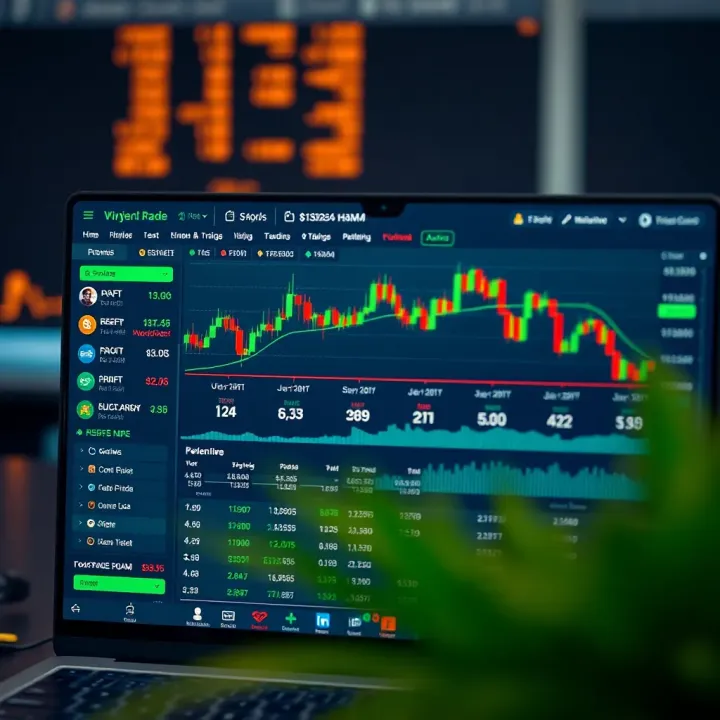
Demo accounts mirror live trading platforms. They feature real-time price feeds, trading charts, order placements, and technical indicators. However, the critical difference is the use of virtual funds rather than your actual cash. This distinction lets you experience market fluctuations without financial pressure.
A demo account is essentially a safety net, especially valuable for beginners eager to avoid costly mistakes in the live market.
Many Nigerian forex brokers—including well-known names like FXTM, OctaFX, and Alpari—offer free demo accounts. These platforms give you access to all their key functions, with some even simulating commission and spreads similar to their live versions.
Risk-free environment: Trade without worry over losing money
Hands-on familiarity: Learn platform navigation and features
Strategy testing: Check trading plans against real market data
Confidence building: Prepare psychologically for live trading
While demo trading is useful, be aware it cannot fully replicate emotional responses to real profit or loss. Keep this in mind as you prepare to transition to live accounts.
In short, Nigerian traders should see demo accounts as essential stepping stones - a space to learn, experiment, and build effective trading habits without exposing hard-earned naira to unnecessary risk. These trial runs pay off by reducing costly errors and improving your overall trading skills before stepping into the actual forex market.
Forex trading demo accounts provide a practice ground for new and experienced traders to understand currency trading without risking real money. For Nigerian traders, who often face market volatility and economic fluctuations, demo accounts offer a crucial opportunity to learn and refine strategies in a safe environment. Unlike live trading, these accounts use virtual funds, which means you can test different approaches without worrying about losing your hard-earned ₦.
A Forex trading demo account is essentially a simulation of a real trading account provided by brokers. It allows traders to access real-time market data and execute trades using virtual money. The main purpose is to help beginners familiarise themselves with the forex market and how trades work, while more seasoned traders can trial new techniques or test broker platforms. For example, a Nigerian trader might use a demo account to understand how different currency pairs like USD/NGN or EUR/USD behave before committing real funds.
Using a demo account also helps you get comfortable with the trading platform’s interface, which varies across brokers like FXTM, Binomo, or Alpari. This is especially useful in Nigeria where internet connectivity and power supply might cause delays or interruptions during live trading.
Demo accounts mirror live trading by replicating the actual forex market conditions through live price feeds and market news updates. This means you can experience the price fluctuations and volatility typical in currency markets just as you would in a real account. For instance, if there’s news about the Central Bank of Nigeria (CBN) adjusting the monetary policy rate, you’ll see immediate effects on relevant currency pairs in your demo account.
Moreover, demo platforms usually support the execution of all standard order types—market, limit, stop loss, and take profit—just like in real trading. This helps you understand how each order works under different market scenarios. However, while demo accounts aim for realism, they do not enforce emotions triggered by risking actual money, which is a major difference.
Demo accounts are vital for building trading skills without financial exposure, helping Nigerian traders avoid costly mistakes and build confidence before stepping into live markets.
In short, forex trading demo accounts are the training wheels for currency trading. They give you a chance to learn, experiment, and understand market dynamics without feeling the pressure of losing real ₦. This foundation is what prepares you to trade confidently and smartly when you switch to a live account.
Demo accounts provide Nigerian traders a safe space to learn the ropes of Forex trading without risking actual money. This is especially important given the volatile nature of global currencies and the naira’s fluctuating exchange rate. The chance to practise with virtual funds helps beginners understand market dynamics without the pressure of financial loss.

Trading Forex with real money can be daunting for many Nigerians, particularly first-timers unfamiliar with how currency pairs work. Demo accounts allow traders to experiment with buying and selling currencies like USD/NGN or EUR/USD without risking their savings. For example, a novice can try out trading during volatile periods—such as when CBN announces new policies—without fearing immediate losses. This trial-and-error process builds foundational skills and market awareness.
Besides learning basics, demo accounts are perfect for trying out various trading approaches. Whether it’s scalping, swing trading, or carrying trades, traders can see how strategies perform against live market prices that reflect real economic and geopolitical events. Takke the case of a trader wanting to test Forex signals they found online; using a demo account first reveals which signals work and which don’t without any capital at stake. This helps sharpen techniques before risking actual funds.
Confidence plays a big role in successful Forex trading. Demo accounts help build this confidence gradually. When traders see their virtual trades succeed, they gain conviction in their decisions. It also helps them manage anxiety and develop good habits, such as sticking to stop-loss limits or avoiding excessive trading during market noise. For Nigerian traders especially, moving from demo to live trading with a track record of practice reduces emotional stress and reduces chances of reckless moves when real naira is involved.
Practising on a Forex demo account is like learning to drive on an empty road. You get to understand the controls and road rules without the risk of crash or traffic fine. Once ready, actual driving feels less intimidating.
In summary, Nigerian Forex traders should use demo accounts to learn safely, test ideas under real conditions, and build confidence. This approach enhances their odds of consistent profits and reduces costly mistakes once they start live trading with real money.
Choosing a reliable forex broker is fundamental for Nigerian traders who want to get the most from their demo accounts. A good broker offers a realistic trading environment and safeguards your interests while you practise and build skills. Without a trustworthy broker, the demo experience can feel disconnected from live trading, making the transition to real funds less effective.
It's essential to pick brokers regulated either by the Central Bank of Nigeria (CBN) or respected international bodies such as the UK’s Financial Conduct Authority (FCA) or the Cyprus Securities and Exchange Commission (CySEC). Nigerian regulation ensures the broker understands local market dynamics and observes consumer protection laws. For example, brokers like GoMarkets and HotForex maintain regulatory clearance that reassures Nigerian traders about fund safety and transparent operations.
A regulated broker reduces the risk of scams or fraudulent practices common with some unlicensed operations targeting beginners. Demo accounts offered by these brokers mirror real trading rules, making your practice closer to what actual trading entails. Without this regulatory trust, traders can find themselves exposed to unrealistic terms or execution policies that don’t reflect market reality.
Demo accounts are only as good as the trading platforms they run on. Nigerian traders should prioritise brokers that give access to popular and user-friendly platforms like MetaTrader 4 (MT4), MetaTrader 5 (MT5), or cTrader. These platforms provide comprehensive charting tools, technical indicators, and multiple order types.
A practical example: If a trader wants to test a strategy using moving averages and RSI (Relative Strength Index), the platform should support these without glitches or delays. Brokers such as FXTM and Pepperstone provide intuitive interfaces and mobile apps that work smoothly even with occasional power outages or low internet bandwidth common in Nigeria.
Ease of navigation ensures you spend less time figuring out settings and more time refining strategies. Plus, platforms that regularly update and introduce new trading tools give Nigerian traders a better chance to adapt fast-changing forex markets.
Forex trading can throw up challenges — technical issues, execution concerns, or questions about account setup need quick solutions. Brokers offering local or Nigerian-based customer support ensure you’re not left hanging.
For instance, having access to support through phone calls during Nigerian working hours means problems get solved swiftly, boosting confidence and reducing downtime. Some brokers provide Hausa, Yoruba, or Igbo language options along with English, helping to break communication barriers.
Local support centres also understand the peculiar challenges Nigerian traders face, like frequent power outages or fluctuations in internet service quality, and can give targeted advice accordingly. When selecting a broker for your demo account, verify if they have offices or dedicated Nigerian helplines.
A demo account is a stepping stone — choosing the right broker makes sure that step is firm and leads smoothly to live trading.
In summary: Check for strong regulatory standing, test the platform’s tools and interface, and confirm reliable local support before registering a demo account. These criteria ensure your practice reflects real forex conditions within the Nigerian context, setting you up for trading success.
Understanding the key features of forex demo accounts is vital for Nigerian traders who want to test the waters before risking their hard-earned naira in live markets. These features offer a close-to-real trading experience, helping you sharpen your skills while avoiding financial losses. Let’s explore the essential elements you can expect and why they matter.
Demo accounts provide traders with virtual funds, usually ranging from a few thousand to a hundred thousand dollars or equivalent. This free capital lets you open trades without using real money. For example, with ₦10 million in virtual funds, you can practise buying and selling currency pairs like USD/NGN or EUR/USD. This set-up encourages experimentation with different trade sizes and strategies, which is especially useful if you are new to forex or testing a novel approach.
A reliable demo account offers live market prices that mirror real-world forex markets closely. This means you see current bid and ask prices for pairs such as GBP/USD or USD/JPY, helping you understand market movements accurately. Since market data updates instantly during trading hours, you can learn to spot trends, react to news, and grasp timing — all essential skills for success. Avoid demo platforms that use delayed prices, as this could give a false sense of security and unrealistic results.
Effective charting features are a must. Your demo account should include multiple chart types—line, candlestick, and bar charts—with zoom and time-frame options. Tools like moving averages, RSI (Relative Strength Index), and MACD (Moving Average Convergence Divergence) indicators help you analyse market behaviour and decide entry or exit points. Practising with these within the demo environment allows you to build your technical analysis skills without pressure.
Exploring different order types is essential for managing trades. Standard demos include market orders (immediate execution at current price), limit orders (set buy/sell prices), and stop-loss orders (automatic exit to limit losses). Nigerian traders should prioritise demos that also simulate various execution methods, such as instant execution and market execution, since these affect how quickly and at what price trades occur. Familiarity here reduces costly mistakes when trading live.
Remember: Not all demo accounts are made equal. Pick one that reflects real trading conditions to get the full benefit—this helps you transition smoothly to live forex trading without unpleasant surprises.
In sum, these core features are your training ground. Mastering them builds confidence and skills, preparing you well for handling real naira in the volatile forex market ahead.
Using a forex demo account wisely helps Nigerian traders build the foundation needed for live trading success. Without proper planning, it’s easy to treat a demo as just a free playground, missing out on the chance to develop real skills. This section gives practical advice to ensure your demo trading experience adds value and prepares you fully for the real market.
Start your demo journey with clear and achievable goals. Aim to learn how market orders work or how to use stop-loss tools rather than expecting immediate profits. For example, you might set a goal to practise placing five different types of orders within a week. This focus sharpens your understanding of the platform and basic trading mechanics.
Beyond tool mastery, your goals should include developing a strategy for entry and exit points based on Nigerian market hours or news events. Setting daily or weekly targets helps you monitor progress and adjust your approach rather than chasing unrealistic gains.
Demo accounts offer virtual cash, but practising discipline as if real money is at stake makes a big difference. Use position sizing and risk limits in your trades, as you would when trading live. Don’t fall into the trap of reckless trading since some traders behave differently in demo mode.
For example, decide to risk only 1% of your demo capital per trade. This approach conditions you to control losses and gain steady returns. Practising stop-loss and take-profit orders reinforces good habits, which are critical during live trading, especially with naira volatility and market fluctuations.
Moving from demo to live trading shouldn’t feel like jumping into deep water. After spending a few weeks or months in demo mode, start with low stakes in your live account. This helps adjust your emotional response to real profits and losses, which can be very different from virtual ones.
Pick trading times that suit active Nigerian forex liquidity hours and use the same strategies you tested on your demo. It’s common to face slippage and wider spreads live, so a phased transition helps you gauge these factors. Gradually increase your live trade sizes only after consistent success and comfort with your strategy.
Remember: The true goal of a demo account is not to win virtual money but to build the right habits, confidence, and understanding to trade smartly with real naira.
By setting realistic goals, sticking to disciplined risk management, and shifting thoughtfully to live trading, Nigerian forex traders can make their demo accounts a powerful stepping stone, not just a sandbox.
Discover the wealthiest forex traders 🌍, their strategies, risk management tips, and how market trends shaped their success in global currency trading 💰📈.
Learn how Deriv works in online trading, its benefits, risks, safety tips, and how Nigerians can use it smartly 📈💡💰
Explore how Nigerian traders and developers can integrate TradingView charts and tools into platforms for smarter market analysis 📊💻. Step-by-step guide included!
Ready to trade on Binary.com? 🇳🇬 Follow our step-by-step guide for Nigerian traders to easily create and verify your account, plus tips to start trading confidently!
Based on 10 reviews