

Understanding Margin: A Clear Guide
📊 Understand margin in business & finance—types, calculations, risks, and trading roles explained. Learn how effective margin management boosts profitability.
Edited By
Sophie Harwood
The Japanese currency, known simply as the yen (¥), is a vital aspect of Japan's economic identity and daily life. For Nigerian traders, investors, and businesspeople looking to engage with the Japanese market, understanding the yen’s structure and usage is essential.
Japan’s currency system revolves around the yen, divided into smaller units called sen and rin, though these subunits are rarely used nowadays. The coin denominations in common circulation include 1, 5, 10, 50, 100, and 500 yen coins, with 1,000, 2,000, 5,000, and 10,000 yen banknotes providing higher value denominations.
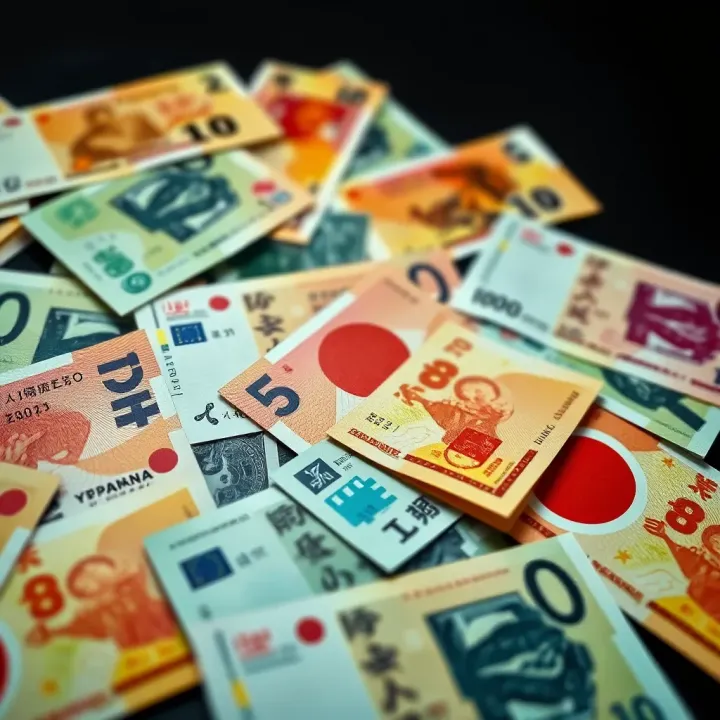
The yen is one of the world’s most traded currencies, making it a significant player in global finance. For Nigerian investors, keeping tabs on yen fluctuations relative to the naira can present opportunities for currency trading or hedging.
Japan retains a strong cash culture despite being a high-tech society. Most transactions, especially retail and everyday purchases like meals at a mama put, utilise cash. However, digital payments and e-money services are on the rise, with platforms such as Suica cards and QR code payments gaining ground. This transition matters for anyone planning to do business or travel in Japan since cash remains king but digital options are steadily becoming more accepted.
Exchange considerations are also important. The yen’s exchange rate usually fluctuates against the naira, influenced by macroeconomic policies, trade balances, and geopolitical events. Nigerian businesspeople should watch the Central Bank of Nigeria (CBN) announcements and Japanese monetary policy to time their currency exchanges optimally.
Understanding Japanese currency goes beyond knowing denominations—it links directly to Japan’s financial institutions such as the Bank of Japan (BoJ), which controls monetary policy and currency supply. Familiarity with these elements equips traders and investors to navigate cross-border deals efficiently and with confidence.
In summary, grasping the Japanese yen's features, Japan’s mixed cash and digital payments environment, and key financial institutions sets a solid base for anyone looking to engage with Japan’s economy from Nigeria.
Understanding the history of Japanese currency gives crucial context to its current use and value. For traders or investors, knowing how the yen came to be and its evolution helps grasp market trends and monetary policies. This background also sheds light on the yen's role in the global economy and Japan's domestic market.
Before the yen was introduced, Japan's money system was diverse and fragmented. Various domains used their own coins and barter was common in rural areas. Early coins, called 'Wadōkaichin', were minted in the 8th century, but gold and silver coins often circulated alongside local valuables, making uniform trade a challenge. Understanding this patchwork system is useful for grasping why Japan pushed for a central currency.
The Meiji era (1868–1912) marked a turning point. Japan adopted the yen in 1871 to modernise its economy and align with international standards. This change replaced the older mon system and introduced decimal currency, easing both domestic and foreign trade. For businesspeople, recognising this shift helps appreciate how Japan opened to global markets and established a currency that could be relied upon.
In recent decades, Japan has made various reforms to improve currency security and adjust to economic shifts. For example, new banknote designs with advanced anti-counterfeiting features were introduced in the 2000s. Meanwhile, inflation trends and demographic changes have influenced currency circulation. Such developments affect the yen’s acceptability and investment appeal today.
The yen is Japan's official currency and is central to all financial activities within the country. This means all transactions, from buying groceries at a mama put to major corporate investments, happen in yen. Traders dealing with Japanese markets or companies will always transact in this currency, so knowing its dynamics matters.
Internationally, the yen ranks among the top traded currencies globally, often used as a reserve currency by central banks. Its role in global trade is tied to Japan's export-driven economy, especially in sectors like automobiles and electronics. For foreign investors or Nigerian companies engaged in importing Japanese goods, understanding this relationship aids in currency risk management.
The yen has shown relative stability over time, but like any currency, it fluctuates due to economic policies, interest rates, and global events. For example, the Bank of Japan’s monetary easing policies have sometimes led to periods of yen weakness. Being aware of these trends can guide decisions on when to exchange naira to yen or invest in yen-denominated assets.
The yen’s journey from fragmented coins to a powerful global currency highlights Japan’s economic transformation. For traders and investors, this history is key to reading market signals and timing transactions effectively.

The Japanese yen stands out with distinctive banknotes and coins, both designed to balance security, usability, and cultural identity. For traders and investors, knowing these details helps navigate Japan’s cash handling and currency exchanges, while entrepreneurs and financial analysts benefit from understanding which denominations impact business transactions most.
Japanese banknotes boast intricate artistry reflecting the nation's history and famous figures. For example, the ₦10,000 (¥10,000) note features Fukuzawa Yukichi, a revered Meiji-era thinker. These notes include advanced security elements: watermarks, holograms, microprinting, and latent images to prevent counterfeiting. Such features assure businesses and banks about the note's authenticity, which is vital in financial sectors dealing with large volumes of cash.
Banknotes come in five main denominations: ¥1,000, ¥2,000, ¥5,000, and ¥10,000, with the ¥2,000 note rarely circulated but still legal tender. The ¥1,000 note circulates widely for everyday purchases like meals at a mama put or cinema tickets, while the higher denominations serve bigger transactions such as paying rent or wholesale purchases. Traders in Nigeria doing business with Japan should note that ¥10,000 dominates in corporate dealings, similar to how ₦1,000 or ₦5,000 notes circulate heavily here.
Japan occasionally issues commemorative notes, such as the 2000 Series ¥2,000 note marking Okinawa’s return to Japan. These are prized by collectors but less common in everyday use. For financial analysts, understanding these notes helps in assessing currency circulation patterns and recognising rare items that may affect market cash flows.
The yen coins cover a broad range: 1 yen, 5 yen, 10 yen, 50 yen, 100 yen, and 500 yen. The 1 yen coin, though low in value, is aluminium and often given as change for small transactions, like purchasing street snacks. The 500 yen coin is roughly equivalent to ₦1,500 and used for vending machines, parking meters, or small shopping expenses.
Each coin’s material corresponds with its durability and feel: 1 and 5 yen coins are lightweight with aluminium or brass composition, while 100 and 500 yen coins use cupronickel alloy for longer circulation. The 5 and 50 yen coins uniquely have holes in the middle, a design dating back decades, which also helps visually impaired people identify them easily — a thoughtful feature for inclusive commerce.
Coins remain essential for Japan’s cash-heavy culture, especially in public transport and retail. While cashless options grow, coins ensure smooth payments for small-value purchases — from a quick cup of tea at a konbini (convenience store) to tolls on highways. For Nigerian visitors or business travellers, carrying coins aids in seamless local transactions without depending solely on cards.
Understanding the yen's physical currency sharpens your awareness of Japan's economic habits and cash usage, vital for anyone interacting with the Japanese market or economy.
This knowledge complements your trading, investment, or operational strategies, offering better control over currency exchange and local spending.
Understanding how to use money in Japan is essential for anyone planning to visit or do business there. Japan remains a society where cash still plays a significant role, but card and digital payments are growing steadily. Knowing the mix of these payment methods will help you manage expenses effectively, avoid inconvenience, and engage confidently in both everyday and business transactions.
Japan has one of the world's strongest cash preferences. Many shops, restaurants, and even some hotels favour cash payments, especially outside major cities. For Nigerian travellers or business visitors, this means always carrying enough yen in physical form to cover everyday expenses like transport, meals at local "mama puts", or small souvenirs.
Exchanging Nigerian naira to the Japanese yen requires a bit of planning. The best rates are usually found at major banks or specialised bureaux de change in cities like Tokyo or Osaka. It’s wise to compare rates before converting your money to avoid poor deals, and avoid exchanging large sums at airports where rates can be unfavourable. Also, note that directly exchanging naira in Japan might be challenging; it's often better to convert naira to US dollars in Nigeria, then dollars to yen upon arrival.
Withdrawing yen from ATMs in Japan is generally straightforward but with specific considerations. Not all ATMs accept international cards. Japan Post Bank, 7-Eleven, and Lawson convenience store ATMs typically accept foreign debit and credit cards, including those issued in Nigeria. Remember to check your bank’s international withdrawal fees and daily limits beforehand. Planning withdrawals reduces the need to carry large amounts of cash, which can be risky.
Japan’s digital payment scene includes major wallets and prepaid cards such as Suica, Pasmo, and Rakuten Pay. These prepaid cards work mainly for public transport but are accepted at convenience stores and vending machines. For Nigerians staying longer or frequently travelling, these cards simplify payments and reduce dependence on coins or bills.
Acceptance of foreign credit and debit cards in Japan is growing but still not universal. Large stores, hotels, and restaurants in urban centres usually accept Visa, Mastercard, and sometimes American Express. However, small businesses and rural areas often remain cash-only. It is prudent to carry some cash alongside your cards for flexibility.
Cashless payment trends in Japan have accelerated notably after the 2020 Tokyo Olympics and due to government incentives promoting a cashless economy. Digital payments offer convenience, speed, and reduced need for physical money handling. Yet, this change is gradual, and many sectors cling to cash. Being ready to use both forms of payment ensures smoother financial management during your stay.
In sum, while Japan values cash, embracing digital and card payments where possible eases transactions. Knowing how to convert naira, when to withdraw cash, and which digital wallets to use will set you up for a hassle-free experience.
Understanding Japan's financial institutions and how the currency is regulated offers vital insight for traders, investors, and businesspeople engaging with the Japanese market. The way Japan safeguards its currency value and controls monetary flow affects exchange rates, inflation, and economic stability, directly impacting decisions on investments or trade with Japan.
The Bank of Japan (BoJ) plays a central role in managing the country's monetary policy. Its decisions on interest rates influence the yen's strength and inflation, shaping the economic environment. For instance, when the BoJ lowers rates to stimulate spending, the yen may weaken, which can benefit exporters but raise import costs. Conversely, rate increases tend to strengthen the yen but may cool economic growth. Keeping track of BoJ policies helps investors predict market trends and plan accordingly.
Beyond setting monetary policy, the BoJ is responsible for issuing currency and maintaining its security. The bank controls the supply of yen in circulation, ensuring it aligns with economic needs to prevent inflation or deflation. It also oversees the design and security features of banknotes and coins to prevent counterfeiting. This guarantees that the physical currency remains trusted and reliable, which is important for confidence among foreign exchange traders and businesses handling cash.
The exchange rate between the Japanese yen and the Nigerian naira fluctuates due to various factors including economic performance, interest rate differentials, and market sentiment. For Nigerian businesses or travellers, understanding these dynamics can help time currency exchanges for better value. For instance, during periods when the naira weakens against the yen, it becomes costlier to travel or import from Japan.
In terms of where to exchange currency, Nigerians have options both at home and in Japan. Currency exchange bureaus in major Nigerian cities, especially Lagos and Abuja, offer naira-to-yen services, while airports and downtown centres in Japan have currency exchange counters as well. Japan’s ATMs, especially those in 7-Eleven stores and post offices, accept international cards and are convenient for withdrawing yen directly, reducing the need to carry large cash sums.
Managing foreign exchange risks is crucial for Nigerian companies engaged in trade with Japan or individuals planning extended stays. Strategies include:
Monitoring exchange rates regularly to capitalise on favourable movements
Using forward contracts or currency hedging through banks to lock in exchange rates
Avoiding last-minute currency exchange to mitigate risks of sudden rate swings
Careful attention to financial institutions and currency mechanisms helps Nigerian investors and traders reduce losses and maximise opportunities tied to the yen.
By grasping how the Bank of Japan governs monetary policy and currency issuance, as well as understanding exchange rate patterns and forex management, Nigerian professionals can navigate the Japanese economic landscape more confidently and make informed financial choices.
📊 Understand margin in business & finance—types, calculations, risks, and trading roles explained. Learn how effective margin management boosts profitability.

📈 Discover how Nigerian investors can benefit from copytrading by automatically following top traders. Learn the pros, cons, and simple steps to start wisely.

Explore IQ Option's features, asset types, account options, trading tools, fees, and safety tips 🛡️. Learn how to start and trade responsibly today 📈.

Explore volatility index trading 📈, learn key ⬆️ concepts, find out strategies & risks ⚠️ to make smart moves in Nigeria's financial market.
Based on 14 reviews