

Forex Market Hours in Nigeria Explained
📈 Learn forex market hours in Nigeria 🇳🇬! Discover how global sessions and time zones affect trading, plus tips to boost your trading strategy effectively.
Edited By
Emily Hughes
Starting with IC Market as a Nigerian trader means understanding their minimum deposit requirement. This is the least amount of money you need to fund your trading account before you can start buying or selling forex and CFDs.
For most account types on IC Market, the minimum deposit is generally around $200 (about ₦115,000 based on the exchange rate at the time of writing). This figure may vary slightly depending on the account type you choose and current exchange rates. IC Market offers options such as Standard, Raw Spread, and Islamic accounts, each with the same or similar minimum deposit, but some specialised features.

It's worth noting that other brokers operating in Nigeria might ask for less deposit; for example, some local brokers allow ₦10,000 or ₦20,000 minimum deposits, making IC Market’s requirement more upfront. However, IC Market compensates with superior trading conditions including tighter spreads, faster execution, and access to global markets.
Payment methods matter a lot to Nigerian traders. IC Market supports multiple deposit options including bank transfers, debit/credit cards, and several e-wallet providers. Using Nigeria-friendly options like USSD or bank transfer from Nigerian banks can make the process smooth, though bank charges and processing times vary.
Remember: You should only deposit funds you can afford to lose, especially when forex trading involves significant risk.
Some key points Nigerian traders should keep in mind:
Currency conversion: Deposits in Naira are converted to USD or other base currencies, so exchange rates and possible fees could affect your effective deposit amount.
Verification: You’ll need to complete identity verification (upload IDs and proof of address) before deposit clearance.
Account management: Starting with the minimum deposit restricts your trading volume initially, so plan your risk management accordingly.
Understanding the minimum deposit helps you prepare financially and avoid surprises, especially given Nigeria’s unique banking environment and currency fluctuations. IC Market’s minimum deposit reflects its positioning as a broker serving serious traders looking for solid infrastructure and global access.
In the following sections, we will look into payment methods available to Nigerians, compare IC Market's deposit requirement with other brokers, and share tips on making your trading account work best for you.
Understanding IC Market and the various account options they offer is essential for Nigerian traders who want to make informed decisions. Knowing the broker’s background and account types helps assess reliability, trading costs, and fit to your trading style.
IC Market is an Australian-based forex and CFD broker founded in 2007. It has built a strong reputation for transparency and fast trade execution, making it popular with both retail and professional traders worldwide. For Nigerian traders, this reputation means dealing with a broker that is regulated by the Australian Securities and Investments Commission (ASIC), which adds a layer of security compared to unregulated options often found locally.
The firm provides access to a wide range of trading instruments. Beyond the usual forex pairs, IC Market also offers CFDs on commodities like gold and oil, indices such as the US 500, and cryptocurrencies including Bitcoin. This variety means Nigerian traders can diversify their portfolio without opening multiple accounts elsewhere. For example, a trader interested in both forex and crude oil can manage both using a single platform.
IC Market offers three main account types tailored to different trading preferences and capital.
Standard Account: This is ideal for beginners or those with limited funds. It requires a low minimum deposit, and its spreads start from 1.0 pip. The Standard Account does not charge commissions, which keeps trading straightforward for beginners. Suppose a Nigerian trader opts to start with ₦20,000; this account allows access to the markets without worrying about extra fees.
Raw Spread Account: Designed for more experienced traders, this account offers raw spreads as low as 0.0 pips, but charges a small commission per trade. For example, instead of paying wider spreads, traders pay a fixed commission of around $3.50 per 100,000 units traded. This setup suits Nigerians looking to maximise trading efficiency and pay less in overall costs when scalping or day trading.
cTrader Account: This features the same pricing as the Raw Spread Account but comes with the cTrader platform, known for its advanced tools and intuitive interface. It suits technically savvy Nigerian traders who rely on automated trading, advanced order types, or detailed charting. Using cTrader also enables traders to compete in copy trading and use third-party algorithmic tools more seamlessly.
Knowing these account types helps Nigerian traders gauge which suits their budget, trading style, and long-term goals. For instance, a new entrant should consider the Standard Account to test waters, while the Raw Spread or cTrader accounts appeal to those ready to trade more seriously with tighter spreads and advanced tools.
By understanding IC Market’s background and account options, Nigerian traders can pick what matches their ambition and trading capital, making efficient use of their hard-earned naira.
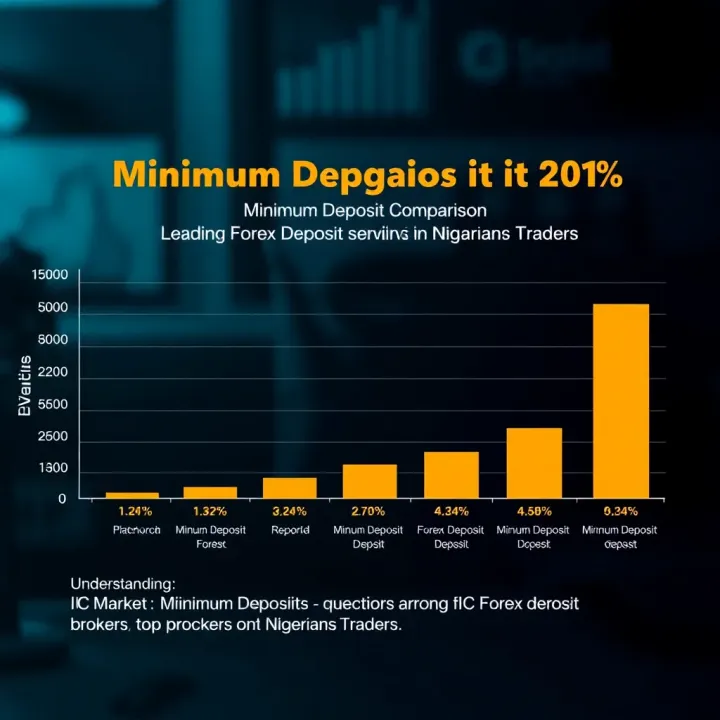
Understanding IC Market's minimum deposit requirements is key for any trader aiming to start smoothly. The minimum deposit sets the basic threshold you need to fund your trading account before you can begin buying and selling forex or CFDs. For Nigerian traders, this means knowing exactly how much naira you need to convert and allocate upfront to avoid surprises.
The minimum deposit varies depending on the type of account you choose. For instance, the Standard Account requires an initial deposit of US$200 (roughly ₦120,000 depending on the exchange rate), which suits beginners or casual traders. The Raw Spread Account, which offers tighter spreads but charges a commission, demands the same $200 minimum. On the other hand, the cTrader Account, preferred by those who want advanced trading tools, also starts at $200. This consistency helps Nigerian traders plan their capital without juggling different requirements.
When it comes to currency options for deposits, IC Market supports multiple currencies including USD, EUR, GBP, and other major currencies. However, Nigerian traders mainly deposit using USD or directly in naira via platforms that convert local currency to US dollars. This flexibility matters because it helps traders avoid unnecessary conversion fees and navigate naira volatility. For example, using a dollar-denominated account may be beneficial during periods when naira loses value since you preserve the US dollar value, reducing risk on your deposited capital.
Capital allocation and risk management start with understanding the minimum deposit. Allocating ₦120,000 or more can seem significant, especially for new traders balancing personal expenses and business costs. But starting with the minimum helps you test the waters without risking too much upfront. It allows you to size your trades properly and manage risk, which is crucial when unfamiliar with forex market swings. A solid example is using the Raw Spread Account to control costs while practising tight risk limits.
The minimum deposit also affects your trading experience and the opportunities available. A higher deposit means access to better account features and potentially greater leverage, but also increases exposure. For Nigerians, starting with the standard minimum keeps options open and lets you gradually learn platform features without being overwhelmed. This approach is sensible considering local market challenges such as unstable internet and power supply, which can affect active trading. In this way, the deposit amount aligns not only with financial capacity but also with practical realities on the ground.
Knowing the minimum deposit upfront is not just about meeting a number – it's about fitting your trading plans into your real-life budget and goals, especially in Nigeria’s unique economic landscape.
By understanding these elements, Nigerian traders can make informed choices, balance risks with opportunities, and set up their IC Market account for sustainable trading success.
For Nigerian traders diving into the IC Market forex and CFD trading, understanding available payment options and how transactions are processed is a game-changer. Depositing funds smoothly translates to quicker market access and reduces frustration over delays or hidden charges. This section walks through practical payment methods and common hurdles, using real Nigerian scenarios.
Bank transfer remains one of Nigeria's oldest and most trusted payment channels. Most IC Market clients fund their trading accounts via direct bank transfers from major Nigerian banks like GTBank, Zenith, or Access Bank. This method often requires visiting your bank or using internet banking. While secure, bank transfers may incur delays especially during public holidays or ember months when banking systems get overloaded. For example, a trader funding ₦50,000 might wait 24 to 48 hours before the deposit reflects in their IC Market account.
USSD and card payments provide more immediacy and convenience. Many Nigerian banks support USSD codes for instant fund transfers without internet access. For instance, using the *389# USSD code with your bank details can enable quick deposits. Similarly, card payments through Visa or Mastercard allow traders to fund accounts instantly online. This is handy when markets move fast and traders can’t afford to wait. However, some cards could face international transaction restrictions or require activation for online usage.
E-wallets and online payment platforms have become increasingly popular among Nigerian traders for their speed and flexibility. Platforms like Paystack, Flutterwave, or OPay enable swift deposits with minimal fees. E-wallets support multiple currencies, which helps manage naira’s fluctuations during transfers to IC Market. This is especially beneficial if you’re topping up your account in US dollars but funding it from your naira wallet. Just keep in mind that withdrawal options from e-wallets may vary and sometimes attract fees depending on the platform.
Naira volatility and exchange rates complicate deposits for Nigerian traders. The naira's value against the US dollar fluctuates often, meaning the amount you see deducted from your bank account might not exactly match what arrives in your trading account. This can impact your actual trading capital. To manage this, traders may prefer using e-wallets that lock favourable exchange rates temporarily or fund accounts during times when naira exchange rates are relatively stable.
Payment processing times vary widely across methods. Bank transfers can take up to two business days, especially when involving forex conversion. USSD and card payments usually process within minutes, but card declines or security flags can cause delays. Traders should verify that their payment method is activated for international or online payments before initiating deposit, avoiding unwanted hiccups during market hours.
Diaspora deposits and currency conversion are common among Nigerians living abroad who want to invest back home. Sending dollars from abroad often involves currency conversion and cross-border transfer fees. To reduce costs, use Nigerian-based online platforms like Flutterwave or Paystack that support international card payments and convert funds at competitive rates. Additionally, coordinating deposits with Nigerian bank accounts linked to local e-wallets can streamline the process and shorten transfer times.
Finding the right deposit method that balances speed, cost, and reliability is essential. Nigerian traders must factor in naira volatility, banking schedules, and international transfer constraints to maintain a smooth trading experience with IC Market.
When deciding where to open a trading account, comparing the minimum deposit requirements is a key step, especially for Nigerian traders managing limited capital or seeking flexible entry points. Understanding how IC Market’s minimum deposit stacks up against other brokers helps traders balance affordability with quality service and risk management. This comparison also reveals practical advantages like exposure to more instruments, trading conditions, and potential hidden costs beyond the deposit amount.
Nigerian traders often consider brokers like FXTM, OctaFX, and HotForex alongside IC Market. IC Market requires a minimum deposit starting from approximately ₦20,000 for the standard account, which is fairly modest given its global reputation. FXTM demands about ₦25,000, while OctaFX offers even lower minimums near ₦10,000, making it tempting for beginners with tight budgets. HotForex sits close to IC Market’s range with ₦20,000 to ₦30,000 as the baseline.
The practical relevance here is in matching deposit size with trading goals. A smaller minimum deposit, like OctaFX’s, allows you to experiment without exposing much capital. But IC Market’s amount secures access to tighter spreads and better execution quality — factors that can improve day-to-day trading outcomes. So, it’s not just about how little you can start with, but also the trading conditions you get.
When considering fees and hidden charges, IC Market is transparent with no inactivity fees or deposit charges, which is reassuring for Nigerian traders wary of costly surprises. Some local brokers may advertise low deposits but compensate with withdrawal fees or profit-sharing structures that shrink gains. For instance, certain brokers charge for withdrawals through bank transfer or USD cards, affecting Nigerian traders who often prefer these channels due to convenience.
Hidden costs can erode your trading capital and cause unexpected frustration. IC Market's combination of no deposit fees, competitive spreads, and zero commission on the standard account helps keep more money in your hands. This clarity improves trading confidence, enabling you to focus on strategy rather than worrying about charges.
International brokers like IG, Saxo Bank, or Interactive Brokers generally ask for higher minimum deposits — from about ₦200,000 to over ₦1 million. While this excludes many retail traders, Nigerian investors benefit from advanced tools, strong regulatory oversight, and diversified asset classes beyond forex and CFDs.
The advantage for Nigerian traders is clear access to deeper liquidity and potentially greater market protection. For example, brokers regulated in the UK or US follow stringent rules that protect client funds, reducing risks linked to fraud or sudden platform switches. Some global brokers also offer multi-currency accounts, which help minimise losses from naira’s volatility when funding your account.
However, Nigerian traders must weigh these safety benefits against higher capital thresholds and often complex onboarding procedures. Regulatory requirements might include proof of address, tax documents, or identity verification steps that can delay account activation. Also, currency conversion fees could inflate costs if naira deposits are converted into foreign currencies.
Comparing IC Market with other brokers reveals trade-offs between affordability, safety, and trading conditions, helping Nigerian traders make informed choices tailored to their financial situation and market goals.
Beginning your trading journey with IC Market requires more than just signing up and making a deposit. You need to handle your capital wisely and understand how to move your funds efficiently. This section offers practical advice to help Nigerian traders manage risks, set appropriate deposit levels, and optimise payment methods to make trading smoother and less costly.
Setting realistic deposit amounts is crucial for Nigerian traders, especially when dealing with forex and CFD markets that can be volatile. Don't rush into placing a large sum like ₦100,000 or more right from the start if you are still learning. Instead, a smaller deposit closer to the minimum required—say around ₦20,000 to ₦50,000—allows you to test the waters without risking excessive funds. This approach helps you grow your experience gradually, avoiding the temptation to overtrade and potentially lose your entire capital prematurely.
Using leverage wisely can amplify both your profits and losses on IC Market's platform. Leverage lets you control larger positions with less money upfront. However, for many Nigerian traders, it's best to start with low leverage ratios, such as 1:10 or 1:20, rather than maxing out at 1:500 just because it’s available. For example, if you deposit ₦50,000 and use 1:500 leverage, a small market swing can wipe the account quickly. Keeping leverage moderate helps protect your capital and keeps stress levels manageable.
When it comes to choosing convenient and cost-effective payment methods, Nigerian traders have plenty of options with IC Market. Bank transfers remain reliable but may take longer and incur higher charges, which adds up over time. Alternatives like USSD payments through your bank or card payments tend to be faster and cheaper. E-wallets like OPay or Paystack-based platforms also offer quick processing and lower fees, which can preserve your trading capital better. Using a payment method widely accepted in Nigeria that fits your comfort level reduces the friction of funding and withdrawing.
Timing your deposits and withdrawals around market conditions is a savvy tactic to avoid unnecessary losses or delays. For instance, try not to make deposits when the naira is particularly weak against the US dollar since that can reduce the effective amount you trade with on IC Market’s USD-based accounts. Similarly, withdrawing profits just before key economic announcements or volatile periods helps secure gains without exposure to sudden market moves. This kind of timing comes with experience but having the awareness early on saves you from avoidable setbacks.
Starting off well with IC Market often sets the tone for your trading success. Plan your capital, choose the right payments, and stay mindful of market timing to build a stronger foundation for consistent profits.
📈 Learn forex market hours in Nigeria 🇳🇬! Discover how global sessions and time zones affect trading, plus tips to boost your trading strategy effectively.

Explore forex trading hours in Nigeria on Sundays 🕒. Learn how global market sessions impact your trades and get tips to trade smart every Sunday 💹.
🌍 Discover Forex market opening hours in Nigeria 🇳🇬, key factors affecting timings, and smart tips to trade effectively within local schedules ⏰📈.

📈 Learn exactly when forex market opens and closes in Nigeria. Get tips on the best trading hours and how global sessions impact your local trades. ⏰
Based on 10 reviews