
Understanding Synthetic Trading Basics and Uses
📈 Learn about synthetic trading, its workings, pros & cons, and how it compares to traditional methods in Nigeria's financial markets. 💼💡
Edited By
Charlotte Reynolds
Contract for Difference (CFD) trading is becoming a popular option for Nigerians hoping to grow their investment portfolio beyond traditional avenues like stocks or real estate. Simply put, a CFD lets you speculate on the price difference of an asset without actually owning it. This could be commodities like oil, stocks listed on the Nigerian Stock Exchange (NGX), forex pairs, or even cryptocurrencies.
CFD trading operates on a contract between the trader and broker. You don’t buy the asset itself; instead, you enter an agreement to exchange the difference in asset price between the moment the contract opens and when it closes. For example, if you think the price of oil will rise, you buy a CFD; if the price indeed increases, the broker pays you the difference. But if the price falls, you owe the broker the loss.
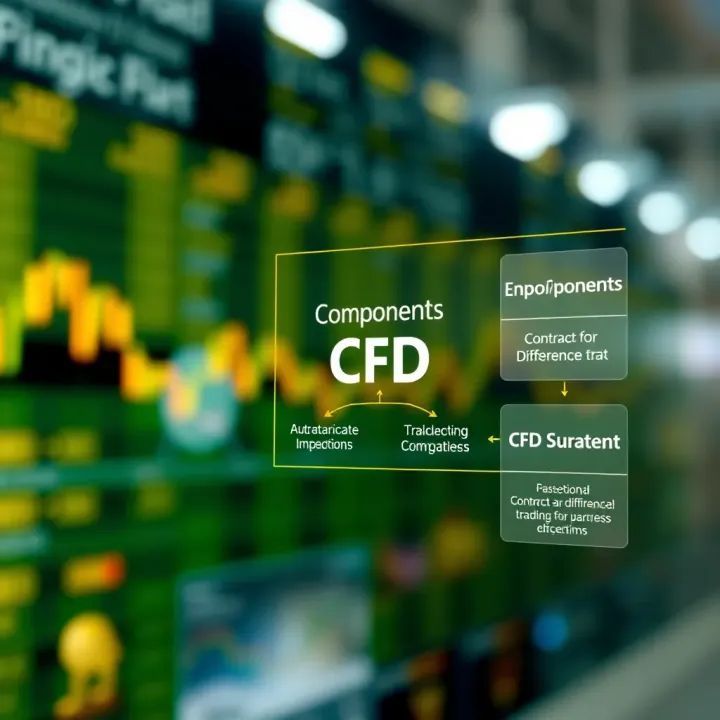
This method allows you to access markets that might otherwise be expensive or difficult to reach—such as foreign stocks or commodities—without paying the full upfront cost. Leverage is a key feature here, meaning you only need to put down a fraction of the asset’s value to open a position. While this can magnify gains, it also increases potential losses, so caution is essential.
CFD trading offers Nigerian investors flexibility and access to a wide range of markets but requires careful understanding of risks and mechanics.
CFDs do not grant ownership of the underlying asset; resale rights, dividends, or voting are not part of the deal.
The Nigerian market context means forex and commodities CFDs might be more volatile due to naira fluctuations, government policies, and global price changes.
Regulation of CFDs in Nigeria is still evolving; traders should carefully choose brokers registered with respected authorities to avoid scams.
Managing leverage and using stop-loss orders can protect your capital from sudden market moves.
Understanding how CFD trading works will prepare you better for the risks and rewards. In Nigeria’s fluctuating economy and often unpredictable exchange rate environment, CFD trading can offer diversification—if you’re disciplined and informed enough to navigate the choppy waters.
Understanding what CFD trading involves is essential for Nigerian investors eager to explore ways to grow their portfolios beyond conventional stocks or bonds. CFDs (Contracts for Difference) offer a practical approach to profit from price movements of assets without actually owning them. This flexibility suits Nigerian traders who want access to both local and international markets without large capital outlays or the hassle of physical delivery or custody of assets.
A Contract for Difference is an agreement between a trader and a broker to exchange the difference in the price of an asset between the time the contract opens and closes. Importantly, you don’t buy or sell the physical asset itself; instead, you speculate on whether the asset’s price will rise or fall. For example, if you believe the price of Shell's shares or crude oil will increase, you enter into a CFD to profit from that price rise, but you never own the actual shares or oil.
Key features of CFDs include:
Leverage: You can open larger positions with a fraction of the total asset value.
Short Selling: Easily profit from falling prices by going 'short'.
Wide Range of Assets: Trade commodities, indices, currencies, and shares from global markets.
These features make CFDs attractive to savvy Nigerian investors who want more trading options.
Unlike traditional stock trading, CFD trading doesn’t involve paying full upfront costs or dealing with share certificates. In stock trading, you buy shares outright and own them, with dividends and voting rights potentially attached. With CFDs, investors purely speculate on price changes, without ownership. This means no delivery costs, no stock transfer delays, and the ability to trade multiple asset types from one platform.
Profits or losses in CFD trading depend on the price difference between when you open and close your position. For instance, if you buy a CFD on Nairametrics share at ₦500 and sell when it hits ₦520, your profit is the ₦20 difference multiplied by the number of units traded. However, leverage amplifies both profits and losses—you might control ₦1 million worth of asset with just ₦100,000 margin, so a small price swing can lead to significant gains or losses.
Leverage in CFD is a double-edged sword; a Nigerian trader might use 10:1 leverage, meaning a ₦10,000 investment controls ₦100,000 in assets. While this boosts potential returns, it also exposes the trader to bigger losses.
Margin plays a critical role as the initial deposit to open a leveraged position. It’s like a security to cover potential losses. If the market moves against you, you might face a margin call, requiring you to deposit more funds to maintain the position. Nigerian traders must monitor margins carefully to avoid forced liquidation by brokers.
Remember, CFD trading allows traders to operate with smaller capital compared to direct stock purchase, but managing leverage and margin calls is essential to prevent severe losses.
In short, understanding CFD mechanics like leverage, margin, and price difference calculations helps Nigerian investors make smarter decisions and tailor their trading to suit the local market realities including naira volatility and broker conditions.
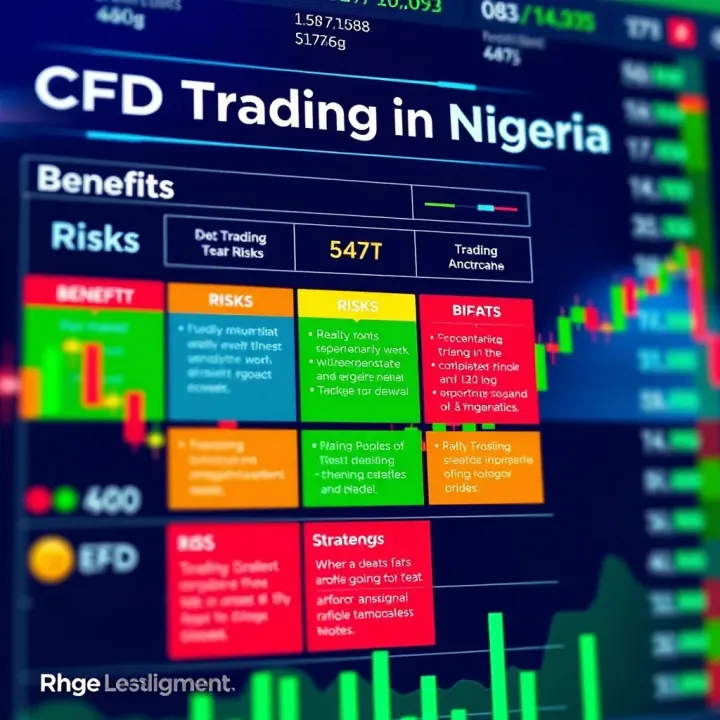
Understanding the benefits and challenges of CFD trading is essential for Nigerian investors aiming to navigate this market successfully. This section breaks down practical advantages that make CFDs appealing, alongside key risks to watch out for, especially within Nigeria’s unique economic and regulatory environment.
Access to global markets
CFD trading opens the door to global financial markets without the need to physically own the underlying assets. Nigerian investors can trade indices like the S&P 500, commodities such as crude oil, or shares from companies listed on foreign exchanges like the London Stock Exchange or NYSE. This access helps diversify portfolios beyond the domestic market, which is especially valuable given the limited variety of stocks on the Nigerian Exchange (NGX).
For instance, an investor in Lagos focusing only on the NGX misses out on sectors like technology or energy that dominate global markets. CFDs let them speculate on these sectors with relative ease through online brokers. This flexibility broadens opportunities, particularly when local economic factors slow down.
Lower capital requirements
Unlike buying stocks outright, CFDs allow investors to control large positions with a smaller amount of capital, thanks to leverage. Say you want to speculate on ₦500,000 worth of a foreign stock; CFD platforms might let you use only ₦50,000 margin to open the same position. This lowers entry barriers, making trading accessible for those with limited funds.
However, smaller capital means you can manage multiple positions or experiment with strategies without tying up too much cash. This is appealing to young investors or traders in Nigeria balancing tight budgets and other expenses.
Flexibility in trading various assets
CFDs cover a wide range of asset classes: stocks, commodities, currencies (forex), indices, and even cryptocurrencies. Nigerian traders can switch between these markets without opening different accounts or dealing with multiple brokers. For example, you might trade CFDs on oil during periods of volatile fuel prices in Nigeria, and then switch to forex CFDs to capitalise on naira fluctuations.
This broad asset access means you can adjust your portfolio quickly in response to market news or economic shifts, a handy feature during Nigeria’s often unpredictable economic cycles.
High leverage risks
Leverage magnifies gains but also losses. In Nigeria, where traders sometimes use excessive leverage hoping for quick profits, it can wipe out accounts rapidly. For example, using 20:1 leverage, a 5% adverse move in the underlying asset could erase 100% of your margin.
Without strict discipline and risk controls, high leverage can cause traders to lose more than their initial investment, leading to debt in some cases. This risk underscores why stop-loss orders and careful position sizing matter.
Market volatility effects
Markets relevant to Nigerians, like oil or the naira currency pairs, are prone to sudden swings due to local or global events — think OPEC decisions or government fuel policies. Such volatility causes CFD prices to jump sharply, increasing the risk of unexpected losses.
For instance, sudden fuel subsidy removals or forex scarcity can trigger price spikes within minutes during trading hours. Traders unprepared for this may find their positions closed out prematurely or suffer slippage.
Regulatory and broker reliability concerns
CFD trading in Nigeria isn’t formally regulated by the Securities and Exchange Commission (SEC) yet, which means investor protections typical in mature markets may lack. Some brokers operating in Nigeria might not comply with best practices or could be outright scams.
Nigerian investors must verify broker credentials carefully, ideally choosing those regulated in reputable jurisdictions (like the UK’s FCA or CySEC) and who provide clear terms, local deposit options, and transparent pricing. Poor broker choice increases the chance of fraud, difficulty withdrawing funds, or technical issues during critical trading moments.
When weighing CFD trading, balancing its broad opportunities with these risks helps Nigerian investors make smarter, safer decisions aligned with their financial goals and market realities.
In CFD trading, having solid strategies is more than just helpful—it’s necessary. Without clear approaches, Nigerian investors risk acting on emotions or guesswork, which can quickly drain capital. Core strategies help to map out when to enter and exit trades, how to manage risks, and how to interpret market signals effectively within Nigeria’s unique market conditions.
Day trading and scalping are popular techniques that many Nigerians adopt for short-term gains. Day trading involves making multiple trades within a single trading session, aiming to profit from small price moves throughout the day. Scalping, a faster subset of day trading, targets very small profits from frequent trades, sometimes holding positions for just minutes or seconds. For example, a trader might scalp a CFD on a popular forex pair by buying and selling rapidly around minor price fluctuations.
This approach demands quick decision-making and access to real-time data platforms, which Nigerian traders must ensure through reliable internet connections and trustworthy brokers. However, the fast pace means high concentration is needed; otherwise, one can suffer heavy losses, especially with leverage working both ways.
Swing trading takes a different stance. Instead of focusing on the daily noise, it tries to capture trends spanning several days or weeks. Swing traders look for assets with clear momentum, entering positions expecting the price to move in a profitable direction before reversing. For instance, a Nigerian trader might swing trade a CFD on a commodity like crude oil, holding for a few weeks to benefit from broader market movements linked to global supply shifts.
Swing trading requires patience and good timing but reduces the stress of constant monitoring. It fits Nigerians who can’t sit before screens all day but still want exposure to market volatility.
Technical analysis plays a huge role in making sense of price movements. Traders analyse chart patterns and indicators to predict future directions. Patterns like head and shoulders, triangles, or double tops give visual cues about potential trend reversals or continuations. Indicators such as Moving Averages (MA), Relative Strength Index (RSI), and Bollinger Bands help quantify these trends and momentum. A Nigerian trader spotting a ‘double bottom’ pattern on a stock CFD could decide to enter a long position anticipating the price will rise.
Relying solely on gut feeling is risky; technical analysis offers a structured way to enter more informed trades.
Volume and trend analysis complements this by measuring how strong price movements are. For example, rising volume during an uptrend confirms genuine buying interest, making the movement more sustainable. Conversely, declining volume in an uptrend might signal that the trend is weakening. Nigerian traders watch volume closely because sudden spikes can precede sharp price changes, especially in volatile markets like forex or commodities.
Properly combining volume data with trend analysis helps avoid false signals, ensuring Nigerian CFD traders make smarter calls rather than reacting hastily.
In summary, adopting established strategies like day trading, swing trading, and using technical tools is vital for success. Nigerian traders who take time to understand these core strategies increase their chances of making consistent profits with CFDs while managing risks wisely.
Navigating CFD trading in Nigeria demands a clear understanding of the regulatory environment and the broker landscape. This knowledge shields you from scams, ensures compliance with Nigerian law, and gives you access to reliable services. A strong regulatory framework offers investor protections, while choosing a trustworthy broker helps guarantee smooth trading, fair pricing, and timely withdrawals.
The Securities and Exchange Commission (SEC) Nigeria plays a vital role in overseeing financial markets and protecting investors. Although SEC primarily regulates stocks and bonds, it has extended its oversight to derivative products like CFDs when offered by locally licensed brokers. Investors should confirm whether their broker holds SEC approval to avoid unregulated entities.
SEC’s role includes licensing brokers, setting operational standards, and enforcing compliance with Nigerian financial laws. This regulatory regime aims to prevent malpractice such as market manipulation or fraudulent offers, providing a safer environment for Nigerian traders. Without SEC endorsement, brokers might operate with limited accountability.
In Nigeria, CFD trading is legal but considered high-risk; it is subject to regulatory oversight that safeguards users from unfair practices. Investor protection mechanisms, like segregation of client funds and clear dispute resolution channels, are part of SEC’s requirements to brokers. These rules reduce the risk of client fund misappropriation.
However, the market still has unregulated platforms targeting Nigerian investors, creating exposure to scams. Therefore, verifying a broker’s legal status and regulatory compliance is critical. It helps you avoid losses not linked to market movements but broker insolvency or unethical practices.
When picking a broker for CFD trading, focus on regulatory credentials first. Confirm SEC registration or regulation by reputable international bodies like the FCA (UK) or CySEC (Cyprus). Next, evaluate the broker’s reputation through user reviews and transparency of fee structures, including spreads and commissions.
Also, assess the platform’s trading tools, ease of deposit and withdrawal methods, and customer support quality. For Nigerian traders, availability of local funding options like bank transfers, USSD, or Nigerian payment platforms (Paystack, Flutterwave) is a big plus. Brokers who cannot support local payment channels might add unnecessary delays or costs.
A handful of CFD brokers have gained popularity among Nigerian traders due to their strong compliance and localised services. For example, HotForex and XM offer both global market access and regulatory transparency. They provide trading apps workable on low bandwidth, which is crucial given Nigeria’s network realities.
Others like IG Markets and Plus500 enjoy global trust but might have limited localisation for Nigerian deposits and withdrawals. Still, many Nigerian investors prefer such brokers for their robust security and comprehensive educational resources.
Choosing a regulated and Nigeria-friendly broker isn't just about convenience; it's about securing your funds and trading experience from unnecessary risks.
Selecting a reputable broker regulated by SEC or respected international bodies will give you peace of mind, better trading conditions, and quicker resolution if anything goes awry. Always do your due diligence before investing your naira in CFD trading platforms.
Managing risks effectively is a must for anyone trading CFDs in Nigeria. Given the volatility of both local and global markets, Nigerian investors must prioritise strategies that protect their capital without stifling growth potential. Likewise, having practical tips tailored for the Nigerian environment, such as dealing with naira fluctuations and payment systems, can make a big difference in actual trading success.
Setting stop-loss orders plays a huge role in controlling potential losses. A stop-loss order automatically closes your position when the price reaches a certain level you set, limiting the damage if the market turns against you. For example, if you buy a CFD on a global oil company at ₦500 per unit, you might set a stop-loss at ₦470, so your loss won’t grow beyond ₦30 per unit. This is especially useful in Nigeria where market news or external shocks can cause sudden price swings.
Besides limiting losses, stop-loss orders help remove emotion from decisions. Traders often hold losing positions hoping the price will bounce back, but a well-placed stop-loss stops excessive losses and keeps your trading discipline sharp.
Avoiding over-leverage is another key risk control tactic. CFDs allow trading on margin, which means you can control a large position with little capital. While this can boost profits, it also magnifies losses. For instance, using 50x leverage means a 2% price drop wipes out your entire invested capital.
Many Nigerian traders get tempted to maximise leverage because capital is often tight, but this approach is risky. It's safer to use moderate leverage, say 5x or 10x, and build your position sizes steadily. Wise risk management involves balancing potential profits with preserving your capital, so you don’t get wiped out by a single market move.
Managing naira volatility is vital when trading international CFDs denominated in dollars or euros. Because the naira’s exchange rate can shift rapidly, your profits or losses in foreign currency might feel less predictable once converted back to naira. For example, a trader might make gains in dollars, but if the naira weakens sharply against the dollar, those gains increase when converted. Conversely, if the naira strengthens, your foreign profits shrink.
To handle this, Nigerian traders should monitor FX rates closely or consider CFDs quoted in naira where possible. Some brokers offer naira trading accounts or hedging tools that help reduce currency risk.
Handling deposits and withdrawals locally also shapes the trading experience. Nigerian traders face limitations like bank restrictions or slow payment channels when funding their CFD accounts or cashing out. Popular fintech solutions such as Paystack, Flutterwave, or direct bank transfers to trusted brokers can speed up these processes.
Choosing brokers with local support, transparent fees for deposits/withdrawals, and prompt payment handling is crucial. Delays or unexpected charges can eat into your trading capital and cause stress, especially during fast-paced market moves.
Effective risk management and practical setup tailored to the Nigerian context are the backbone of successful CFD trading. Protecting your capital while adapting to local market realities raises your chances to trade profitably and sustainably.
By combining solid stop-loss use, sensible leverage, and addressing naira volatility alongside smooth payment solutions, Nigerian investors stand a better chance of navigating the often unpredictable world of CFDs.
📈 Learn about synthetic trading, its workings, pros & cons, and how it compares to traditional methods in Nigeria's financial markets. 💼💡
📈 Learn what trading signals are, how Nigerian investors can apply them effectively, and the risks to watch out for in this practical guide to smarter trading.
📈 Learn how Nigerian investors can use copy trading to mirror expert moves, manage risks, and boost potential gains hands-free. Start smarter investing today!
📊 Learn how margin works in forex trading, understand leverage, manage risks effectively, and boost your trading skills in Nigeria's market.
Based on 12 reviews