
Understanding Login Deriv for Nigerian Traders
🔐 Learn how to log in to Deriv securely, set up your account, fix login issues, and manage internet challenges while trading from Nigeria. 📱💻
Edited By
Benjamin Foster
Trading with real money on Deriv’s platform opens up new opportunities, but it also invites real risks. Nigerian traders often find themselves wondering how to get started with a real account, which stands apart from the familiar demo accounts many use to practise. Understanding how a Deriv real account works is crucial before you put your naira or foreign currency on the line.
A Deriv real account lets you trade actual assets including forex, indices, commodities, and cryptocurrencies. Unlike demo accounts that use virtual funds, real accounts involve your genuine capital, which means every trade has direct financial consequences. This reality often influences traders’ mindset and strategy, pushing for more disciplined risk management.
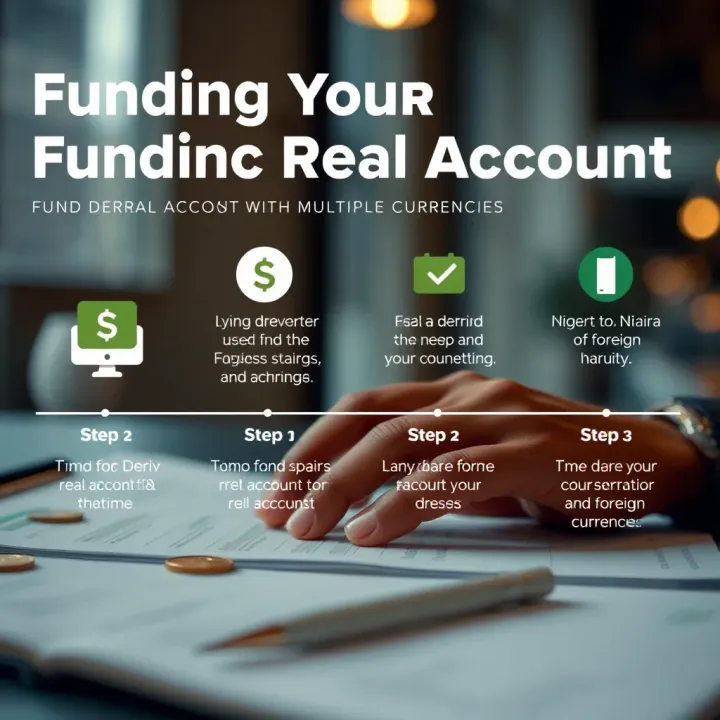
Opening and funding a Deriv real account requires a few straightforward steps:
Sign up with your valid email and personal details.
Complete identity verification (a mandatory step, aligned with Customer Due Diligence rules).
Fund your account through local banks, USSD transfers, or recognised payment platforms like Paystack and Flutterwave, supporting deposits in ₦ or other currencies.
Besides getting started, Nigerian traders face unique challenges such as naira volatility and fuel costs affecting internet stability, all of which can impact execution speed and decision-making during trades.
Important: Fund your Deriv real account using reliable payment methods and avoid transferring from unknown sources to prevent delays or account blocks.
Compared to demo accounts, real trading demands handling emotions, managing losses, and sticking to trading plans. For Nigerian traders, it’s advisable to start small, monitor the market closely especially during market volatile periods like ember months or post-NAIRA policy announcements.
Also, keep in mind these trading tips:
Always use stop-loss orders to limit potential losses.
Avoid overtrading or chasing losses.
Keep a trading journal to track what works or doesn’t.
Understanding these basics will help you approach Deriv’s real account responsibly, aiming for sustainable profits rather than quick wins.
A Deriv real account is a live trading account on the Deriv platform, designed for actual market transactions with real money. Unlike demo accounts, it lets traders buy and sell financial assets, such as forex pairs, commodities, indices, and cryptocurrencies, using their funds. For Nigerian traders, this distinction is crucial because trading on a real account means dealing with real profit and loss, and engaging with live market conditions.
Deriv is an online trading platform offering diverse markets and asset types. It provides access to forex, commodities like gold and oil, stock indices such as the Nasdaq, and digital currencies including Bitcoin. Its user-friendly interface supports both beginners and experienced traders, offering web and mobile apps. Deriv also features different trading modes like options trading and multipliers, catering to various risk appetites and trading styles. This flexibility helps Nigerian traders adapt to volatile markets and manage their strategies effectively.
The primary purpose of a Deriv real account is to enable genuine trading where financial outcomes affect the trader's capital. This brings several benefits. First, it provides access to live market prices and conditions, allowing traders to apply their strategies realistically. Second, earning profits and managing losses in real time builds practical skills and market understanding. Third, real accounts often include better trading tools, such as advanced charting, risk management features, and access to customer support. For example, a trader in Lagos using a Deriv real account can take advantage of tools like stop loss orders to protect capital, which is not possible in demo trading.
While both types of accounts exist on Deriv, they serve different purposes. A demo account uses virtual money to let traders practise without risking capital; it mimics market conditions but without real financial impact. In contrast, a real account requires depositing actual money, meaning traders face genuine financial risk and reward. One common misconception among Nigerian traders is treating demo success as a guarantee for profits in real trading, but real accounts demand discipline and emotional control. For instance, the jitters and concerns when real money is on the line often affect decision-making drastically compared to demo trading.
Using a Deriv real account means stepping into the actual trading arena—where skills, strategy, and psychological readiness determine your success. It's a serious yet rewarding step for traders ready to engage with real markets.
Understanding these basics gives Nigerian traders a solid starting point to navigate the Deriv platform more effectively and to prepare for the realities of genuine trading.
Setting up and verifying a Deriv real account is a key step for anyone serious about trading. This process confirms your identity, secures your transactions, and grants you full access to Deriv’s markets and tools. For Nigerian traders, knowing the right steps avoids unnecessary delays or account suspensions, especially where compliance with local and international regulations matters.
Opening a Deriv real account begins on the official Deriv website or mobile app. First, provide essential details like your full name, email address, and phone number. Deriv will prompt you to create a secure password — using a mix of letters, numbers, and symbols ensures better protection. Next, you’ll need to select your country of residence; Nigerian traders must ensure this is accurate to enable relevant payment options.
After submitting your details, Deriv sends a confirmation email. Clicking the provided link verifies your email and activates your account for login. At this stage, you can start exploring demo accounts, but meaningful trading requires completing the verification stage.
Deriv requires identity checks to ensure compliance with anti-money laundering (AML) and know-your-customer (KYC) rules. To verify your account as a Nigerian trader, prepare a government-issued photo ID such as your National Identity Number (NIN) card, international passport, or driver’s licence. The document must be valid and clear enough to read.
Besides identification, proof of address is necessary. A recent utility bill, bank statement, or tenancy agreement dated within the last three months usually suffices. The address on these documents must match the one you provided during registration, or Deriv may ask for clarification.
Uploading these documents is straightforward on the Deriv platform. Ensure that photos or scans are sharp and complete; blurred or cropped images commonly cause verification setbacks.
Verification hiccups often arise from poor-quality document images, mismatched information, or expired papers. For example, if your uploaded utility bill is older than three months or shows a different address, Deriv will flag the error.
To solve such problems, review the documents before submission, making sure details like name spellings and addresses match the registration form exactly. If your ID is expiring soon, consider renewing it before applying to avoid repeated steps.
Technical glitches on the platform or slow internet can also disrupt uploads. In these cases, retry with a stable connection or switch browsers. If issues persist, Deriv’s customer support is accessible via live chat or email to guide you through.
Completing your Deriv account verification not only unlocks full trading capabilities but also protects your funds and personal data, making it a necessary hurdle for safe trading.
Following these clear steps will ensure your account is ready for funding and trading without unnecessary delay, especially valuable for Nigerian traders navigating both local and international regulations.
Funding your Deriv real account properly is a vital step in ensuring smooth trading without hiccups. In Nigeria, where fluctuations in the naira and payment system challenges often complicate online transactions, knowing how to add funds safely helps you avoid delays, loss, or fraud. Let’s break down the payment options, secure deposit methods, and withdrawal tips that suit Nigerian traders.
Nigerian traders have access to a variety of payment channels to fund their Deriv accounts. Local options like bank transfers through GTBank, Access Bank, or Zenith Bank remain popular because of their relative speed and security. Mobile money platforms such as OPay, PalmPay, and Paga also offer convenient wallets for quick deposits.
Stress-free deposits might also come from card payments—Naira and dollar Mastercard or Visa cards issued by Nigerian banks are widely accepted. Plus, global payment systems like Skrill and Neteller serve traders who want to fund their accounts in foreign currency. However, these sometimes involve extra charges or exchange overheads.
While e-wallets and bank transfers are the mainstay, always confirm whether your chosen method is supported at the time, because Nigerian financial regulations and CBN policies can influence payment availability.
Security should be your top priority during deposits. When funding your Deriv account, always use official payment gateways presented on the platform to avoid scams. Avoid sharing your login credentials or card details with third parties. For instance, if you use a bank transfer, double-check the account details before sending money.
When using mobile wallet services like OPay, initiate transfers directly through their apps and confirm the transaction with alerts or OTP codes. This reduces the risk of mistakes or phishing.
Also, consider network stability—delayed transactions due to poor internet can cause double payments or transaction failures. Try funding during stable hours, avoiding ember months when networks tend to be strained.
To keep your funds safe, always activate two-factor authentication (2FA) on your Deriv account if available, and monitor your bank or wallet statements regularly.
Withdrawing profits from your Deriv account should be straightforward but Nigerian traders often face holdups because of documentation or exchange rates. To prevent this, ensure your account verification is complete before initiating withdrawals, matching your withdrawal method and currency to your deposit channels where possible.
For example, if you deposited via GTBank transfer in naira, withdrawing back into your GTBank account avoids conversion delays. Using Skrill or Neteller for both deposit and withdrawal also speeds up fund movement.
Timing matters too. Banks in Nigeria typically process transactions within 24 to 48 hours during business days; avoid weekends or public holidays to prevent unnecessary wait times.
If withdrawal delays occur, contact Deriv customer support with your transaction ID handy, and check your local bank or wallet for any pending confirmations.
Funding your Deriv real account safely is about choosing the right payment method, securing your deposits, and navigating withdrawals carefully. Taking these steps helps you trade without unnecessary interruptions, especially in Nigeria's dynamic financial environment.
Understanding the key features and available trading options on a Deriv real account helps Nigerian traders make informed decisions and manage their investments better. This section highlights the asset classes, trading platforms, and risk management tools that Deriv offers, which are vital for effective trading in Nigeria's fluctuating economic environment.
Deriv gives access to a wide range of assets, including forex currency pairs, commodities, synthetic indices, cryptocurrencies, and stock indices. For example, traders can speculate on forex pairs like USD/NGN or EUR/USD, benefiting from market movements whether the naira is strong or weak. Commodity trading covers gold and crude oil, popular among traders looking to diversify. Synthetic indices are unique to Deriv and simulate market volatility 24/7, offering constant trading opportunities regardless of real-world market hours. Meanwhile, cryptocurrencies such as Bitcoin and Ethereum feature prominently, catering to the growing crypto interest across Nigeria.
This variety allows traders to respond to different market conditions and personalise their portfolios—whether they prefer short-term scalping or long-term positions. Such diversity is essential for Nigerian traders exposed to currency volatility and global market influences.
Deriv supports multiple platforms, including DTrader, DBot, and DMT5 (MetaTrader 5). DTrader is user-friendly and great for beginners, with clean charts and one-click trading. DBot offers automated trading, letting traders build simple bots without coding knowledge—a practical option for Nigerians who can't monitor the market continually during busy days.
DMT5 is a professional-grade platform, favoured by experienced traders due to its advanced charting, technical indicators, and support for multiple order types. It allows seamless switching between assets and multiple accounts.
Additional tools include real-time charts, economic calendars, and volatility alerts, empowering traders to make decisions based on current data. These platforms are accessible via desktop and mobile, letting Nigerian traders follow the market even in traffic jams or at the mama put.
Risk management on Deriv real accounts is robust, essential for trading safely in Nigeria’s market where factors like naira depreciation and price swings are common. Features include stop-loss and take-profit orders, allowing traders to limit potential losses and lock gains automatically without constant monitoring.
Deriv also offers negative balance protection, ensuring traders cannot lose more than their deposited capital—a crucial safety net for those new to leveraged trading. Furthermore, segregated client accounts mean user funds are held separately from the company’s operating funds, boosting security.
Effective risk management tools help you trade confidently, even amid naira's ups and downs, reducing the chance of sudden surprises.
In summary, Deriv’s real account combines diverse assets, flexible platforms, and safety nets to equip Nigerian traders for practical, successful trading. Knowing these features lets you plan your trading style and protect your capital thoughtfully.
Trading on Deriv from Nigeria involves specific challenges, especially with currency fluctuations, regulatory requirements, and common trading pitfalls. These tips address practical issues, helping Nigerian traders use their Deriv real account more effectively and safely while managing the uncertainties of the local environment.
Naira volatility can impact your deposits and withdrawals on Deriv. Since the naira often shifts against major currencies like the US dollar or euro, the amount you fund or receive might vary significantly within days or even hours. To mitigate this, consider using stable payment channels that offer better exchange rates or allow you to lock in rates, such as trusted Nigerian fintech platforms or bank transfers during off-peak forex demand. Also, avoid funding or withdrawing during ember months or election periods when naira tends to weaken sharply.
Besides timing, keep a close eye on transaction fees charged by intermediaries or platforms, which can add up quickly. Mistiming your withdrawal during a naira dip, for instance, could cost you lucrative profits earned on Deriv’s platform. One practical approach is to fund your account with slightly more naira than the trading value you want to maintain, building a buffer against sudden naira depreciation.
Nigeria’s regulatory environment around online trading is complex, with oversight from agencies like the Securities and Exchange Commission (SEC) and the Central Bank of Nigeria (CBN). It matters to stay compliant to avoid account freezes or legal hassles. Always verify your identity with valid documents as required by Deriv, and keep your Nigerian Identification Number (NIN) and Bank Verification Number (BVN) handy.
Also, report your foreign earnings properly for tax purposes using the Federal Inland Revenue Service (FIRS) guidelines, as undeclared trading income could invite penalties. It’s wise to consult with a financial advisor knowledgeable about Nigerian tax law and forex rules, especially if your trading activity grows.
Successful trading on Deriv in Nigeria is not only about market knowledge but understanding how local currency and regulation affect your funds.
Many Nigerian traders fall into avoidable traps when using their Deriv real account. First, do not confuse demo account success with live trading; emotional control matters when real money is on the line. Avoid overtrading as it increases exposure and transaction costs.
Second, neglecting proper risk management reduces your chances of steady returns. Always set stop-loss orders and diversify your asset choices to buffer against market swings. Third, don’t ignore the platform’s terms of service or withdrawal policies, as missing small print details can delay payments or lock funds.
Last, avoid using unofficial or unsecured payment methods for funding your Deriv account. Sticking to recognised Nigerian banks and fintech platforms reduces fraud risk. Traders should also resist chasing losses, a habit that can drain capital quickly.
Following these tips sharpens your approach, cuts unnecessary risks, and lets you tap Deriv’s full potential while navigating Nigerian trading realities effectively.
🔐 Learn how to log in to Deriv securely, set up your account, fix login issues, and manage internet challenges while trading from Nigeria. 📱💻
Learn how Deriv works in online trading, its benefits, risks, safety tips, and how Nigerians can use it smartly 📈💡💰

Discover how OctaFX serves Nigerian traders with clear account types, strong regulation, and trusted platforms. Get practical advice for safe forex trading 💹💰
Learn how FBS bonuses work and how Nigerian traders can claim, use them, and beat the odds in forex trading 🚀. Get tips tailored for 🇳🇬 traders!
Based on 5 reviews