
Understanding OctaFX for Nigerian Traders
Discover how OctaFX serves Nigerian traders with clear account types, strong regulation, and trusted platforms. Get practical advice for safe forex trading 💹💰
Edited By
Thomas Blake
MetaTrader stands as one of the favourite trading platforms for forex and CFD traders in Nigeria. Its popularity comes from a user-friendly interface paired with powerful tools that help traders analyse the market and make informed decisions. If you’re starting out or trying to sharpen your skills in trading, knowing how MetaTrader works can make a big difference.
Most Nigerian traders access MetaTrader through either MetaTrader 4 (MT4) or MetaTrader 5 (MT5). While MT4 focuses mainly on forex trading, MT5 supports a wider range including stocks, commodities, and indices. This flexibility suits Nigerians who want to diversify beyond just forex pairs like USD/NGN or EUR/USD.
Setting up the platform is straightforward. You can download MetaTrader from your broker’s website or directly from MetaTrader’s developer, MetaQuotes. Always ensure you choose a reputable broker to keep your funds safe. After installation, you’ll get instant access to real-time price charts, trading signals, and automated trading capability.
Nigerian traders should pay close attention to local challenges such as naira exchange rate volatility and power supply instability. MetaTrader’s offline access to charts and alerts can help mitigate some of these issues, but steady internet is still essential.
Understanding the core features is key:
Charts & Timeframes: Switch between minute charts to monthly views to monitor market trends.
Technical Indicators: Tools like Moving Averages, RSI, and MACD guide decisions on when to enter or exit trades.
Order Types: Place market orders or pending orders such as limit and stop-loss to manage your risk.
For example, if you trade USD/NGN on MetaTrader, setting a stop-loss order helps protect against sharp naira depreciation during forex market swings.
In summary, MetaTrader offers a solid foundation for quality trading in Nigeria’s often unpredictable market. Getting comfortable with its essential tools will set you up to trade more safely and effectively, whether from Lagos, Abuja, or anywhere in Nigeria.
MetaTrader is a major gateway for many Nigerians diving into forex and CFD trading. It’s a platform that combines power with simplicity, letting users trade currencies, commodities, and indices with direct access to global markets. Nigerians turn to MetaTrader primarily for its practical features tuned to local needs — such as ease of access, reliable performance even on unstable internet connections, and tools that cater to various skill levels.
MetaTrader 4 (MT4) and MetaTrader 5 (MT5) are the two main versions. MT4, released in 2005, mainly focuses on forex trading and has a user-friendly interface. MT5 came later with added features like support for more asset classes (stocks, futures), advanced charting tools, and a built-in economic calendar. For Nigerian traders, MT4 remains highly popular for forex due to its simplicity and wide broker support. MT5, on the other hand, appeals to more advanced users wanting multi-asset trading and deeper market analyses.
Both platforms allow the use of Expert Advisors (EAs) for automated trading, support mobile and desktop versions, and offer robust security. However, MT5’s newer architecture supports faster trade execution and more technical indicators – features important for traders who want a bit more than just basic forex tools.
MetaTrader's widespread acceptance in Nigeria stems from its availability through regulated brokers registered with the Securities and Exchange Commission (SEC) Nigeria. Many brokers offer tailored accounts for Nigerian clients, with naira funding and integration with local banks.
What makes MetaTrader stand out is its adaptability to the Nigerian trading environment — for example, it runs smoothly on low-cost smartphones and handles intermittent network challenges better than some competing platforms. Traders in Lagos, Abuja, and other cities use it daily for its reliability and the plethora of educational resources available to novices and pros alike.
MetaTrader platforms provide an intuitive design that beginners find less intimidating. The setup process is straightforward, with clear menus to open trades, set alerts, and monitor accounts, making it ideal for traders still building their confidence. For example, a new trader in Ibadan can start a demo account on MetaTrader 4 within minutes, experimenting without financial risk.
For Nigerian traders looking to scale up, MetaTrader’s support for Expert Advisors (EAs) is invaluable. EAs allow trading strategies to run automatically based on preset rules, reducing the strain of constant monitoring. This feature is especially helpful for traders balancing trading with other jobs or businesses which is quite common in Nigeria’s bustling markets.
Given the challenges with consistent internet and power supply in many parts of Nigeria, MetaTrader’s lean data footprint helps traders maintain access without getting disconnected. The platform can run on as little as 2G or 3G mobile networks effectively, keeping traders connected even amidst Lagos traffic snarls or power outages.
MetaTrader’s blend of accessibility, automation, and efficient data use makes it a top choice for Nigeria’s growing community of online traders.
This combination of practical advantages explains why MetaTrader remains a go-to solution for Nigerians aiming to engage seriously with forex and CFD markets.
Starting your MetaTrader journey properly is critical, especially in Nigeria where trading opportunities abound but so do hurdles like network inconsistency and broker scams. This section guides you through how to download, install, and set up MetaTrader confidently, ensuring you're prepared to trade safely with local considerations in mind.
MetaTrader 4 (MT4) and MetaTrader 5 (MT5) are the two leading platform versions. MT4 remains popular among Nigerian traders for its simplicity and wide broker support. MT5 offers advantages like more timeframes, extra technical indicators, and the ability to trade stocks and commodities alongside forex. However, not all Nigerian brokers support MT5 fully, so checking your broker's offerings is wise before deciding. If you’re mainly focused on forex with straightforward needs, MT4 suffices, but traders seeking broader asset classes might find MT5 more useful.
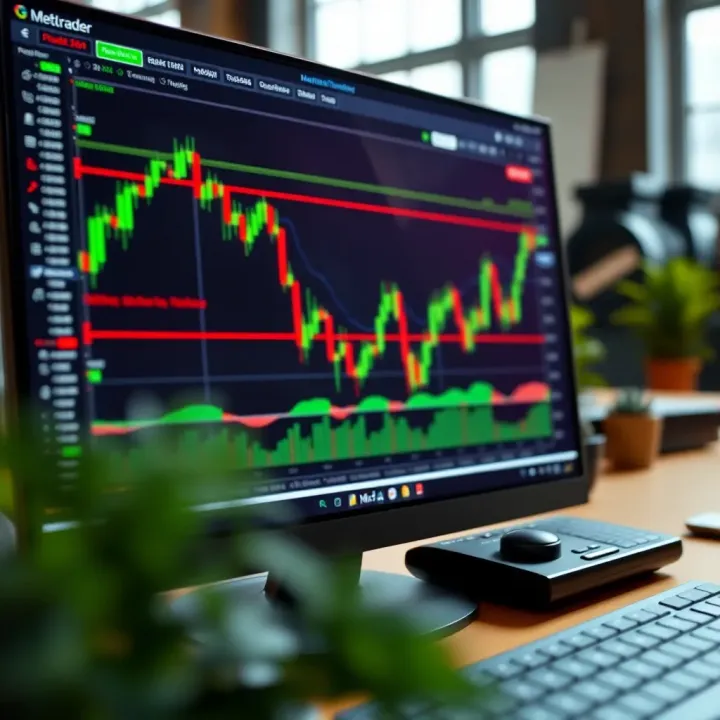
Downloading MetaTrader from official sources like MetaQuotes (the developer) or your broker’s verified website is crucial. Avoid sites offering cracked or unofficial versions, which may contain malware or restrict full functionality. Using official downloads guarantees software integrity and smooth updates. Many Nigerian brokers also provide MetaTrader download links within their client portals, ensuring safe installation.
Installing MetaTrader on a PC is straightforward: download the setup file, run the installer, and follow the prompts. For mobile devices, both MT4 and MT5 apps are available on Google Play Store and Apple App Store. The mobile apps are essential for Nigerian traders often on-the-go due to traffic jams or power outages. Ensuring your device meets minimum system requirements helps avoid crashes and lag during busy trading hours.
Choosing a broker registered with the Securities and Exchange Commission (SEC) Nigeria protects you from fraudulent operators. Registered brokers comply with local regulations, offering more transparent trading conditions and proper dispute resolution. Examples include reputable brokers like FXTM Nigeria or local subsidiaries of global firms. Verifying a broker's SEC registration on the commission’s website is a must before committing funds.
KYC (Know Your Customer) checks are mandatory for legitimate brokers to comply with Nigerian law and anti-money laundering rules. This process involves submitting valid identification documents such as a National Identity Number (NIN), passport, or driver’s licence. Nigerian traders should expect account verification to take a couple of days, depending on document quality and broker efficiency. Completing KYC early ensures uninterrupted access to deposit and withdrawal functions later.
Funding your MetaTrader account seamlessly in Nigeria relies on linking a local bank account. Most brokers accept funding via bank transfers, debit cards, or e-wallets. USSD transfers are particularly popular due to their convenience and low cost; platforms like GTBank and Zenith support direct USSD deposit to broker accounts. For example, you can transfer funds using a short code (e.g., *737# for GTBank) straight from your mobile phone without internet, a plus during power or network disruptions. Confirm acceptable deposit methods with your broker and any minimum funding required before you start trading.
Taking time to properly download, install, and set up MetaTrader with a trustworthy broker sets the foundation for a steady trading experience tailored to Nigeria’s unique environment. This reduces risks linked to broker scams, software issues, and funding delays.
With a solid MetaTrader setup, you’re ready to explore charts, indicators, and trading strategies that put you ahead in Nigeria’s active forex market.
MetaTrader is favoured by traders because of its rich features that support both beginners and pros. Getting familiar with these core tools helps Nigerian traders make sharper decisions and execute trades more efficiently. This section breaks down the platform's essential features, showing how each can improve your trading outcomes.
Popular indicators like Moving Averages, MACD (Moving Average Convergence Divergence), and RSI (Relative Strength Index) are staples among Nigerian traders. These help spot market trends, momentum shifts, and potential reversal points. For example, many traders use RSI to gauge if USD/NGN is oversold or overbought, which guides buy or sell decisions.
Applying and adjusting these indicators on MetaTrader is straightforward. Just a few clicks allow you to add indicators to your chart and tweak their parameters to suit your strategy. You could set a Moving Average period of 50 or 200 days depending on whether you want shorter or longer trend visibility. This customisation helps you tailor your analysis to specific assets or timeframes.
Customising charts itself brings clarity. Change chart types from candlesticks to line or bar charts, pick colour schemes for easier reading, or overlay multiple indicators simultaneously. For Nigerian traders, setting timeframes that align with market sessions—like London or New York markets—helps catch crucial price movements.
Understanding different order types is essential for effective execution. Market orders buy or sell instantly at the current price, useful for entering quickly in volatile markets. Limit orders let you set a specific price to enter or exit, often used when waiting for a better price. Stop orders help limit losses by triggering an exit if the price moves against you. Pending orders allow a future trade if certain conditions are met without constant monitoring.
Placing trades step-by-step on MetaTrader involves opening the order window, selecting the instrument, order type, and size, then confirming the trade. This streamlined flow is handy for Nigerian traders who want to act fast on short-term opportunities amid fluctuating naira rates.
Once trades are open, managing them effectively is vital. Setting stop losses and take profits automatically closes positions at your set price points, protecting you from big losses and securing profits despite unpredictable market moves. This is especially useful during ember months when markets tend to be more volatile.
Expert Advisors (EAs) are software programs that can automate your trading using pre-set rules. They scan the markets 24/7 and execute trades without emotional bias. Many Nigerian traders use EAs to remove human error and stay active even when away from their desks.
Installing EAs on MetaTrader involves downloading the EA file and adding it to the platform's ‘Experts’ folder, then activating it on your chart. Careful setup ensures it runs smoothly, monitoring trades according to your chosen strategy.
Automated strategies come with pros and cons. While EAs can handle multiple trades swiftly and keep emotions out, they also risk executing poor trades during unexpected market changes like CBN policy shifts. Therefore, monitoring your EAs regularly and combining automated tactics with personal judgement is a smart approach.
Mastering MetaTrader's core features empowers you to trade smarter, reduce risks, and adapt to Nigeria’s unique market conditions.
By focusing on these key tools, you position yourself better to make quick, informed decisions that match the dynamics of local and global trading scenes.
Trading on MetaTrader in Nigeria comes with unique challenges that affect your ability to execute trades smoothly and safely. Understanding these hurdles helps you plan better and avoid losses, especially given local realities such as power instability, internet issues, and risks from unregulated brokers. This section covers key pain points Nigerian traders often encounter and how to navigate them effectively.
Power outages remain a major stumbling block for many Nigerian traders using MetaTrader. A sudden NEPA blackout or even a brief generator failure can disrupt your trading session, causing missed opportunities or unintended order executions. Since MetaTrader relies on real-time data streams, losing connectivity even for a few seconds may affect chart accuracy and order placement. For instance, someone trading the USD/NGN pair during a critical Central Bank rate announcement could miss price spikes during a blackout.
To cope, many traders invest in reliable generators and uninterruptible power supplies (UPS) to keep their devices running. Also, working from locations with stable electricity—like business centres or coworking spaces—can reduce unexpected downtime. Remember, MetaTrader does not store offline trades, so maintaining continuous connection is vital.
Given the patchy fixed broadband infrastructure in Nigeria, most traders rely heavily on mobile data. However, MetaTrader's real-time updates can quickly drain your data bundle, especially when using multiple charts or automated expert advisors. To manage costs, Nigerian traders often:
Opt for MT4, which is lighter on data usage than MT5.
Limit chart timeframes and indicators running simultaneously.
Use Wi-Fi hotspots in stable areas for heavy analysis sessions.
Efficient data use means you can monitor the market for longer without abrupt disconnections or excessive costs. Plus, network providers like MTN, Airtel, and Glo often offer special packages or dedicated trading/data plans worth exploring.
The Nigerian forex market is sensitive to global shifts—oil price fluctuations, US Federal Reserve decisions, or geopolitical tensions can swing the USD/NGN exchange rate sharply. For example, during sudden oil supply disruptions, the naira often weakens, impacting trading positions unexpectedly.
Being aware of these external forces helps traders anticipate volatility spikes. Many Nigerians monitor CBN announcements, oil prices, and international news to stay ahead. By aligning your MetaTrader alerts with such events, you can better time your entries or exits to protect capital and seize opportunities.
MetaTrader offers critical tools like stop-loss orders and take-profit levels to manage risk, which are essential in Nigeria's volatile environment. For example, setting a stop-loss on USD/NGN can limit a position's loss if the market moves abruptly, preventing a total wipeout.
Besides orders, regularly using the platform’s risk calculators lets you know how much you’re risking per trade. Nigerian traders often combine this with disciplined money management—risking no more than 1-2% of their capital on any single trade. This practical approach reduces the chance of big losses when markets turn unexpectedly.
Broker scams remain a threat in Nigeria’s booming retail forex space. To avoid falling victim, always confirm your broker is registered with the Securities and Exchange Commission (SEC) Nigeria. Legitimate brokers operate transparently and follow local financial rules. Checking SEC’s official lists and looking for physical office addresses or contact numbers helps verify credibility.
Also, reputable Nigerian brokers integrate local payment methods like USSD, direct bank transfers, or even Flutterwave and Paystack for deposits—signs of a trustworthy setup.
Watch for brokers promising unrealistic returns or those insisting on huge deposits upfront. Unsolicited cold calls pushing urgent investments or requiring your BVN and account details immediately are suspicious. Also, beware platforms with poor customer service, unclear withdrawal procedures, or overly complicated login processes.
To protect your information, use strong, unique passwords and enable two-factor authentication on your MetaTrader account. Always download the trading app from official sources and keep your device’s security software updated to reduce risks from malware or phishing.
Staying alert and prepared helps Nigerian traders navigate MetaTrader with confidence, turning challenges into manageable elements of your trading strategy.
Improving your grasp and skill with MetaTrader doesn't just make your trading smoother—it boosts your chances of success. For Nigerian traders, this means practical moves like practising safely, staying alert to local economic shifts, and tuning your platform to reflect our unique market landscape. These tips help you trade smarter in an environment where naira fluctuations and economic updates play a big role.
Demo accounts offer a safe space to get familiar with MetaTrader’s tools and the dynamics of trading without risking real money. This practise lets you test strategies, try out order types, and understand market movements – all with virtual funds. For someone starting out, it’s a way to build confidence step by step.
Transitioning from demo to live trading requires care. Your emotional response changes when the real naira is on the line. Begin with small trades and set strict risk limits. It's easy to get carried away when moving to live accounts, but pacing yourself helps limit big losses early on. Many Nigerian brokers also offer tutorials and support during this switch.
To trade wisely, monitor announcements from the Central Bank of Nigeria (CBN) and other key financial sources. CBN policies on interest rates, foreign exchange (FX) restrictions, and monetary measures often move the naira and the market sharply. Nigerian news outlets, financial websites, and official CBN publications can keep you updated.
News events affect prices of currency pairs, commodities like crude oil, and local indices listed on the Nigerian Exchange (NGX). For example, an unexpected CBN forex policy change can cause the naira to slide, impacting USD/NGN trades. Being aware of such developments helps you react promptly and adjust your trading strategies accordingly.
Setting alerts on MetaTrader for naira exchange rate movements can be a game changer. Instead of constantly checking prices, alerts notify you when rates hit targets you've set. For instance, if the naira weakens past ₦500 to the dollar, an immediate alert lets you decide whether to buy, sell, or hold without delay.
Integrating local indices like the NGX All-Share Index or commodities such as crude oil into your MetaTrader watchlist grounds your trading in the Nigerian context. This way, you track instruments that matter here rather than relying solely on global assets. Knowing how domestic factors influence these can refine your decisions and timing.
Tailoring your MetaTrader experience to Nigeria’s specific market conditions can transform how you trade, making each move more informed and relevant.
Discover how OctaFX serves Nigerian traders with clear account types, strong regulation, and trusted platforms. Get practical advice for safe forex trading 💹💰
🔐 Learn how to log in to Deriv securely, set up your account, fix login issues, and manage internet challenges while trading from Nigeria. 📱💻
Learn how FBS bonuses work and how Nigerian traders can claim, use them, and beat the odds in forex trading 🚀. Get tips tailored for 🇳🇬 traders!

📊 Discover how prop firms work and how Nigerian traders can join them. Learn the benefits, risks, and practical tips to thrive in trading with ₦ on your mind.
Based on 14 reviews