
Hantec Markets Review: Features & Suitability for Nigerian Traders
Explore Hantec Markets for forex & CFDs trading in Nigeria 🇳🇬. We review its regulation, trading conditions, platforms, support, and fit for Nigerian traders 📊💹.
Edited By
Sophie Reynolds
Trust is the backbone of trading within Nigerian markets, where countless transactions happen face to face daily. Whether at bustling trade hubs like Balogun Market in Lagos or the sprawling markets in Kano, traders have built credibility that goes beyond the goods they sell. Their success depends heavily on how much customers believe in their honesty, product quality, and fair dealings.
In Nigerian business cultures, reputation travels fast — a trader known for delivering genuine tokunbo items or freshly harvested cassava at fair prices quickly gains loyal customers. This trust is not just from past transactions but also how traders communicate clearly and keep promises. For example, a trader who openly answers questions about product origin or price and is ready to negotiate respectfully earns respect and repeat business.
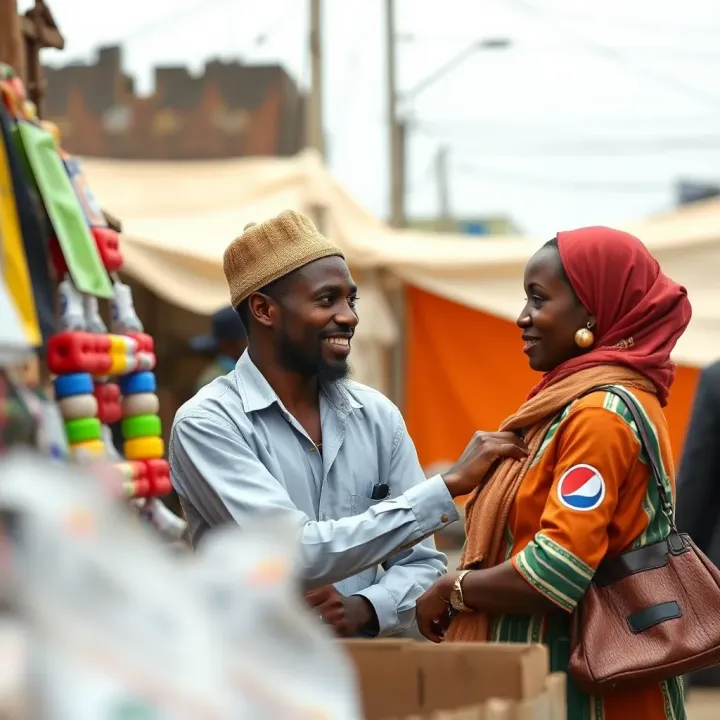
Traditional trading practices still hold strong, especially where community ties matter. Traders often rely on word of mouth, personal relationships, and shared histories to establish trust. In rural markets or smaller towns, a trader's association with a trustworthy family can make or break their business. Nonetheless, this tradition blends with modern methods — using mobile money platforms like OPay or Paystack to offer transparent and secure payments adds another layer of confidence.
Effective communication and consistency in quality are what make traders stand out in Nigerian markets. Reliability creates a long-lasting bond better than any short-term discount.
Practical steps traders take involve maintaining product authenticity, honouring delivery times, and handling customer complaints swiftly. These actions reinforce the belief that the trader values the relationship, not just the sale.
In brief, Nigerian traders win trust by combining clear, honest communication with reliable delivery and respect for traditional business ethics. This blend helps them stay competitive in a market where every naira counts and customers are discerning.
A trader’s reputation is the bedrock of their credibility in Nigerian markets. It influences not only first-time buyers but also loyal customers who keep returning. In sectors where formal regulations may be lax, reputation serves as an informal guarantee of integrity and reliability. For example, a clothing seller at Balogun Market who consistently offers original Ankara fabrics will quickly build a reputation that spreads across the market circle.
Word-of-mouth recommendations have a strong impact on Nigerian markets. Many buyers rely on suggestions from friends, family, or neighbours before making purchases, especially for high-value or sensitive items. A trader recommended by a trusted neighbour often gains business without needing to advertise extensively. This informal network functions like a web of trust where one good experience can translate into several new customers.
The role of market elders and leaders cannot be overstated. Respected figures like market chairpersons or veteran traders wield influence over newcomers and buyers alike. When these elders endorse a trader, it serves as a stamp of approval, making customers feel confident about the quality and fairness of transactions. For instance, a trader vouched for by the leader of Alaba International Market is more likely to attract serious buyers.
Local networks provide ongoing support for traders, linking them with suppliers, fellow sellers, and customers. These connections facilitate quick exchange of information about trends, pricing, and trusted business partners. Traders who nurture these networks often spot market demands earlier and adapt better. Such communal ties also help mitigate risks like fraud or supply delays since trusted referees are involved.
Product authenticity and reliability remain fundamental to building trust. Nigerian consumers are wary of counterfeit products, which can quickly ruin a trader’s name. Traders dealing in electronics, for example, must guarantee genuine parts and offer proof of authenticity to keep buyers coming back. When a mechanic supplies original spare parts, his reputation assures customers that their vehicles won’t break down soon after.
Handling complaints and returns transparently is another way traders build credibility. Accepting and resolving issues head-on, whether about product defects or transactional misunderstandings, demonstrates commitment to customer satisfaction. A trader who listens and offers refunds or replacements in a reasonable timeframe creates positive buzz. For example, a mama put who promptly replaces stale food retains customer goodwill despite occasional hiccups.
Repeat business and loyalty show that a trader’s reputation is trustworthy and enduring. Loyal customers often provide regular income and refer others, making them vital for business sustainability. Traders at popular markets such as Oyingbo often recognise repeat customers by name and offer personalised services or discounts, reinforcing a loyal customer base. This cycle of trust and rewards keeps the trader’s stall buzzing amid stiff competition.
Reputation in Nigerian markets acts like currency; it shapes how traders are perceived and determines their survival and growth.
Building genuine trust through reliable products and strong community links remains a trader’s best strategy in vibrant local markets across Nigeria.
Transparency and honesty form the backbone of trust between traders and customers in Nigerian markets. When traders openly share information and conduct business fairly, they build credibility that keeps customers coming back despite stiff competition. For example, a trader who clearly states the price of a product upfront or admits if an item has slight defects gains more respect than one who hides costs or exaggerates quality. Trust in such markets often hinges on these everyday interactions where openness is noticed and rewarded.
Open pricing strategies involve clearly displaying prices or communicating them without hidden fees. This approach removes uncertainty during bargaining and prevents conflicts. In many Nigerian markets, some traders still rely solely on haggling, which sometimes leads to mistrust due to inconsistent prices. When traders adopt transparent pricing, customers feel secure they are paying a fair price. For instance, a suya seller who marks prices visibly on different meat types avoids misunderstandings common during peak hours in places like Bodija Market, Ibadan.
Fair bargaining techniques encourage respectful negotiations where both parties feel valued. Instead of driving prices unreasonably low or falsely inflating them, skilled traders set realistic floors and caps based on product value and market demand. This fair approach recognises customers' intelligence and promotes long-term relationships. A trader who pauses patiently to hear customer concerns but also explains why a price is firm gains more trust than one who rushes to close sales unethically.
Disclosure of product conditions means traders honestly inform buyers about an item's state, including any flaws, expiry dates, or usage history. This transparency is vital especially when dealing with tokunbo goods, such as imported electronics or vehicles. For example, a trader selling a second-hand smartphone openly detailing battery health and warranty status reduces suspicion. Customers appreciate this frankness, leading to fewer complaints and increased loyalty.
Source verification is a critical step traders take to ensure the goods they offer come from legitimate producers or distributors. This prevents the circulation of counterfeit or subpar products that can damage reputations widely. Traders in Lagos markets like Balogun often trace the provenance of fabrics or electronics to trustworthy vendors, steering clear of dubious suppliers whose items fail quality checks.
Collaboration with trusted suppliers builds a supply chain rooted in dependability. By working only with known partners, traders limit risks of counterfeits while benefiting from better credit terms or priority stock. For instance, a yam trader in Onitsha who consistently buys directly from local farmers rather than middlemen ensures fresh produce, which customers notice and value.
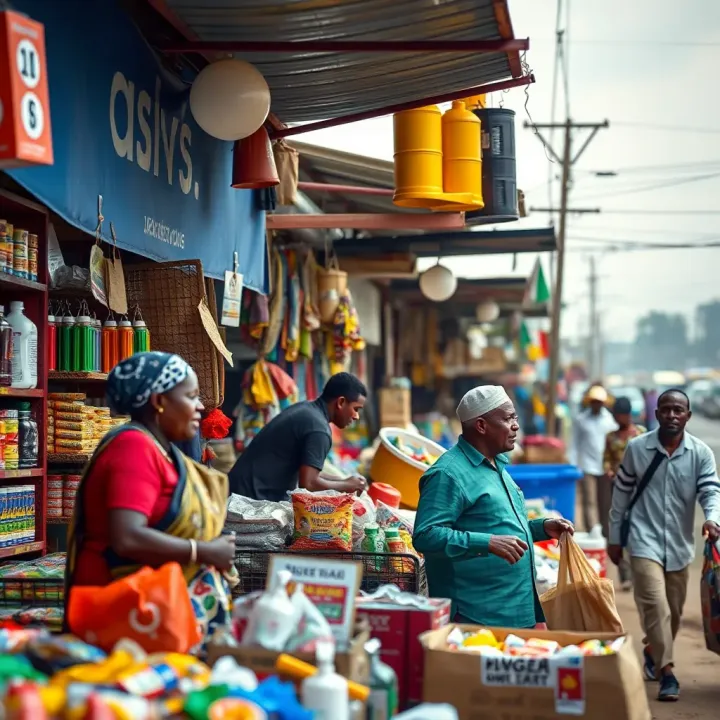
Customer education on product quality involves guiding buyers on how to identify genuine items and avoid fakes. Traders may show proof of authenticity, explain distinguishing features, or share maintenance tips. This empowers customers and reduces post-sale issues. Take, for example, mobile phone vendors who explain model specifications and warranty procedures, helping customers make informed decisions instead of falling for flashy but poor-quality alternatives.
Honest trade practices do not just protect customers but also safeguard traders’ long-term income streams by building solid reputations and repeat patronage.
In sum, transparency and honesty in pricing, bargaining, and product quality cement the trust Nigerian traders enjoy, even amidst challenges like counterfeit risks and bargaining culture. This approach remains a practical pathway for traders eyeing growth in increasingly competitive markets.
Building strong communication and relationships with customers lies at the heart of why traders gain trust in Nigerian markets. When customers feel heard and valued, they’re more inclined to return and recommend the trader to others, creating a cycle of loyalty and dependable business.
Understanding customer needs means paying close attention not only to what buyers say but also to their unspoken expectations. For instance, a trader selling suya might notice that some customers prefer spicier options or specific cuts of meat. By observing these preferences and asking clarifying questions, the trader can tailor offerings accordingly. This responsiveness helps customers feel respected and that their unique needs matter beyond the ordinary transaction.
Timely responses to inquiries show professionalism and care. In a bustling market like Balogun or Ladipo, customers often juggle several options. If a trader delays replying to calls or messages about product availability or prices, the buyer might move on quickly elsewhere. Traders who answer questions promptly—even during busy periods—stand out as reliable. For example, a shop owner using WhatsApp to confirm stock before customers travel long distances saves time and improves satisfaction.
Following up after sales keeps the relationship active and shows commitment beyond the initial purchase. A trader in a garment market might check in with customers after a purchase to ensure the fabrics met expectations or offer advice on maintenance. This follow-up not only nurtures goodwill but also encourages repeat business and referrals. It’s a simple step that makes customers feel supported and confident they made the right choice.
Remembering regular customers adds a personal touch that builds trust. When a trader recalls a customer’s name or previous purchases, it signals attentiveness and care, making the buyer feel valued. For example, a barbing salon operator who knows a client’s preferred hairstyle or a mama put who saves a favourite table creates familiarity that strengthens ties and loyalty.
Offering flexible payment options caters to the economic realities many Nigerian customers face. Some might not have cash at the moment but could pay later or through digital means. Traders who accept payments via mobile apps like OPay, allow instalments, or even trust customers with temporary credit gain an edge. This flexibility shows understanding, making buyers more likely to return and recommend the service.
Building long-term rapport means consistently delivering good service and maintaining honest, transparent dealings. Over time, customers come to see the trader not just as a seller but as a dependable partner. This relationship often leads to word-of-mouth referrals and a protective circle in competitive markets. For example, a trader who consistently provides fresh produce and treats customers fairly will become the go-to person in their community, even when faced with cheaper competitors.
Strong communication and relationship-building are the threads that stitch trust into Nigerian market trading, turning one-off sales into lasting partnerships.
These personal connections and clear communications are what set trusted traders apart, helping them to thrive despite the tough competition and fluctuating market conditions found across Nigeria.
Building and maintaining trust in Nigerian markets often means blending old-fashioned personal touch with new digital tools. Traders who master this mix create stronger connections with customers, helping their businesses thrive in a competitive environment.
In local markets, physical presence remains key. Traders who consistently show up and engage directly with their customers build a sense of reliability. For example, a trader at Balogun Market in Lagos who greets regular customers by name and remembers their preferences gains instant trust compared to someone who operates mainly through phone calls or messages.
Non-verbal cues like eye contact, firm handshakes, and a genuine smile also speak volumes. Such gestures help customers feel valued and secure when making purchases, especially with high-value items or fresh produce, where doubts about quality are common.
Immediate problem solving is another advantage of being physically present. If a customer raises an issue—say, a torn fabric or a faulty phone charger—the trader can resolve it on the spot. This quick response lowers chances of complaints escalating and shows commitment to customer satisfaction.
Mobile payment platforms like OPay and Flutterwave are revolutionising how traders handle transactions. These systems offer quick, traceable payments, reducing cash handling risks and building buyer confidence. For instance, a trader using OPay can send instant receipts to customers, making transactions clear and verifiable.
Social media has also become a powerful tool for customer engagement. Traders use WhatsApp groups, Instagram stories, and Facebook pages to showcase products, share customer reviews, and answer queries promptly. Such openness builds credibility and draws in younger buyers who expect digital access alongside traditional market visits.
Keeping digital records of transactions benefits both traders and customers. With apps and spreadsheets, traders track sales history, manage stock levels, and monitor payments. This data helps prevent misunderstandings and creates a record for resolving disputes. For example, a trader who can easily produce past transactions during negotiations shows professionalism and earns more trust.
Combining face-to-face interaction with transparent technology use creates a balance that speaks well to Nigerian market realities. Traders who embrace this blend position themselves as dependable and modern, ready for whatever challenges the market throws their way.
Traders in Nigerian markets often run into obstacles that can quickly chip away at the trust they've built with customers. Understanding these challenges helps traders prepare and respond better, ensuring their reputation stays solid. Common issues include infrastructural problems and stiff competition, both of which directly affect operations and customer perceptions.
Power outages remain a major headache for many traders. Without stable electricity, refrigeration of perishable goods like fish, meat, or vegetables becomes impossible, leading to losses. Traders relying on electronic payment systems also face difficulties during blackouts, which disrupt smooth business.
Each time the power goes off, traders face downtime — a halt in sales and services that adds unexpected costs. For example, a mama put selling perishable food in Oshodi may lose stock after hours without power, directly hitting daily earnings. Many traders invest in generators, but fuel prices make this a costly solution, sometimes affecting selling prices and customer loyalty.
Nigerian customers expect quick service despite these challenges, but repeated power failures can test their patience. Traders who communicate openly about such disruptions, explaining delays and offering compensations where possible, tend to retain customers better. For instance, some traders offer discounts when they can’t serve promptly, easing customers’ frustrations.
In Nigeria’s bustling markets like Balogun or Ariaria, pricing battles are common. Traders often lower prices to attract buyers, but this risks compromising the quality of goods. A trader selling fabrics may reduce prices to undercut rivals, but if the cloth quality dips, customers won’t come back. Wise traders strike a balance, providing fair prices without sacrificing quality, keeping trust intact.
Heavy discounts can sometimes look suspicious, making customers question the authenticity or freshness of products. Selling expired or substandard items just to beat prices damages trust quickly. Successful traders avoid this trap by clearly explaining discounts, such as sales on last season’s stock or bulk purchase offers, helping customers understand pricing without doubting the goods.
With so many traders competing, excellent service becomes a key differentiator. Remembering customers’ preferences, offering flexible payment methods like Paystack or POS terminals, and following up on sales foster loyalty in a crowded market. Traders in Onitsha, for instance, who greet regular customers by name and help them pick the best items get repeat business despite fierce competition.
Traders who overcome infrastructural hurdles and handle competition wisely build stronger, longer-lasting relationships with their customers. This resilience is what cements trust even in the challenging Nigerian market environment.
Building trust as a trader in Nigerian markets is no easy feat, but practical steps can make a big difference. Trust grows from clear communication, accountability, and leveraging local financial tools that customers recognise and rely on. Traders who take concrete actions to show honesty and reliability often win customer loyalty and stand firm against competition.
Clear communication of terms and conditions means traders openly share details about pricing, return policies, product warranties, and any hidden costs. For example, a trader selling electronics at Balogun Market might inform customers upfront about warranty duration or how to handle faulty items. This clarity reduces misunderstandings and builds buyer confidence, encouraging repeat purchases.
Publishing customer testimonials acts as social proof that a trader delivers on promises. When customers see positive feedback from peers—perhaps on a trader’s social media page or pinned at a shop stall—they get assurance of quality and honesty. Traders who encourage satisfied customers to share genuine reviews benefit from stronger reputations, attracting more buyers who trust those endorsements.
Addressing complaints openly is key to showing accountability. Nigerian markets thrive on word of mouth, so ignoring complaints can damage trust fast. Successful traders welcome feedback, respond promptly, and offer fair solutions. This approach shows that they value customers and stand by their goods or services, turning an unhappy customer into a loyal one.
Using Bank Verification Number (BVN) verification provides a layer of security both for traders and buyers. It helps confirm identities and reduce fraud risks in transactions. Markets in Lagos and Kano increasingly insist on BVN checks for wholesale deals, giving participants peace of mind about who they’re dealing with.
Safe transaction methods through USSD codes and point-of-sale (POS) terminals meet the demand for quick, cashless payments. Traders using platforms like OPay or Paystack can accept payments securely without carrying large cash sums. This reduces theft risk and builds trust with customers who prefer digital payments, especially in urban markets like Ikeja and Onitsha.
Partnering with fintech providers offers traders access to additional services such as instant loans, savings plans, and transaction tracking. For instance, a trader linked with a fintech firm can offer flexible payment plans through mobile apps, attracting customers who might otherwise struggle with lump-sum payments. This partnership not only modernises trading but also signals professionalism and reliability.
Taking practical steps to enhance transparency and use trusted financial services is no longer optional. Nigerian traders who adopt these habits stand better chances of thriving in competitive markets while earning lasting customer trust.
By actioning these strategies, traders solidify their credibility, reduce risks, and connect better with customers accustomed to efficient and trustworthy business dealings.
Explore Hantec Markets for forex & CFDs trading in Nigeria 🇳🇬. We review its regulation, trading conditions, platforms, support, and fit for Nigerian traders 📊💹.

Discover how OctaFX serves Nigerian traders with clear account types, strong regulation, and trusted platforms. Get practical advice for safe forex trading 💹💰
🔐 Learn how to log in to Deriv securely, set up your account, fix login issues, and manage internet challenges while trading from Nigeria. 📱💻
Discover how Forex demo accounts help Nigerian traders practise safely with virtual cash 💹, pick trusted brokers, and sharpen skills before investing real ₦.
Based on 5 reviews