
Understanding Synthetic Trading Basics and Uses
📈 Learn about synthetic trading, its workings, pros & cons, and how it compares to traditional methods in Nigeria's financial markets. 💼💡
Edited By
Sophia Clarke
Trade apps have become a key tool for Nigerians who want to buy, sell, or invest more conveniently using their smartphones. These mobile applications simplify the trading process by connecting users directly to markets, sometimes bypassing traditional steps like visiting brokers or physical markets.
In Nigeria, trade apps cover a range of activities — from stock trading on platforms like Bamboo and Trove, to buying and selling goods on marketplaces such as Jumia or Konga. Their popularity springs from how they bring Nigerian traders closer to both local and global markets, making it easier to participate even with limited capital.
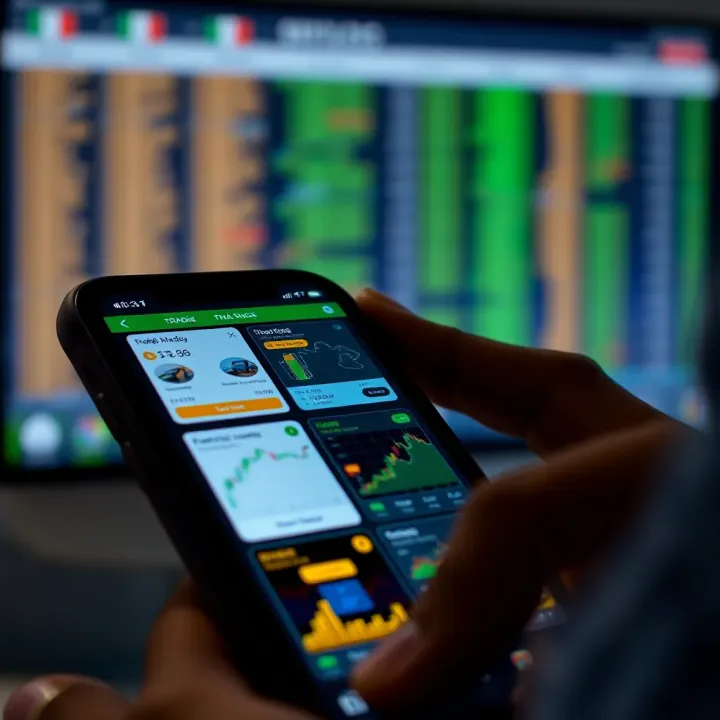
Trade apps generally provide an interface for users to place orders, track prices, and manage their portfolios or goods. Behind the scenes, these platforms link to financial exchanges, payment gateways, and delivery services. For example, when you invest through a stock app, it routes your order to the Nigerian Stock Exchange (NGX) or other global exchanges, depending on the app’s reach.
Some trade apps also offer features such as instant alerts on price changes, access to market news, and educational content tailored to Nigerian users, helping them make more informed decisions.
Trade apps save time and reduce costs by removing middlemen, but users must verify app credibility and secure personal data to avoid scams.
Stock and investment apps: Bamboo, Trove, Chaka
E-commerce apps: Jumia, Konga, PayPorte
Commodity trading apps: Platforms like AgroMall focus on agricultural products
Forex and cryptocurrency apps: Remitano, Binance offer currency trading options
These apps allow users to participate with ₦500 or less, breaking down barriers that once made trading mostly a preserve of wealthy Nigerians.
With technology improving internet access across Nigeria, especially in cities like Lagos, Abuja, and Port Harcourt, trade apps are becoming vital tools for entrepreneurs and investors alike. They integrate payment options including bank transfers, USSD, and mobile wallets, making transactions faster and more secure.
In the following sections, we will explore important features to look out for, challenges unique to Nigerian users, and practical safety tips to ensure profitable and secure trading journeys.
Trade apps have become indispensable tools for Nigerians who want to buy and sell goods or assets conveniently from their mobile devices. Understanding what trade apps are and how they function helps traders, investors, and entrepreneurs make smarter choices while engaging with digital marketplaces. These apps simplify transactions and connect buyers and sellers beyond traditional markets, which is critical in a country where physical market visits can be time-consuming and costly.
At their core, trade apps are software applications designed to facilitate trade activities—shopping or investing—on smartphones or tablets. Whether it's purchasing clothes on Jumia, selling tokunbo electronics, or trading stocks on platforms like Chaka or Trove, these apps provide a digital space for exchanging value.
The purpose of trade apps goes beyond just enabling transactions; they also offer accessibility, speed, and transparency. For example, a small business owner in Abuja can list products for sale without renting a shop, reaching customers nationwide instantly. Likewise, investors can buy and sell equities or forex with real-time information, empowering better financial decisions.
Trade apps serve as modern marketplaces where goods and assets change hands with minimal fuss. In Nigeria, apps like Jumia and Konga cater largely to physical goods such as electronics, clothing, and food. Financial trading apps focus on stocks, forex, and cryptocurrencies, reflecting the nation's growing interest in alternative investments.
These platforms remove traditional barriers, such as geography and limited opening hours, allowing users to buy or sell anytime. For instance, during the ember months rush, consumers can shop for festive needs on their phones rather than battling Lagos traffic for hours. Similarly, investors can react quickly to market news without being tied to a desktop.
One essential function of trade apps is to link buyers and sellers efficiently. Usually, the app provides a catalogue or listings posted by sellers with prices, descriptions, and sometimes reviews. Buyers can search or browse, compare options, and make purchase decisions from anywhere with internet access. This mechanism gives local traders a broader audience than the traditional roadside market.
Once a buyer chooses a product or asset, the transaction process takes place primarily on the mobile platform. Payment methods in Nigeria commonly include bank cards, mobile money, USSD codes, or fintech wallets like OPay or PalmPay. The user verifies details, confirms payment, and the app notifies the seller of the order. Tracking features help buyers know when the delivery will arrive, adding transparency and reducing the chances of fraud.
Trade apps streamline the entire process—from selecting items to payment and delivery—making them practical tools for Nigerians seeking convenience and security in commerce.
Understanding the basics of trade apps allows you to navigate them confidently, helping to maximise their benefits while spotting potential challenges early on.
Trade apps have transformed how Nigerians buy and sell, offering diverse platforms tailored to specific needs. Knowing the different types of trade apps available helps users pick the right tools for their goals, whether for everyday shopping or investing. Two main categories dominate the Nigerian scene: online marketplace apps and financial trading apps.
Popular apps like Jumia and Konga lead Nigeria’s e-commerce space. They provide a platform where buyers and sellers interact directly, wrapping a wide range of products—from electronics to clothing—in a convenient mobile experience. For many Nigerians, these apps have become go-to places for purchasing everything from groceries to gadgets, eliminating the stress of physical travel and bargaining in busy markets.
These apps thrive on trust, user reviews, and reliable delivery systems. Their payment systems often include mobile money, card payments, and even cash on delivery, catering to various preferences common in Nigeria. Additionally, they help small-scale traders reach a broader market, which is crucial in a country where informal trade plays a huge role.
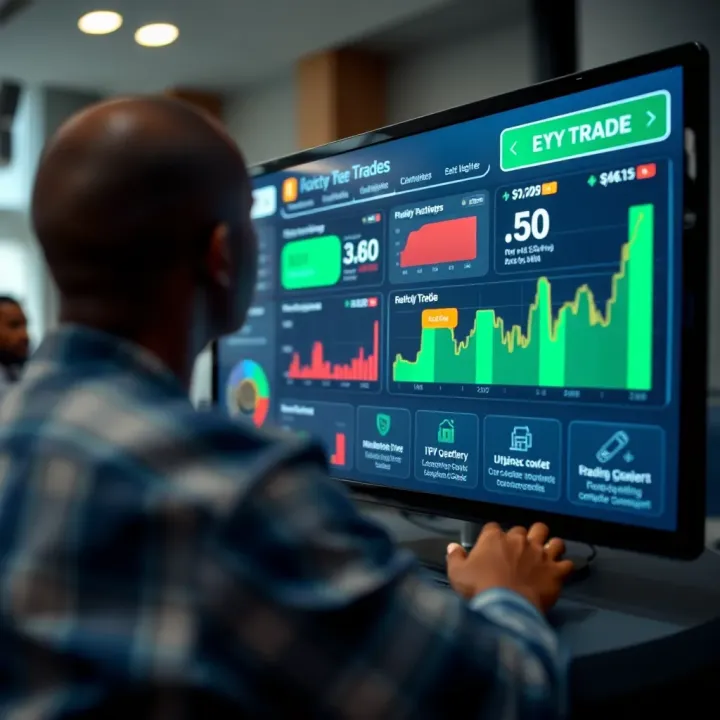
Online marketplace apps focus primarily on physical goods trading. They simplify the process of sourcing items, comparing prices, and placing orders without leaving home. You can browse hundreds of product categories, read honest buyer feedback, and track your orders in real-time. This has made trading accessible even in remote areas where traditional shops are scarce.
For merchants, these platforms offer a chance to expand without the upfront costs of physical stores. For buyers, they provide more options and competitive prices. However, it's crucial to check seller ratings and product authenticity to avoid counterfeit or substandard goods—a common mixed bag in Nigerian markets.
Stock trading apps have gained traction among Nigerian investors aiming to participate in the Nigerian Exchange (NGX) without a broker's constant involvement. Apps like Chaka, Trove, and Rise have lowered barriers to entry, allowing users to buy and sell shares on their phones with ease. They provide market data, price alerts, and educational content, helping users make informed choices.
Such platforms cater to investors at all levels, from beginners trying out small investments to seasoned traders managing diverse portfolios. They often integrate with Nigerian bank accounts for seamless deposits and withdrawals, important in a market where naira fluctuations affect investment decisions.
Foreign exchange (forex) and cryptocurrency apps also resonate with Nigerians actively seeking alternative income streams. Apps like Binance, Luno, and local platforms like Bundle Africa provide access to global forex markets and cryptocurrencies such as Bitcoin and Ethereum. Nigerians use these apps to hedge against naira depreciation or engage in short-term trading for profits.
These apps often require users to be more vigilant due to higher risks and volatility associated with digital currencies and forex markets. Many users appreciate platforms that offer tutorials, margin trading warnings, and wallet security measures since scams and hacks have been rampant.
Understanding the prominent types of trade apps in Nigeria equips users to select platforms that suit their trading needs, risk tolerance, and convenience preferences.
In summary, online marketplace apps focus on facilitating the trade of tangible products within Nigeria’s vast informal and formal sectors, while financial trading apps open doors to stock, forex, and crypto spaces. Both have distinct benefits and challenges, making it essential for Nigerian users to grasp their unique relevance before diving in.
Choosing the right trade app matters a lot, especially with the many options Nigerian users face today. An app's features can make the difference between smooth trading and endless frustration. To avoid losing money or time, focus on key aspects like security, usability, and support.
Protecting your data on trade apps is non-negotiable. Nigerian users often share sensitive information, such as bank details or BVN (Bank Verification Number), so platforms that encrypt this data offer much-needed peace of mind. An app using strong encryption protocols shields your details from hackers, a crucial point considering Nigeria's rising cybercrime rates.
Secure payment options go hand in hand with data protection. It’s risky to trust apps that lack clear payment gateways or force cash transfers. Reliable apps integrate payment systems like Flutterwave or Paystack, which support card payments and USSD codes safely. Avoid platforms that ask for direct bank transfers without any protection or confirmation steps to steer clear of scams.
How easy it is to move around an app can affect your trading efficiency. An intuitive interface means you can place orders, track deals, or manage accounts without headache. For instance, Jumia’s app keeps menus clear and search functions sharp, helping buyers find mama put essentials or tokunbo tech gadgets fast.
Transaction speed and reliability also make or break trade apps. An app freezing or crashing during payment or order confirmation can cost you deals or money, especially in fast-moving markets like Forex or cryptocurrency. Apps optimised for low bandwidth, considering Nigeria's sometimes patchy internet, improve the chances of completing transactions without glitches.
Having multiple support channels is practical. Whether through live chat, phone lines, or email, these options help resolve issues like payment disputes or delivery delays. Apps popular in Nigeria, such as Konga, provide quick-response customer care which reduces stress and builds confidence among users.
Finally, user reviews and app reputation provide insights beyond marketing claims. Checking feedback on app stores or trusted forums helps spot persistent problems or scam reports. Reliable apps consistently score high in ratings because they deliver on promises, maintain transparency, and engage their user base actively.
When selecting a trade app, never compromise on security or ease of use. Always research how the platform handles payments and supports users to ensure your business runs smoothly and securely.
By focusing on these features, Nigerian traders and investors can choose trade apps that protect them, make their work easier, and offer dependable support when needed.
Using trade apps effectively in Nigeria means navigating a mix of technology, security, and local realities like intermittent power supply or network issues. Proper use helps safeguard your money and makes transactions faster and more reliable. Whether you’re buying goods on Jumia or trading stocks on a local investment app, following clear steps ensures smoother deals and fewer hassles.
Setting up your account properly is the first step to a secure trading experience. Most trade apps ask for your phone number, email, and sometimes your National Identification Number (NIN) during registration. Filling these details accurately is essential, as it links your profile to your official identity, reducing fraud risks. For example, on an app like Paystack or GTBank’s trading platform, you’ll input your BVN (Bank Verification Number) as part of the verification.
After registration, you’ll often need to create a strong password—avoid obvious choices like birthdates or simple sequences to keep your account safe. Using a mix of letters, numbers, and symbols helps. Many apps today also suggest two-factor authentication (2FA), which adds an extra layer of security by requiring a code from your phone or email each time you log in.
Verification processes further secure your account. Some platforms require you to upload a photo ID or a selfie to confirm your identity. This step is especially common on financial trading apps or marketplaces handling large transactions. Verification is not just a box-ticking exercise; it protects you from scammers pretending to be you or trying unauthorised trades.
Linking your preferred payment methods makes trading efficient. Nigerian trade apps typically accept bank cards, USSD codes, or wallet services. For instance, linking your bank debit card or using USSD to connect your account allows immediate payments without needing to switch apps. USSD codes are handy because they work on basic phones without internet, providing wide access across Nigeria’s diverse user base.
Managing your orders properly is just as important. Once you’ve made a purchase or sale, the app usually offers tracking features showing your order status—from confirmation to delivery or payment clearance. For example, if you buy a tokunbo car on a marketplace app, tracking helps you follow up with the seller, reducing anxiety about delays or fraud.
Managing your orders also involves keeping receipts and checking transaction histories within the app. This record is useful if disputes arise or for budgeting your spending. Some apps also notify you via SMS or email when your transaction updates, adding extra convenience.
Always ensure you log out after transactions on shared or public devices to avoid unauthorised access.
Using these practical steps prepares you to benefit more fully from trade apps while minimising the risks specific to the Nigerian environment.
Trade apps have transformed how Nigerians trade goods and assets, but certain challenges can affect their efficiency and user trust. Understanding these hurdles helps users navigate realistically and avoid unnecessary frustrations. Two major issues stand out: infrastructural problems like poor internet and erratic power supply, and the ever-present threat of fraud and scams.
Unstable internet connections often disrupt trading activities on mobile apps. In Nigeria, many users experience slow data speeds or frequent disconnections, especially outside major cities. This instability can cause delays in loading product listings, failure during payment processing, or even loss of transaction data. Imagine trying to complete a ₦50,000 payment but losing connection mid-transaction—this can lead to double charges, missed orders, or failed trades that waste both time and money.
Power outages add another layer of difficulty to using trade apps effectively. With intermittent electricity supply in many areas, users often rely on generators or power banks to keep devices running. However, these come with fuel and maintenance costs that drive up the overall expense of trading online. Without power, users risk missing critical notifications such as payment confirmations or chat messages from sellers.
Workarounds for power outages include investing in affordable, high-capacity power banks to extend device uptime during outages. Some traders schedule their activities during daylight hours or periods when power supply is more reliable in their region. Mobile network providers also offer offline payment options through USSD codes, which require less data and can work better when combined with limited power usage.
Fraud remains a persistent problem on trade apps. Common tactics include fake seller accounts offering luxurious items at unrealistically low prices, phishing links sent through the app's messaging system, and sellers who disappear after receiving payment. For example, a user might be lured into buying tokunbo electronics at half the market price, only to end up with counterfeit goods or nothing at all.
Precautions to protect yourself involve checking user ratings and reviews thoroughly before making transactions. Stick to verified sellers and avoid deals that seem too good to be true. Make payments using secure and traceable channels like bank transfers or recognised mobile money platforms, rather than direct cash transfers or third-party payment links. Keeping app software updated and avoiding sharing sensitive information can also reduce vulnerability to scams.
Nigerians using trade apps should balance enthusiasm for convenience with careful attention to these challenges. By being mindful of Nigeria's infrastructural realities and common scam tactics, users can trade confidently and protect their investments.
The key lies in combining practical solutions with vigilance to make the most of trade apps despite prevailing obstacles.
Trading with apps in Nigeria can be rewarding, but the key is doing it safely and smartly. There are risks like fraud and other setbacks if you jump in without caution. Knowing how to verify sellers and buyers and picking trusted payment channels can save you from losing money and time. Following proper steps also helps you make better deals and build a reliable trading network.
Checking ratings and feedback is an easy but powerful way to gauge trustworthiness. Most trade apps display ratings based on previous buyers' experiences. When you see a seller with consistent positive reviews, it tells you their goods or services are usually legitimate. For example, on platforms like Jumia or Konga, buyers often leave comments detailing delivery time and product quality. Review these carefully before making payment.
On the buyer side, sellers also check ratings to avoid risky transactions. This two-way rating system encourages honesty. If you notice negative feedback or reports of scams against a user, it's wise to avoid trading with them. Scores and comments give you concrete clues rather than gambling on a stranger.
Avoiding suspicious profiles is another vital step. Profiles without photos, partial names, or that seem new and have few transactions should raise flags. Fraudsters often create fake accounts, so watch for inconsistencies in information or behaviour. For instance, if a seller presses for urgent payment without proper negotiation or uses poor language, be cautious.
In some cases, cross-checking contact details or social media linked to the profile can help verify legitimacy. Nigerian users have reported dodging scams by comparing seller names with their BVN database or other official records when possible. Avoid deals that feel rushed or exaggeratedly attractive.
Preferred payment methods often involve the use of secure digital platforms or bank transfers. Nigerian trade apps usually support options like Paystack, Flutterwave, or direct debit from your bank via USSD codes or online banking. These methods offer a trail that can be tracked, which is essential if disputes arise.
Using bank cards (Visa, Mastercard) linked through verifiable payment gateways also adds a layer of security. They usually provide buyer protection and sometimes the option to dispute charges if goods don’t arrive.
Avoiding cash transactions when possible is crucial, especially for new or high-value deals. Cash leaves no paper trail and exposes you to risks like counterfeit notes or theft during meetups. While cash might be convenient for local markets or mama puts, online trade usually benefits from digital payments.
If you must do face-to-face transactions involving cash, choose safe, public locations and preferably with someone accompanying you. Keeping your trading records and receipts, even for cash sales, helps maintain accountability.
Protect yourself first; a secure trade is the road to consistent profits.
Combining these tips can change your experience from risky to profitable, turning trade apps into reliable tools for expanding your business or investment portfolio in Nigeria.
📈 Learn about synthetic trading, its workings, pros & cons, and how it compares to traditional methods in Nigeria's financial markets. 💼💡
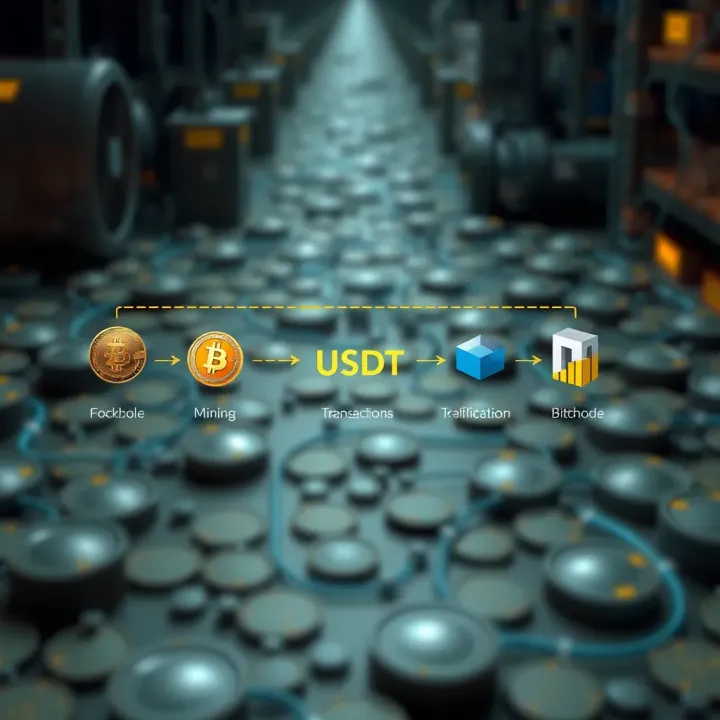
Explore USDT mining in Nigeria 🇳🇬 - how it works, key tools, risks, rewards, and practical tips to maximize your investment in this crypto space 💰
Explore how USDT mining works, its role in crypto, and key risks for users in Nigeria. Get practical tips to safely engage in digital finance with USDT! 💰🌍
📈 Learn what trading signals are, how Nigerian investors can apply them effectively, and the risks to watch out for in this practical guide to smarter trading.
Based on 5 reviews