
How to Register and Trade on Deriv in Nigeria
📈 Learn how to sign up and start trading on Deriv in Nigeria with easy steps, verification tips, funding guides, and trading tools for beginners and pros alike.
Edited By
Sophie Ellis
Trading gold in Nigeria demands more than just luck; understanding when to act can save you from losses and boost profits. The gold market is influenced by global trading hours, economic shifts, and local factors unique to Nigeria’s financial landscape. This guide breaks down these elements to help you pinpoint the best times for trading gold effectively.
Gold prices do not move randomly. They respond to active sessions in major markets like London, New York, and even Asian hubs. Nigerian traders should note that peak price volatility often happens when these markets overlap. For instance, the London and New York exchanges cross paths between 2:00 pm and 5:00 pm WAT, offering a prime window to catch good fluctuations.

Aside from global timing, Nigeria’s economic calendar impacts gold trading. Events such as Central Bank of Nigeria (CBN) monetary policy announcements, inflation reports, or fluctuations in the naira exchange rate can trigger sharp movements in gold prices. Since gold often serves as a hedge against naira depreciation, be ready to act swiftly after these updates.
Seasonality also matters. Historically, gold prices tend to rise towards the end of the year, particularly during the ember months when increased spending and festive demand lift the market. Traders can plan ahead for these periods to maximise gains.
Remember, successful gold trading in Nigeria is about combining knowledge of international market cycles with local economic realities. Timing your trades around these factors increases your edge.
Trade during the London-New York market overlap (2:00 pm - 5:00 pm WAT) for better price movements
Monitor CBN announcements and naira volatility as direct signals for market changes
Prepare for seasonal upticks, especially during the ember months
Stay updated on global geopolitical events that affect gold prices, like shifts in US inflation or oil prices
Effective gold trading requires more than watching prices; understanding when markets are most active and how Nigerian factors influence demand will sharpen your approach and protect your ₦ investment.
Getting the basics right is vital if you want to trade gold effectively in Nigeria. This means understanding not just how gold prices move but also the factors influencing those prices both globally and locally. Grasping these essentials helps traders make informed decisions, avoid common pitfalls, and time their trades for better returns.
Global supply and demand significantly impact gold prices. For instance, gold-producing countries like South Africa and Ghana control a sizeable chunk of the world’s output. When mining output dips due to strikes or geopolitical issues, gold supply tightens, pushing prices higher. On the demand side, central banks worldwide tend to stockpile gold during economic uncertainty, which raises demand and price. For Nigerian traders, watching these global supply-demand shifts can signal when prices might rise or fall.
The Naira exchange rate impact plays a practical role in the Nigerian gold market. Since gold is priced in US dollars internationally, fluctuations in the naira-dollar rate directly affect how much naira traders pay or receive. For example, when the naira weakens against the dollar, imported gold becomes more expensive locally, pushing prices up. During times of naira stability or appreciation, local gold prices often ease. That’s why keeping an eye on forex trends is crucial for Nigerian traders wanting to optimise timing.
Local market liquidity and informal trade also shape gold price behaviour. Unlike developed markets with strong formal trading platforms, much of Nigeria’s gold trade happens informally through local dealers and traders. Liquidity here varies: during festive seasons or ember months, more people buy gold for gifts and investment, boosting liquidity and sometimes prices. However, price transparency remains a challenge in informal trade, causing variations that traders must watch carefully.
Nigeria has both formal and informal gold markets. The formal market includes licensed dealers and banks offering certified gold products. Trading here is generally safer but less flexible. On the other hand, informal markets abound, especially in gold hubs like Kwara or Jos, where private traders operate with fewer regulations. This dual system means traders need to balance ease of access with security and authenticity concerns.
Regarding types of gold traded, Nigerian traders mostly deal in physical gold bars, coins, and jewellery. Unlike international markets, derivatives or futures contracts are rare locally. Physical gold attracts both investors and those buying for traditional uses such as weddings or rituals. Understanding the type you trade helps to manage storage, authenticity checks, and liquidity effectively.
The role of Nigerian financial institutions cannot be overlooked. Banks, especially large-tier banks like GTBank and Access Bank, facilitate gold investments by providing secure vault services and financing. The Central Bank of Nigeria (CBN) keeps a watchful eye on gold import policies and forex allocations, indirectly influencing market access and pricing. For serious traders, building good relationships with these institutions often smooths transactions and helps avoid regulatory headaches.
Clear knowledge of these fundamentals builds a solid foundation for successful gold trading in Nigeria, making it easier to navigate the local nuances and global influences.
In summary, understanding how global forces like supply, demand, and forex rates mix with local market realities and institutional roles gives Nigerian traders an edge. This knowledge enables you to gauge when to act, what risks to expect, and how to position yourself for steady profits amid market fluctuations.
Timing matters a lot in gold trading. Knowing when the major gold markets open and close can help Nigerian traders decide the best moment to buy or sell. Trading during active market hours generally means better liquidity and more accurate prices, which can cut the risk of buying gold at inflated costs or selling too low.
London and New York market overlaps: The London and New York gold markets overlap roughly between 2:00 pm and 5:00 pm Nigerian local time (WAT). This window is highly significant because it combines heavy trading volumes from these two major financial centres. For Nigerian traders, this means you’re more likely to find real-time price movements and stronger market activity during these hours. For example, a trader watching gold prices from Lagos or Abuja would spot more reliable pricing and can act quickly on global news affecting gold.
Asian gold market hours: The Asian markets, mostly active between 4:00 am and 1:00 pm WAT, lead global gold trading for a good part of the day. While less overlapping with Western markets, Asian trading often sets the tone for the day based on demand from China and India, two of the biggest gold consumers. Nigerian traders awake early can use Asian market data for strategic pre-market positioning, especially when unexpected geopolitical events or economic reports emerge out of Asia.
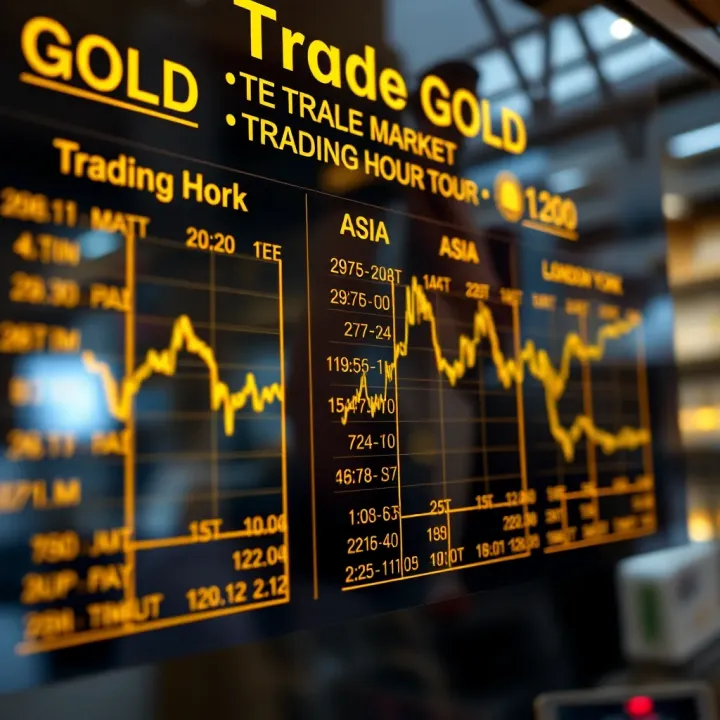
How London Bullion Market affects Nigerian investors: The London Bullion Market, active from 8:00 am to 5:00 pm GMT (9:00 am to 6:00 pm WAT), is the centre for gold price discovery globally. Nigeria’s proximity to GMT makes it convenient for traders to access London prices during regular business hours. Since London sets benchmark gold prices like the LBMA Gold Price, Nigerian investors often track this market closely because local prices tend to follow London’s fluctuations. For instance, when the LBMA price moves due to changes in demand or supply, it directly influences gold dealers in Nigeria.
Time zone differences (WAT vs GMT/EST): Nigeria operates on West Africa Time (WAT), which is GMT+1. London runs on GMT, so Nigeria is one hour ahead of London time. However, New York is five hours behind WAT (EST is GMT-5), making its market hours fall into Nigeria’s afternoon and early evening. Understanding this helps Nigerian traders plan their activities to coincide with when markets in New York and London are most active. Not respecting these differences can lead to missed opportunities or trading during low-liquidity periods.
Peak activity periods for Nigerian traders: By aligning with international markets, Nigerian traders find that mid-morning to late afternoon (around 10:00 am to 6:00 pm WAT) offers the highest liquidity and price stability. This period covers the London market’s active hours and overlaps with New York’s opening. Trading outside these windows, such as late at night or early morning, often means thinner markets, wider spreads, and greater price swings. Traders using platforms like MTN Mobile Money or Paystack for gold transactions should plan trades during these peak hours to avoid slippage and unreliable prices.
Gold trading success in Nigeria depends on syncing your trading hours with the global markets, especially London and New York. Timing your trades to match these windows helps you access better prices, higher liquidity, and safer transactions.
Monitor London Bullion Market hours: 9:00 am to 6:00 pm WAT
Watch for London-New York overlap: 2:00 pm to 5:00 pm WAT
Use Asian market insight early in the day: 4:00 am to 1:00 pm WAT
Understanding these key trading hours will guide you in making smarter trading decisions and help you avoid the pitfalls of low activity periods.
Understanding seasonal and economic influences is vital for timing gold trades effectively in Nigeria. These factors shape demand patterns and price movements, helping traders anticipate market behaviour and optimise their strategies.
Ember months and buying patterns: The ember months — September to December — are known for increased spending, celebrations, and ceremonies across Nigeria. Demand for gold often spikes during this period as individuals and families invest in jewellery for weddings, parties, and gifts. Traders who time their purchases ahead of ember months can buy gold at relatively stable prices and position themselves to sell at a premium when demand rises.
Wedding and festive periods demand: Weddings and major festivals like Sallah and Christmas see heightened gold purchases, especially jewellery and decorative items. These special occasions push demand upward as owning gold signals wealth and status. Seasonal traders should monitor local event calendars closely and prepare to invest before these peak periods. Selling during peak festive seasons can lead to better margins, while buying during the low season may reduce costs.
Crop harvest seasons and cash flow impact: In many rural and agrarian communities, crop harvests bring seasonal cash influxes. This fresh liquidity increases consumer capacity to buy gold, impacting local demand and prices. For example, farmers may use proceeds from yam or cocoa harvests to purchase gold as a store of value. Traders aware of these cycles can adjust timing to align with such cash flow patterns, gaining advantage over competitors who overlook informal market nuances.
CBN policies on foreign exchange and gold: The Central Bank of Nigeria (CBN) plays a significant role through its policies on foreign exchange (forex) and precious metals. When the CBN tightens forex access, it often causes fluctuations in gold prices due to restricted importation and supply constraints. Traders who track CBN announcements on forex rates and restrictions can better predict supply shocks or price surges, adapting their timing accordingly.
Naira volatility and inflation rates: The naira’s value swings widely against major currencies, influenced by inflation and economic factors. During periods of naira depreciation and rising inflation, gold typically becomes an attractive hedge, driving demand higher. Savvy traders watch the naira exchange rate and inflation forecasts closely. Buying gold when the naira stabilises, or before expected inflation spikes, can preserve capital value and yield gains.
Global economic crises and gold as safe havens: International turmoil — such as financial crashes, geopolitical conflicts, or pandemics — pushes investors worldwide towards gold as a safe asset. Nigerian traders often see local gold prices react to these events. For instance, during the 2020 global economic downturn, gold prices soared as uncertainty mounted. Keeping an eye on global news helps Nigerian traders time their entry and exit points, benefiting from gold’s traditional role when markets shake.
By paying attention to these seasonal rhythms and economic developments, Nigerian traders can position themselves to buy low and sell high, maximising returns amid market fluctuations.
For Nigerian traders, timing is not just about when markets open or close. It’s about aligning strategies with local dynamics, international trends, and economic shifts. Using well-thought-out strategies helps you avoid unnecessary risks and makes your gold trades more profitable in the long run.
Technical analysis involves studying price charts and patterns to predict future movements. For gold trading, this means identifying support and resistance levels, trend lines, and candlestick patterns that show where prices may head next. Nigerian traders can use charting tools like Moving Averages or Relative Strength Index (RSI) to spot entry or exit points, avoiding guesswork.
For example, when gold’s price hits a strong support level repeatedly, it might be a good time to buy, anticipating a bounce. Conversely, if it struggles to break past a resistance point, it might be wise to sell before a drop. Technical analysis is a handy tool for traders without access to deep market intel but who want to act decisively.
Gold prices respond closely to global events and benchmarks. Nigerian traders must monitor the London Bullion Market and New York COMEX prices, as these influence local valuation. Tracking indicators like the US dollar strength, inflation reports, or geopolitical tensions overseas gives clues to upcoming price shifts.
When, for instance, the US Federal Reserve hints at interest rate hikes, gold often drops since higher rates improve bond yields. Nigerian traders who watch these signals can anticipate price moves and act before local markets reflect the changes, giving them an edge.
Global trends alone don’t tell the whole story. Nigeria’s gold market experiences unique local factors like naira volatility, informal market prices, and demand spikes during festive seasons or election periods.
A savvy trader checks local supply conditions or informal market quotes through networks within Abuja, Lagos, or Kano, then compares these with global rates to decide the best trading window. For instance, during the ember months, higher demand can push prices up despite global dips, signalling a buying opportunity.
Liquidity means how easy it is to buy or sell without impacting price. In Nigeria, gold market liquidity drops during late-night hours and public holidays when trading slows internationally and locally. During these periods, price spreads widen, increasing costs or leading to unfavourable prices.
A trader who avoids trading at these off-peak hours saves on hidden costs and reduces risk. Instead, choose times overlapping with London or New York market hours, roughly between 2 pm and 10 pm WAT, when volumes and price movements tend to be more robust.
Volatility indicates rapid price changes. Nigerian traders can benefit by buying during dips and selling when prices spike – especially around major world events or local economic news. But this requires discipline and watchfulness.
For example, if naira suddenly weakens due to a foreign exchange policy change, gold prices may jump. A prepared trader capitalises by quickly selling gold bought earlier. However, chasing after every volatile move without analysis often leads to losses, so combining this approach with technical signals and news is vital.
Gold is a safe-haven asset that reacts sharply to crises and policy updates. Traders in Nigeria should keep alert to news like CBN monetary policies, political developments, inflation updates, or geopolitical tensions (e.g., conflicts or trade disputes).
Such events often precede price swings. By staying informed through reputable sources or financial platforms, you can anticipate shifts and plan trades accordingly. For example, ahead of a currency devaluation announcement, gold prices may rise as investors seek protection. Acting early can translate to better profit margins.
Timing your gold trades isn’t just about watching the clock; it’s about understanding the pulse of local and global markets, using tools wisely, and staying responsive to news. Effective strategies turn opportunity into gains in Nigeria’s complex gold environment.
Trading gold in Nigeria comes with unique risks that affect the timing and success of trades. Beyond price movements, factors such as infrastructure issues, market accessibility, and informal trading practices impact how and when traders can act effectively. Understanding these challenges helps investors and traders avoid pitfalls and make better decisions.
Generator costs and operating hours play a significant role in gold trading, especially considering Nigeria's frequent power outages. Businesses handling gold—whether traders using digital platforms or physical dealers—often rely on generators to keep operations running smoothly. Continuous use of generators can inflate operating costs sharply. For instance, a trader who needs reliable power to access online gold prices or complete sales might spend thousands of naira daily on fuel, which eats into profit margins. These costs may prompt some traders to limit trading to daylight hours or times when electricity supply is more stable, influencing the timing of their trades.
Internet and platform reliability also affect gold trading timeliness. Many Nigerian traders use platforms like Paystack, Flutterwave, or local exchange apps for prices and transactions. Yet, inconsistent internet connectivity or platform downtime can delay price checks, orders, or settlements, causing missed opportunities or financial loss. For example, during periods of low network coverage in Lagos or Abuja, traders may find it difficult to execute trades promptly. Therefore, having backup internet options or offline trading channels become essential.
Physical security of gold transactions remains a pressing concern. Transporting or storing gold safely requires secure facilities and trustworthy logistics, which are not always available or affordable. Traders often avoid making large transactions at night or in unsecured locations. This limitation restricts trading to safer hours, typically during business daylight. Cases of armed robbery targeting gold shipments have made many players cautious, causing delays or hesitations that affect trade timing.
Price discrepancies across different traders frequently complicate timing decisions. The informal gold market in Nigeria lacks a centralised pricing mechanism, leading to varying price quotes for the same quantity and quality of gold. For example, a trader might find a ₦10,000 difference in prices between a Lagos dealer and one in Jos on the same day. This inconsistency challenges buyers to pick the right moment and seller for a favourable deal, often requiring multiple inquiries and negotiations, which can waste valuable time.
The risk of counterfeit gold products is another significant challenge. Informal market traders sometimes sell gold that does not meet purity standards, or in rare cases, fake alloys disguised as gold. This risk forces buyers to be more cautious, introducing delays as they conduct physical checks or seek trusted assayers. Because of such risks, traders might limit transactions to known suppliers or certified dealers, even if market conditions favour quicker trades.
Regulatory challenges and enforcement gaps further complicate gold trading timings. Nigeria’s gold sector is still evolving in regulatory terms, with agencies like the Central Bank of Nigeria (CBN) and the Securities and Exchange Commission (SEC) gradually strengthening oversight. However, enforcement remains uneven, allowing some informal practices and opaque dealings to persist. The uncertainty over compliance requirements or potential seizure can make traders delay transactions or avoid certain periods altogether until clarity is assured.
Successful timing in gold trade isn’t just about market hours or price trends. In Nigeria, infrastructure weaknesses, market transparency, and security risks weigh heavily on when and how trades occur, so a well-informed, cautious approach yields the best results.
Understanding these practical challenges enables Nigerian traders to plan trades wisely, balancing opportunity with safety and cost efficiency. Taking proactive steps to mitigate these risks can make a decisive difference in profit and loss outcomes.
📈 Learn how to sign up and start trading on Deriv in Nigeria with easy steps, verification tips, funding guides, and trading tools for beginners and pros alike.

🕒 Learn how New York Forex session times sync with Nigerian local time, tips to trade smart during this key session, and manage daylight saving shifts smoothly!

📈 Learn exactly when the New York trading session starts in Nigeria, how to track time changes, handle daylight savings, and optimize your trading schedule!

⏰ Curious when New York's trading session starts in Nigeria? Learn how time zones & daylight saving affect schedule to optimize your trading moves effectively.
Based on 9 reviews