

Understanding Prop Firms and Their Role in Trading
Discover how consummate prop firms offer traders access to ₦millions in capital, manage risks, and create trading chances within Nigeria’s fast-growing market 📈💼
Edited By
Thomas Hayes
Proprietary trading firms, or prop firms, have grown notably in Nigeria, attracting traders eager to leverage company capital instead of solely relying on personal funds. These firms provide an opportunity to trade bigger volumes and share profits, which can be very appealing if you are looking to scale your trading career without risking all your money.
Before joining any prop trading firm, it's vital to understand what sets a reliable firm apart. Nigerian traders often face challenges like unclear contract terms, hidden fees, or unrealistic profit targets. To avoid such pitfalls, it's essential to consider specific factors that ensure you’re dealing with trustworthy firms.

Key features to look out for include transparent trading rules, clear profit-sharing models, and reasonable risk management policies. For example, a reputable firm would typically provide realistic daily loss limits and allow traders to keep a significant percentage of profits. They also enforce straightforward evaluation processes that reflect practical trading conditions, not artificial hurdles.
Another important consideration is the firm’s track record in Nigeria’s trading environment. With frequent naira fluctuations and sometimes limited access to international markets, firms adapted to local realities are more likely to offer stable conditions for traders. Verify if the firm operates with proper registration and compliant trading platforms, such as MetaTrader or cTrader.
"Choosing the right prop firm isn't just about the money; it’s about trust, opportunity, and the support system that can help you grow your trading skills while minimising risks."
Benefits of joining a good prop firm go beyond capital access. Many firms offer training programmes and mentorship tailored to the Nigerian market, helping traders sharpen strategies in equities, forex, or commodities trading. On the flip side, take note of the risks, including capital loss and contractual obligations that could limit your flexibility.
Finally, consider firms offering suitable models for your trading goals. Some prefer daily funded accounts, while others provide staged funding after performance assessment. The best prop firm for you should align with your style, be it scalping, swing trading, or long-term positions.
In the sections ahead, we will explore how to vet these firms, highlight top Nigerian-prop trading companies, and share practical tips to help you make an informed choice.
Grasping what proprietary (prop) trading firms are and how they fit into Nigeria’s financial scene is essential for anyone aiming to trade with these outfits. Prop firms provide traders with capital to trade financial markets on their behalf, with profits shared based on agreed terms. This model offers an alternative path for Nigerian traders who may not have substantial starting capital but possess the skills to profit in forex, stocks, commodities, or crypto markets.
A prop trading firm pools resources and invites skilled traders to manage portions of their capital. Unlike typical brokers, prop firms do not just act as intermediaries but actively allocate their funds through traders. In Nigeria, this arrangement allows traders to access bigger funds without risking personal capital upfront. For instance, a trader could be funded with ₦5 million to trade forex or Nigerian equities under the firm’s risk management rules.
Prop trading firms integrate into Nigeria’s financial ecosystem by offering liquidity and fostering skilled trading talent. Many of them collaborate with local and international brokers regulated by the Securities and Exchange Commission (SEC) of Nigeria. They employ risk controls tailored to Nigeria’s volatile naira exchange rate and market dynamics. Usually, these firms require traders to pass evaluation challenges before funding, ensuring only capable individuals manage large positions. This system adds a layer of professionalism and discipline to local trading.
Nigerian prop trading firms offer diverse options depending on their capital allocation and market focus. Common opportunities include:
Forex Trading: Speculating on currency pairs like USD/NGN.
Equities: Trading shares listed on the Nigerian Exchange (NGX).
Commodities: Access to local and global commodity markets such as oil or agricultural products.
Cryptocurrencies: Some firms now allow trading in Bitcoin, Ethereum, and other digital assets.
Traders can usually select instruments that suit their expertise. As an example, a trader comfortable with USD/NGN volatility might focus on forex, while another with market analysis skills may prefer NGX equities.
Understanding the structure and operations of prop firms in Nigeria helps traders identify serious firms with practical support and realistic profit-sharing, setting a foundation to succeed.
Knowing these basics enables traders to be confident when approaching prop firms, setting clear expectations about what to trade and how these firms function within Nigeria’s unique financial market conditions.
Choosing the right proprietary trading (prop) firm in Nigeria requires careful thought about several key factors. These elements affect not only your trading experience but also your potential success, risk level, and career growth. Understanding these points ensures you avoid firms that promise the moon but don’t deliver, a common issue in Nigeria's growing prop trading landscape.

Reputation is the first thing to examine when selecting a prop firm. A firm with a solid history of ethical practices and consistent trader success tends to offer more reliable support and fair terms. For instance, firms like Maverick Pro and The Prop Firm Nigeria have gained traction by maintaining transparent operations and paying out profits promptly. Checking online reviews, trader testimonials, and any regulatory references can help clarify a firm's standing. On the other hand, firms with a reputation for delays in payments or unclear contract terms should be approached with caution.
The quality and accessibility of trading platforms can make or break your trading day. Top Nigerian prop firms often provide access to widely trusted platforms like MetaTrader 4 (MT4) or MetaTrader 5 (MT5), plus advanced charting tools and risk management features. A good example is FXPro Nigeria, which integrates seamless software platforms and real-time data feeds essential for quick decision-making. Beyond software, access to relevant market news and analysis tools allows traders to stay ahead, especially under volatile market conditions seen in Nigerian forex and stock markets.
Understanding the cost structure is crucial. Nigerian prop firms typically differ in how they handle fees and profit splits. Some may charge upfront fees for evaluation or monthly access fees, which can be a barrier for casual traders. Others operate purely on commission and profit-sharing, where traders keep between 60% to 80% of profits after fees. For example, a firm offering a 70/30 split but charging hefty monthly fees might be less attractive than one with zero upfront fees but a 60/40 share. Always calculate the potential earnings after all deductions to assess if the deal works for your trading size and style.
Not all prop firms in Nigeria provide adequate training or mentorship, but this support can significantly impact your growth. Firms like Afrinvest and Tradetoride offer structured training programmes, weekly webinars, and direct coaching. These resources prove valuable, especially for new traders navigating the complexities of market trends and risk management. Also, check for active customer support and community access—having a responsive team and a network of traders can help you handle challenges faster and better.
In short, weigh these factors carefully before committing. A reputable firm with reliable platforms, fair fees, and solid training sets you on a strong path in Nigeria’s competitive prop trading scene.
Understanding the benefits and risks of joining a proprietary (prop) trading firm in Nigeria is key for anyone weighing this path. It’s not just about access to capital but also about managing expectations and avoiding pitfalls that can derail your trading career. This section highlights practical advantages for both budding and seasoned traders while flagging common challenges and warning signs.
Joining a prop trading firm can open doors that are otherwise closed to many Nigerian traders. One significant advantage is access to larger trading capital, which allows traders to handle bigger positions without risking their personal savings. For example, a trader starting with ₦500,000 could trade with ₦5 million or more under a prop firm, boosting profit potential.
Prop firms also provide a structured environment. They usually offer professional training, mentorship, and access to advanced trading platforms like MetaTrader or proprietary software, helping traders sharpen their skills. Consider a young trader in Lagos who, after losing naira in local retail trading, finds success using the risk management techniques taught during firm-sponsored training.
Additionally, profit sharing models typically reward high performance, meaning successful traders can earn sizeable income without the firm bearing losses. This setup lets traders focus on strategy while the firm handles capital risk. Some firms also offer payouts weekly or monthly, adding liquidity and cash flow that independent traders might struggle to achieve.
While the benefits can be attractive, joining a prop firm is not without risks. One major challenge is the strict performance targets most firms impose. Missing these can lead to contract termination or loss of allocated funds. Traders unfamiliar with this pressure may find it stressful and financially punishing.
Watch out for firms that demand large upfront fees or charge high commissions without clear transparency. Such costs can eat into your profits quickly, making the trade-off unfavourable. Also, be wary of vague contract terms or promised returns that sound too good to be true — these often signal non-reputable firms.
Another red flag is poor communication and lack of support. Traders rely on timely information and technical assistance, especially in fast-moving markets like Nigeria’s forex scene affected by naira volatility. A firm that delays responses or offers limited resources could stunt your trading growth.
A sound prop trading firm balances risk and reward clearly, offers transparent terms, and supports trader development. Knowing these pros and cons helps traders make informed choices.
In summary, joining a prop trading firm can fast-track your trading career with access to capital, professional training, and shared profits. Still, you should weigh these against performance demands, fees, and firm reliability before committing. Making a well-researched choice is essential to avoid common traps and build a sustainable trading future in Nigeria.
When selecting a proprietary trading firm in Nigeria, understanding the profiles of established firms can offer practical advantages. Profiles provide insights into the firm's background, trading style, capital structure, and reputation. This information helps you match your trading skills with the firm's approach, reducing the guesswork when choosing a partner.
Nigeria's growing interest in prop trading has attracted both homegrown and foreign firms. Local firms like TradeDepot and Kuda have ventured into proprietary trading by providing accessible platforms and tailored support for Nigerian traders. These firms often understand the local market better, including nuances like currency volatility and intermittent power supply, which can affect trading behaviours.
On the other hand, international firms such as TopstepTrader and Maverick Trading have created channels for Nigerian traders to participate through online platforms. Their strength lies in substantial capital pools and advanced risk management protocols. However, some traders find that certain international firms lack localised training or have complicated withdrawal procedures that don't align well with Nigerian banking systems.
Not all proprietary trading firms operate the same way. Some require an upfront fee—for example, TopstepTrader demands a monthly subscription that covers access to its simulated trading account. Others, like The5ers, offer funded accounts without setup fees but expect strict adherence to risk rules.
Trader experiences differ widely. For example, a trader on Naira-based platforms may encounter delays or high transaction costs due to bank processes or foreign exchange rates, while firms with Naira integration, like FXTM Nigeria’s prop desk, offer smoother capital flows. Additionally, firms vary in profit share models; some offer a 70/30 split favouring the trader, while others maintain a 50/50 share.
It’s crucial to research the contract terms and test demo accounts where available. Also, check for community forums or testimonials. Traders who have faced withdrawal issues or unfair risk penalties often share such experiences openly.
In summary, reviewing profiles lets you weigh the pros and cons regarding fees, model transparency, platform usability, and customer support. That knowledge helps you pick a prop firm that fits your trading style, funding needs, and long-term goals in Nigeria’s unique environment.
Getting started with a proprietary (prop) trading firm can be daunting for Nigerian traders, but approaching it with a clear plan will make a big difference. This section breaks down essential steps to help you enter the prop trading world confidently. Whether you’re an aspiring trader or an experienced investor seeking better resources, understanding the process unlocks real opportunities.
Before committing to any prop trading firm, it’s crucial to assess their credibility and fit for your goals. First, check the firm’s registration status and regulatory compliance. Nigeria's Securities and Exchange Commission (SEC) oversees parts of the financial sector; however, many prop firms operate as private trading groups and may not require SEC registration. Still, firms with clear trading rules and transparent operations tend to be safer.
Second, review their funding models and trader evaluation processes. Some firms offer a paid evaluation where you trade their capital in a trial phase, while others allow immediate funding based on your track record. Avoid firms that demand large upfront fees without performance incentives.
Third, consider the trading platforms and instruments available. Popular platforms like MetaTrader 4 (MT4) or TradingView are common; ensure the offerings align with your trading strategy, whether forex, commodities, or indices.
Checking real-user reviews and engaging with trader communities on platforms like Nairaland or Twitter can provide valuable insights into a firm’s reputation.
Contracts with prop firms define your relationship and the boundaries of your trading activities. Pay close attention to terms on profit splits, loss limits, and risk management. For instance, some firms set daily drawdown limits of 2%, meaning if you hit that loss, trading in the account pauses or resets.
Also, understand clauses about trading style restrictions. Some firms only permit scalping or day trading but prohibit holding positions overnight. Know what rules apply to avoid breaches that can result in loss of funding or penalties.
Responsibilities often require regular reporting and adherence to firm policies. Nigerian traders spinning their own style must align expectations clearly to avoid surprises. Always clarify how profit withdrawals and payments work — some firms pay monthly; others require minimum withdrawal thresholds.
Start by focusing on discipline and risk control. Even with firm capital backing, reckless trades eat into your profits fast. Use trial periods offered by firms to hone strategy without pressure.
Second, invest in continuous learning. Access to firm-provided training or mentorship can sharpen your skills. If your prop firm lacks these resources, consider external courses from trusted Nigerian educators or platforms like Investopedia.
Networking with other traders within the firm or broader communities helps too. Sharing tactics and market updates through WhatsApp groups or Telegram channels can keep you informed and motivated.
Finally, maintain professionalism. Treat your prop trading role like a formal job: track your trades, prepare for busy market days, and manage stress. Over time, consistent performance builds trust with the firm and opens doors to more capital.
Starting right with a prop trading firm in Nigeria demands smart evaluation, clear understanding of obligations, and a focused approach to growth. With these steps, you can increase your chances of success and build a meaningful trading career.
Discover how consummate prop firms offer traders access to ₦millions in capital, manage risks, and create trading chances within Nigeria’s fast-growing market 📈💼
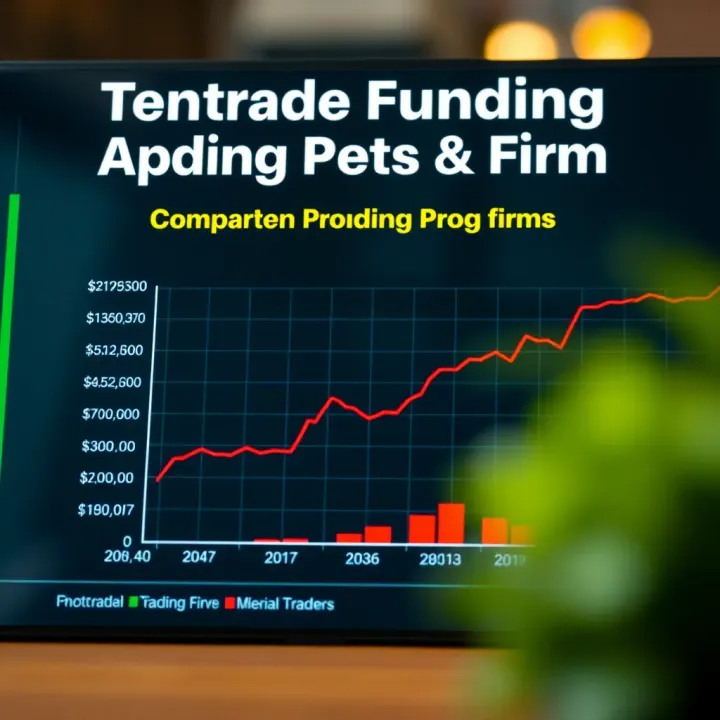
Explore Tentrade’s funding and trading edge 🔍, compare with other prop firms 📊, and get savvy on risks plus benefits for Nigerian traders ready to trade ₦ capital 💼.

Discover how BLUFX prop firm lets Nigerian traders trade company capital, earn profits, and navigate local market challenges for a smarter trading edge 📈🇳🇬
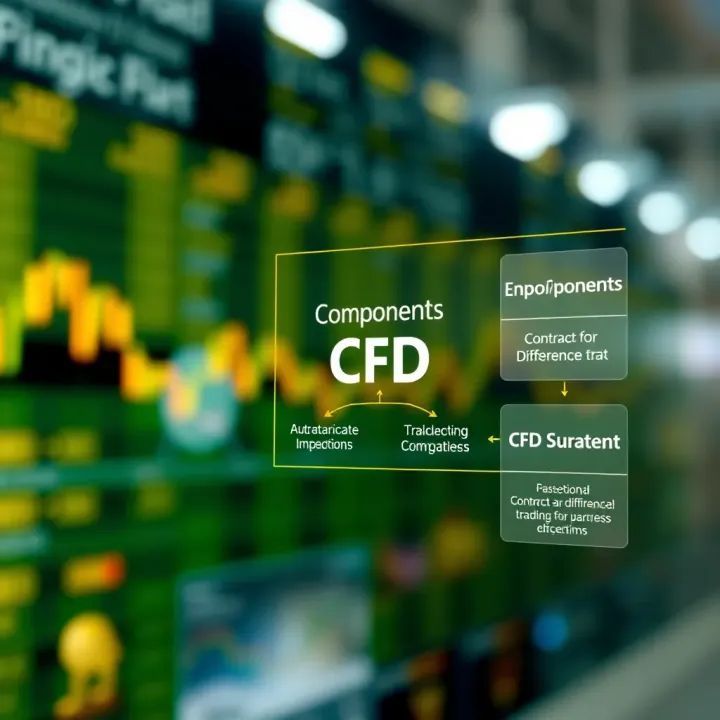
Learn how CFD trading works in Nigeria 🇳🇬, including benefits, risks, and tips for managing investments wisely in the ₦-zone. Ideal for savvy Nigerian investors!
Based on 13 reviews