
Understanding CFD Trading in Nigeria
Learn how CFD trading works in Nigeria 🇳🇬, including benefits, risks, and tips for managing investments wisely in the ₦-zone. Ideal for savvy Nigerian investors!
Edited By
Emily Cartwright
Trading chart patterns are visual displays used by traders and investors to predict future market behaviour based on historical price movements. Mastering these patterns equips you with a clear edge when making decisions in the Nigerian financial markets, where volatility can be high and timing is everything.
These patterns form on price charts through the interplay of buyers and sellers, reflecting shifts in market sentiment. Identifying them accurately helps you spot potential entry and exit points, manage risks better, and improve your chances of turning profits amidst market ups and downs.

In practice, common patterns like Head and Shoulders, Double Tops and Bottoms, and Triangles appear regularly on exchange platforms such as the Nigerian Stock Exchange (NGX) or even in forex trading via local brokers. Recognising these can signal trend reversals or continuations. For example, spotting a Head and Shoulders pattern early could warn you of a possible downturn in a blue-chip stock, enabling timely selling before prices drop.
Chart patterns are not foolproof, but when combined with volume analysis and other indicators, they form a powerful toolkit for technical traders. Since Nigerian markets face unique factors like naira volatility and intermittent liquidity, grounding your strategy on tested chart patterns helps cut through noise and focus on actual market signals.
Practical knowledge of chart patterns saves you from chasing false moves, a common pitfall among novice traders in Nigeria’s energetic but sometimes unpredictable markets.
This guide offers a practical explanation of key chart patterns, tips on how to identify them, and directs you to reliable PDF resources packed with visual examples. These resources serve as handy references that you can consult anytime, sharpening your trading skills whether you’re day trading Lagos shares or investing in agricultural commodities.
By blending pattern recognition with local market awareness, you’re better armed to navigate the tricky waters of Nigerian investments and boost your gains.
Next, we will explore the specific types of chart patterns you should know, along with how to use them effectively in your trading practice.
Knowing trading chart patterns is a must if you want to navigate financial markets well. These patterns show how price moves and help traders predict possible future movements. By understanding chart patterns, you get a clearer picture of market sentiment without relying solely on guesswork. For example, spotting a "head and shoulders" pattern on a Nigerian blue-chip stock, like Dangote Cement, can signal a likely trend reversal, giving you a chance to time your entry or exit smarter.
Trading chart patterns are shapes and formations created by price movements on a chart over time. These shapes are not random; instead, they represent repeated market behaviours that traders can use to anticipate what might come next. Think of it like reading the sky before rain — the patterns give hints about price direction based on past occurrences. Common examples include triangles, flags, and double tops.
Chart patterns matter because they encapsulate crowd psychology — fear, greed, hesitation — reflected in buying and selling activities. When many traders recognize the same pattern, it often results in predictable price responses. This makes chart patterns a valuable tool, especially when combined with other analysis methods. For Nigerian traders, who face market quirks like volatility and liquidity challenges, patterns can offer early warnings and help reduce risks.
Trendlines connect specific highs or lows on a chart, outlining the general direction of an asset’s price over time. Support levels mark prices where demand tends to restart, preventing prices from falling further. Both are crucial to identifying patterns because they define boundaries within which price moves.
For instance, when the price of an NGX-listed stock approaches a well-established support level, traders watch closely to see if it bounces back — that could confirm a pattern like a double bottom, signalling a potential buy opportunity.
Volume shows the number of shares or contracts traded in a period, and it often confirms the strength of a pattern. If a breakout from a pattern occurs on high volume, it suggests that many traders support the move, increasing its reliability.
In Nigeria’s relatively emerging market, volume spikes during major news events or earnings releases can validate chart signals, making volume analysis especially relevant when trading stocks like GTBank or Access Bank.
Patterns vary in duration, from minutes in day trading to weeks or months in long-term investing. The time frame you analyse determines pattern relevance; a triangle forming over days means something different from one developing over several months.
Nigerian traders should consider their trading style and typical market conditions when choosing time frames. For example, short-term patterns might be better suited for traders using mobile apps like Kuda or OPay for quick trades, while investors may focus on longer-term patterns for portfolio decisions.
Understanding these elements helps you read charts like a pro, making your trading decisions sharper and backed by real data rather than emotions.
In summary, grasping what chart patterns are, why they matter, and how key factors like trendlines, volume, and timeframes influence them equips traders and investors with a powerful edge in the Nigerian market and beyond.
Common trading chart patterns serve as the roadmap for many traders and investors aiming to catch market moves early and accurately. These patterns reflect the market's psychology, showing where price action might reverse or continue, based on how buyers and sellers behave over time. Understanding these patterns allows you to make more informed decisions, particularly in volatile markets like those of Nigerian equities or forex. For example, recognising a reversal can help you exit a position before a downturn, while spotting a continuation gives you confidence to hold or add to your trade.
The head and shoulders pattern is a classic signal that marks a potential trend reversal. It consists of three peaks: a higher peak (the head) flanked by two lower peaks (the shoulders). When the price breaks below the neckline connecting the two troughs, the uptrend often ends, signalling a sell opportunity. In practice, this pattern helped traders spot trend shifts in Nigerian blue-chip stocks like Dangote Cement during its 2023 price correction, allowing timely exits.
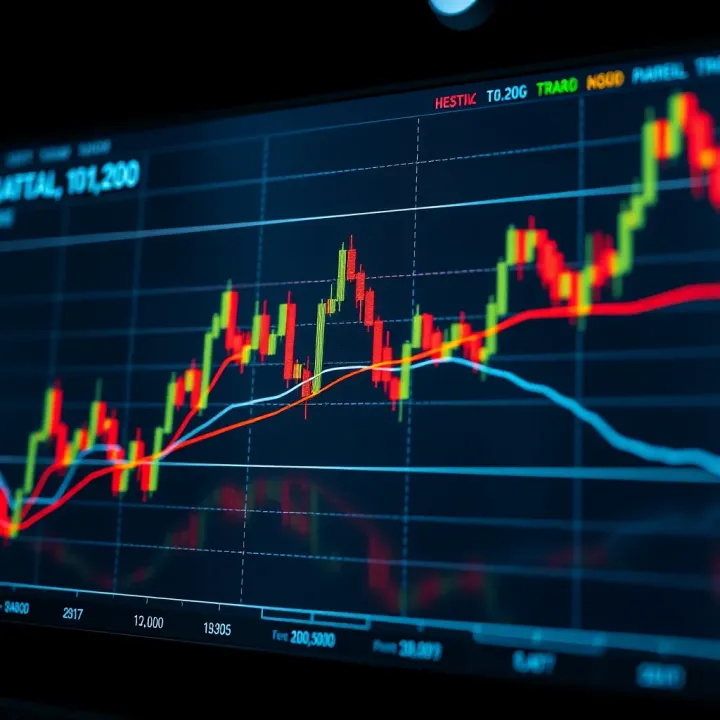
Double tops and bottoms show strong attempts at breaking resistance or support levels twice without success, often leading to reversals. A double top forms when price hits a high, pulls back, then hits the same high again before falling. Conversely, a double bottom marks a support tested twice before price climbs. Nigerian stock like MTN Nigeria showed a clear double bottom in mid-2023, signalling a buying point for traders after prolonged declines.
Triple tops and bottoms are less common but provide stronger confirmation of reversals. They show repeated failed attempts to break key levels three times, signalling exhaustion of buyer or seller strength. For instance, a triple top forming on a currency pair like USD/NGN signals persistent resistance and likely retreats, a hint useful for forex traders navigating the often turbulent Nigerian FX market.
Triangles indicate consolidation periods before the trend continues in the original direction. An ascending triangle has rising lows and a flat resistance, hinting at bullish continuation; descending triangle is the opposite, often bearish. Symmetrical triangles show contracting price volatility, with the eventual breakout direction giving trading clues. Nigerian traders can spot these in shares of fintech firms, where periods of sideways trading precede strong moves.
Flags and pennants appear after sharp price movements and represent brief pauses or ‘breathers’ before the trend resumes. Flags are rectangular-shaped, sloping against the trend, while pennants look like small symmetrical triangles. For example, the Nigerian stock market often shows flag patterns during earnings seasons, signalling quick market corrections before the main uptrend continues.
Rectangles form when price moves sideways between clear support and resistance levels. This pattern signals indecision but offers a practical trading range to buy near support and sell near resistance. Once price breaks out, traders expect a continuation of the previous trend. In the Nigerian oil and gas sector, rectangle patterns can anticipate movements reacting to global oil price changes.
Understanding these common patterns equips traders with a solid framework to read market behaviour and choose entry or exit points, especially in dynamic markets like Nigeria where volumes and volatility fluctuate often.
Knowing how to spot and apply trading chart patterns can significantly improve your decision-making in the market. These patterns offer visual clues about where prices may head next, helping you time your trades better and reduce unnecessary risks. Nigerian traders who understand these signals can avoid guesswork, especially when the naira-dollar rate swings or when local stocks react to economic news.
Start by choosing a clear time frame—daily or 4-hour charts tend to reveal meaningful movements. Next, check for well-defined trendlines; patterns like triangles or head and shoulders become valid only when these lines connect notable highs and lows. Confirm the pattern forms over a reasonable duration; sharp, short-lived shapes may just be market noise.
For example, on the NGX (Nigerian Exchange) equities chart of Dangote Cement, spotting a double bottom pattern that spans several weeks could indicate a strong support level before a price surge. Also, always cross-check volume trends: a pattern with consistent volume behaves differently than one formed on thin trading days.
False breakouts are a major trap. Prices may briefly move beyond a pattern line, luring traders to enter prematurely before reversing. To reduce this risk, wait for a decisive close beyond the pattern boundary and watch accompanying volume spikes.
Also, don’t rely solely on pattern shape. Sometimes patterns resemble textbook examples but happen in the middle of an unrelated trend, which can cause wrong interpretation. Context matters—understanding the overall market sentiment and economic backdrop is crucial.
Moving averages smooth out price data, highlighting trends and potential reversals. For instance, the 50-day and 200-day moving averages are widely watched by Nigerian traders, especially for stocks like MTN Nigeria or Guaranty Trust Bank. If a bullish chart pattern coincides with price crossing above these averages, it signals stronger confirmation to buy.
Using moving averages alongside patterns helps filter noise. For example, a breakout from a rectangle pattern supported by the 50-day moving average suggests the trend may continue upwards, giving traders more confidence to enter.
The RSI measures momentum on a scale from zero to 100. When attached to chart patterns, it shows whether an asset is overbought or oversold. In Nigeria’s forex market, if USD/NGN shows a bullish flag pattern but RSI is above 70, signalling overbought conditions, caution is advised before buying.
Conversely, an oversold RSI (below 30) near a reversal pattern often indicates a potential price bounce. So, RSI acts like a red or green light to confirm or question the pattern’s reliability.
Volume supports the validity of chart patterns. Rising volume during pattern formation, like increasing trades on ascending triangles or double bottoms, shows strong market participation, making breakouts more credible.
In the Nigerian stock market, thin volume can mislead traders. For example, a breakout in a low-volume trading session on a company like Seplat Energy should be viewed sceptically since it lacks broad support. Always check if volume rises as price breaks pattern lines to avoid falling for weak moves.
Successful traders blend pattern observation with indicators and market context to make smarter, more profitable moves.
By mastering these steps and tools, you can avoid common mistakes and use chart patterns as reliable guides in your trading activities across Nigerian markets and beyond.
Chart pattern PDFs serve as practical manuals that traders can refer to repeatedly for better understanding and recognition of market signals. Instead of relying solely on live charts, which can be overwhelming especially for beginners, having PDFs as a ready reference helps reinforce learning and allows for convenient offline study. For Nigerian traders dealing with volatile markets and sometimes inconsistent internet access, these documents provide a reliable way to refresh knowledge without being constantly online.
PDF guides condense complex chart patterns into clear diagrams and concise explanations. This visual format aids retention far better than plain text or verbal descriptions. For instance, having a PDF detailing the nuances of the Head and Shoulders pattern enables traders to compare it side-by-side with live price movements. Also, PDFs often include tips on interpreting volume changes and time frames associated with each pattern, which are essential for confirming trades.
Moreover, PDF resources can be revisited at your own pace, making them ideal for incremental learning. Beginners may focus on a few patterns, while more experienced traders might use PDFs to refine strategies or explore advanced formations like triangles or pennants.
Many brokerage firms and online trading platforms like MTN’s MTN CLIQ or globally recognised ones such as IG Group and Saxo Bank offer downloadable chart pattern PDFs. These are often part of their educational materials tailored specifically for their clients. Leveraging these ensures you get accurate and practical information directly linked to the platforms where you execute trades. For Nigerian traders, checking platforms that integrate with local banks or offer NGN account funding can be particularly helpful.
There are several online education sites such as Investopedia, BabyPips, and Coursera that provide comprehensive PDF materials on chart patterns. These often complement video lessons with printable guides, allowing traders to pause and study crucial points. Courses offered by reputable Nigerian financial education providers or universities also sometimes provide downloadable content that adapts global concepts for the Nigerian market context, which can be invaluable for contextual understanding.
Local trading communities and fintech hubs in Lagos, Abuja, or Port Harcourt have started producing chart pattern resources tailored for Nigerian traders. Platforms like the Nigerian Stock Exchange (NGX) or Nairametrics sometimes release free or affordable PDFs that focus on patterns relevant to Nigerian equities and FX markets. Engaging with these communities through WhatsApp or Telegram groups also gives access to curated resources and peer discussions, which add practical context beyond theory.
To get the most from chart pattern PDFs, treat them as interactive study guides rather than just static documents. Practice by matching each pattern in the PDF with real charts on platforms like MTN CLIQ or GTBank’s trading app. Create a checklist from the PDF details, noting characteristics like volume spikes or pattern duration. Over time, test yourself by spotting patterns on live charts without looking at the guides first, then confirm your observations with the PDFs.
Also, use these PDFs as a reference during your trading sessions. Keep them accessible, whether on your phone or printed out, so you can quickly verify pattern setups. This reinforcement sharpens your pattern recognition and can give you confidence to act decisively in fast-moving Nigerian markets, especially during periods of high volatility like ember months.
Having a good PDF resource by your side turns abstract chart formations into clear, actionable trade ideas — a key tool that all serious Nigerian traders should not overlook.
Trading chart patterns are universal tools, but applying them effectively in the Nigerian market requires adjustments. Nigeria’s stock market and forex environment come with unique challenges like liquidity constraints, regulatory issues, and economic fluctuations. Understanding how to adapt global chart patterns to these realities can sharpen your trading strategy and help avoid costly mistakes.
While chart patterns such as head and shoulders or triangles look the same on any market chart, their behaviour in Nigerian stocks or the NGN/USD forex pair reflects local market quirks. For example, Nigerian equities can experience sudden price jumps due to corporate announcements or government policy changes, often without prolonged build-up seen in other markets. This means traders must confirm patterns with volume and other indicators before acting.
In forex trading, especially pairs like NGN/USD or NGN/GBP, volatility tends to spike during political or economic announcements. Recognising these pattern breakouts and false signals becomes critical. For instance, a symmetrical triangle on the NGN/USD chart might dissolve into erratic moves if the CBN intervenes. Hence, Nigeria-specific factors require careful interpretation alongside global technical analysis standards.
Nigeria’s market is significantly affected by factors such as naira depreciation, inflation rates, fuel subsidy adjustments, and electoral cycles. These aspects cause unpredictable price swings that challenge standard chart pattern reliability. For instance, during the ember months, increased trading volume often leads to patterns breaking sooner or later than expected.
Economic news—like CBN monetary policy rate changes or crude oil price shifts—can cause sudden trend reversals or continuation pattern failures. Successful traders watch these macro factors closely to decide whether to trust a pattern or wait for further confirmation, blending technical skills with market awareness.
Mobile trading apps have revolutionised how Nigerians access and act on market data. Platforms like GTBank's app, Trove, and Bamboo allow you to monitor chart patterns on the go, making it easier to react swiftly to trading opportunities. Since market moves in Nigeria can be fast and sometimes unpredictable, having reliable apps with real-time data helps traders confirm patterns and place orders quickly, even while on okada rides or during short breaks.
Chart patterns help identify entry and exit points, but Nigerian markets’ volatility means risk management is vital. Always pair pattern recognition with stop-loss orders to cap potential losses. For example, if a double bottom forms on Dangote Cement shares, setting a stop-loss slightly below the breakout point can protect you if the pattern fails due to sudden news.
Risk management also means not over-leveraging. While pattern signals can feel convincing, Nigerian markets sometimes throw curveballs, especially around election seasons or when fuel subsidies change. Keeping position sizes small safeguards your portfolio from unexpected shocks.
Using chart patterns alongside fundamental analysis improves trading decisions. Nigerian companies’ earnings reports, government policies, or sector regulations add crucial context. For instance, a bullish flag on MTN Nigeria’s chart becomes more meaningful if the company just announced a strong subscriber growth or dividend.
Likewise, knowing the macroeconomic outlook—like inflation trends or CBN’s forex policies—can help validate or question technical signals. Always cross-check chart patterns with news and reports for a more complete picture. This combined approach reduces reliance on patterns alone and increases your chance of profitable trades.
Successful trading in Nigeria depends on blending global technical tools with local market realities. Adapting, managing risk wisely, and pairing patterns with solid fundamentals give you an edge in this dynamic environment.
Learn how CFD trading works in Nigeria 🇳🇬, including benefits, risks, and tips for managing investments wisely in the ₦-zone. Ideal for savvy Nigerian investors!

📈 Master expert option trading with tailored strategies for Nigerian investors. Learn smart techniques, risk management, and market signals to grow ₦portfolios safely.

🔍 Want to start copy trading in Nigeria? Learn how to pick the best platform for safe, savvy investing with tips on traders to follow and securing your ₦ funds.

📈 Learn about synthetic trading, its workings, pros & cons, and how it compares to traditional methods in Nigeria's financial markets. 💼💡
Based on 9 reviews