

When Does the New York Trading Session Start in Nigeria?
📈 Learn exactly when the New York trading session starts in Nigeria, how to track time changes, handle daylight savings, and optimize your trading schedule!
Edited By
Daniel Fletcher
The New York trading session is a significant part of the global financial markets, and understanding its timing from a Nigerian perspective is vital for local traders, investors, and financial advisors. This session typically runs from 8:00 am to 5:00 pm Eastern Standard Time (EST). Nigeria, operating on West Africa Time (WAT), is usually five hours ahead of New York, though this difference can change to four hours when the United States shifts for daylight saving time.
In practical terms, the New York session begins in Nigeria at 1:00 pm or 12:00 noon during daylight saving periods and closes by 10:00 pm or 9:00 pm respectively. This timing overlaps partially with the London session, another major market, creating a window of increased market activity. For Nigerian traders focusing on forex, commodities, or stocks that track US indices, these hours represent the peak period for liquidity and volatility.
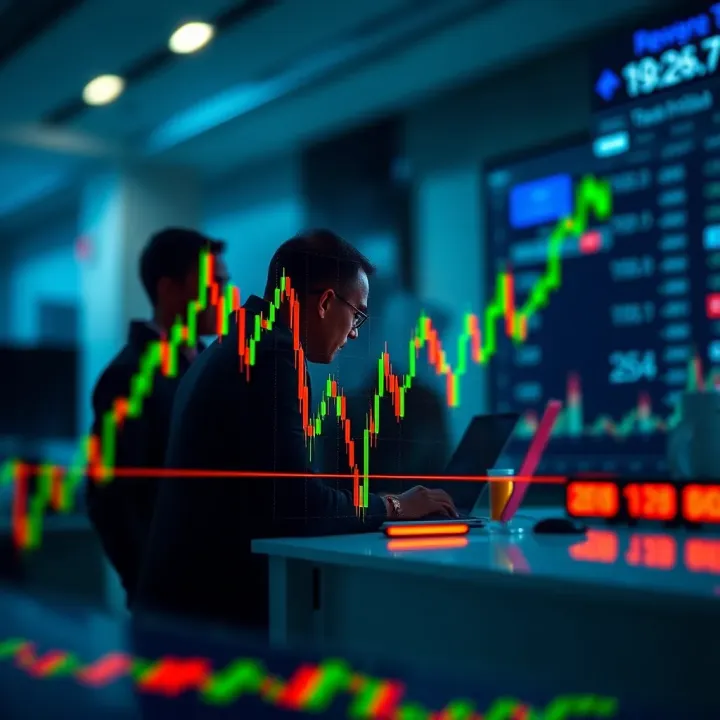
For Nigerian investors, grasping the New York session timing helps in scheduling trades during periods of high volume and potential price movement, improving chances to seize favourable opportunities.
The five-hour gap means many Nigerian traders get into the swing of the New York session in the early afternoon. This clashes with typical working hours for some but fits neatly for others who adjust their trading days accordingly. Awareness of when markets open and close in New York is critical, especially for day traders or those with short-term strategies.
A forex trader in Lagos looking to trade USD/NGN pairs will find more activity and tighter spreads during this session.
Nigerian investors tracking the Dow Jones or S&P 500 indices should monitor the timing to align buy or sell decisions with market-moving events in New York.
New York session runs between 1:00 pm and 10:00 pm WAT (standard time); 12:00 pm to 9:00 pm during US daylight saving.
This period offers higher market liquidity, critical for executing trades efficiently.
Nigerian traders and investors benefit by timing their strategies around these hours to catch market momentum.
Understanding these timings is not just about checking a clock; it impacts how you plan your trading day, manage risks, and capitalise on market trends that affect local and international portfolios alike.
Understanding how the New York trading session aligns with Nigerian local time is crucial for traders and investors who want to make informed decisions. The New York session is one of the most active trading periods globally, especially in forex and commodity markets. Nigerian traders benefit from knowing its timing because it directly influences market liquidity, pricing volatility, and trade execution.
New York operates on Eastern Time (ET), which is usually five hours behind Nigerian Standard Time (WAT). Nigeria is fixed at UTC+1, while New York alternates between UTC-5 and UTC-4 depending on daylight saving time. For example, during standard time, when it is 9 am in New York, it is 2 pm in Lagos. This means Nigerian traders join the market in the afternoon, which can affect their daily trading schedule.
The five-hour difference also means that some market events happening early in New York might already be late afternoon or evening in Nigeria. This impacts traders who need to monitor market-moving news or economic data releases published during the New York session.
New York observes daylight saving time (DST) from roughly the second Sunday in March to the first Sunday in November. When DST starts, clocks in New York jump forward by one hour, reducing the time difference to four hours ahead for Nigerian traders. From this point, if it is 9 am in New York, it becomes 1 pm in Lagos, instead of 2 pm.
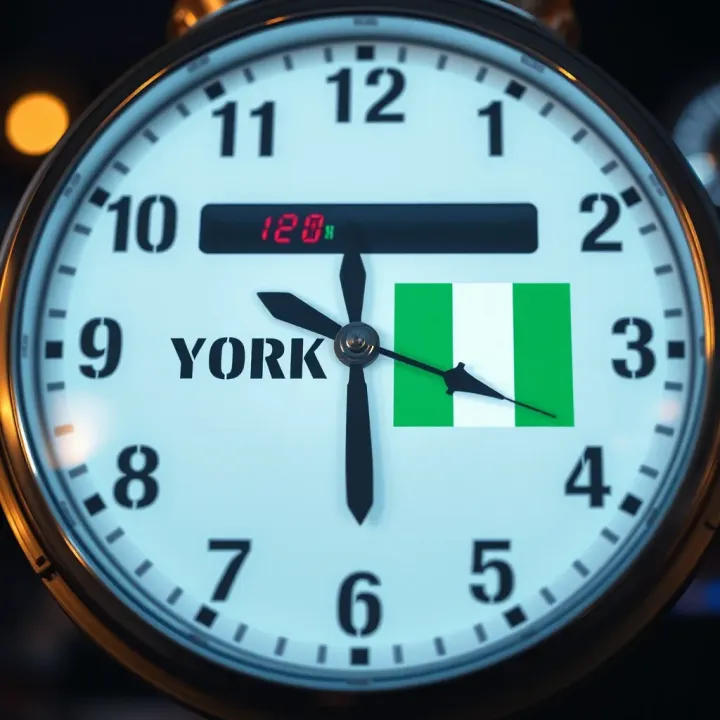
For Nigerian investors, this seasonal time shift requires close attention to avoid missing key trading moments. Many platforms and brokers may automatically adjust for DST, but traders should double-check to ensure their trading schedules reflect the correct local times.
A practical example: during the ember months in Nigeria, when energy costs rise and workdays extend late, the New York session opening might overlap with Nigeria’s busy evening activities. Traders who rely on manual monitoring must plan ahead to balance market opportunities with their daily routines.
Knowing exactly when the New York trading session starts and ends in Nigerian time helps traders position themselves better to catch liquidity peaks and avoid unexpected market moves.
By mastering the time difference and keeping track of daylight saving changes, Nigerian traders can better sync their activities with global markets. This knowledge improves trade timing, boosts responsiveness to economic releases, and ultimately enhances trading success on both forex and other asset markets.
The New York trading session holds significant sway over global financial markets, and Nigerian traders can't afford to ignore it. Since New York is a major financial hub, the session drives liquidity, volatility, and market trends that spill over into Nigerian markets. For traders dealing in foreign exchange, equities, or commodities, understanding New York's timing and impacts can shape smarter investment choices.
The forex market sees its most liquid period during the New York session, especially when it overlaps with the London session. For Nigerian traders, this is particularly relevant because of the naira's susceptibility to global currency flows and dollar demand. For instance, when the US Federal Reserve announces interest rate changes or economic data like Nonfarm Payroll numbers, the naira-dollar (₦/$) exchange rate can shift sharply within minutes.
These price swings offer both risks and opportunities. A Nigerian trader using platforms like Kuda or OPay must track these timings carefully to avoid sudden losses or exploit favourable conditions. Also, cross-border trade settlements and import-export businesses in Nigeria are affected by how the naira moves against the dollar during this session, influencing pricing and profit margins.
Though Nigerian markets mainly operate within West Africa Time, the ripple effects of New York’s trading are often felt due to the influence of international investors and global economic events. Assets like Nigerian Exchange Group (NGX) equities can respond to shifts in global indices or commodities prices traded in New York.
For example, fluctuations in crude oil prices during the New York session matter deeply because Nigeria’s economy depends heavily on oil exports. So, a sudden drop in oil futures on the New York Mercantile Exchange can lead to a weakened naira and a stock market slump in Lagos by the next trading day.
Furthermore, Nigerian pension funds and mutual funds increasingly consider global market movements that start in New York when adjusting their portfolios. Understanding this helps investors and financial advisors foresee trends and protect assets.
Nigerian traders and investors who closely watch the New York session gain a strategic advantage. Being alert during this period means reacting promptly to market news and riding the right waves, rather than being caught off guard by sudden changes.
In essence, the New York session sets the tone for global markets during Nigerian daytime hours, making awareness of its dynamics key for anyone looking to navigate financial markets successfully within Nigeria.
Trading during the New York session offers Nigerian investors a unique chance to engage in some of the most liquid and volatile markets. Knowing how to navigate this window effectively can boost your chances of success and help you respond quickly to global market movements. Understanding the best times to trade and the tools available is critical, especially considering the time difference and market behaviour during these hours.
The New York trading session runs from 8:30 am to 3:00 pm Eastern Time (ET), which corresponds roughly to 1:30 pm to 8:00 pm Nigerian Time (WAT) during standard time and 12:30 pm to 7:00 pm during daylight saving time. For Nigerian traders, the most active and profitable periods tend to be the overlaps with the London session (1:30 pm–4:00 pm WAT) when liquidity spikes.
Focusing on the first two hours after the overlap opens is often wise. This is when volatility is typically at its peak due to the convergence of major market players from both continents. For example, traders looking at forex pairs like USD/NGN or EUR/USD may find better price movement and tighter spreads during this time.
To avoid unnecessary risk, Nigerian investors should be cautious late in the session when volumes drop, as price movements can become erratic and less predictable. Also, it's wise to monitor news releases scheduled during the New York session, because important economic data can trigger sudden market swings.
Having the right tools can make a big difference. Many Nigerian traders prefer platforms like MT4 and MT5 due to their user-friendly interfaces and extensive features for charting and automated trading. These platforms are widely supported by Nigerian fintech firms offering easy access to forex and commodity markets.
Besides MetaTrader, local apps such as Kuda and Piggyvest have begun integrating investment features suitable for casual traders who want to tap into global markets without complicated setups. For serious traders, dedicated charting services like TradingView provide real-time data and customizable technical indicators.
Brokerage firms with Nigerian presence, like FXTM and HotForex, also offer platforms tailored to the needs of Nigerian traders, including local deposit and withdrawal methods which help circumvent the challenges of international banking systems.
Being equipped with the right trading hours knowledge and tools helps you time your trades better and avoid costly mistakes. Practical preparation means you don’t just trade; you trade smart.
Remember, effective trading during the New York session requires not only understanding when to act but also the tools that allow swift, informed decisions fit for the Nigerian context.
The New York trading session is significant for Nigerian markets because many global events and data releases happen during this time, shaping market trends that ripple through to Nigeria. Traders and investors watching from Nigeria must understand these events to anticipate shifts in currency values, stock prices, and commodity markets.
Several economic indicators published in New York directly impact markets worldwide, including Nigeria’s. Reports like the US Nonfarm Payrolls, Consumer Price Index (CPI), and Retail Sales data can trigger sharp movements in currency pairs involving the US dollar and naira. For example, when US employment data beats expectations, the dollar often strengthens. This strength typically causes the naira-dollar exchange rate to adjust, affecting import prices and inflation in Nigeria.
Other releases such as the US Federal Reserve interest rate decisions and manufacturing indices also draw global attention. Nigerian investors with exposure to dollar-denominated assets or forex trading must time their moves around these announcements to either capitalise on volatility or minimise risk. Ignoring these key data points can lead to unexpected losses or missed opportunities.
Beyond scheduled data releases, breaking news and official statements from US policymakers and financial institutions during the New York session can sway the naira’s value. For instance, changes in US trade policy, sanctions, or shifts in oil market expectations announced during this session often influence Nigeria’s oil revenues — the backbone of its economy — which in turn impacts the naira.
Political developments within the US, such as decisions around fiscal stimulus or foreign aid, can indirectly affect Nigeria’s economic outlook. Likewise, announcements from multinational firms headquartered in New York with significant Nigerian operations may affect investor confidence and stock prices on the Nigerian Exchange (NGX).
Nigerian traders should keep a close eye on New York’s calendar and news sources, as events there often set the tone for Nigeria’s forex markets, equities, and commodities. Timing trades or investment decisions without this context risks being caught off-guard by market swings.
In practice, Nigerian traders often combine economic calendars with regular updates from reliable financial news outlets to track New York session events. This strategy helps them plan, whether they want to enter forex positions or need to assess how changes will impact Nigerian stocks and sectors like banking, oil, and telecommunications.
Understanding these global connections equips Nigerian investors to navigate volatile periods and align their strategies with market rhythms, especially during the active New York trading hours.
📈 Learn exactly when the New York trading session starts in Nigeria, how to track time changes, handle daylight savings, and optimize your trading schedule!

🕒 Learn how New York Forex session times sync with Nigerian local time, tips to trade smart during this key session, and manage daylight saving shifts smoothly!

⏰ Curious when New York's trading session starts in Nigeria? Learn how time zones & daylight saving affect schedule to optimize your trading moves effectively.
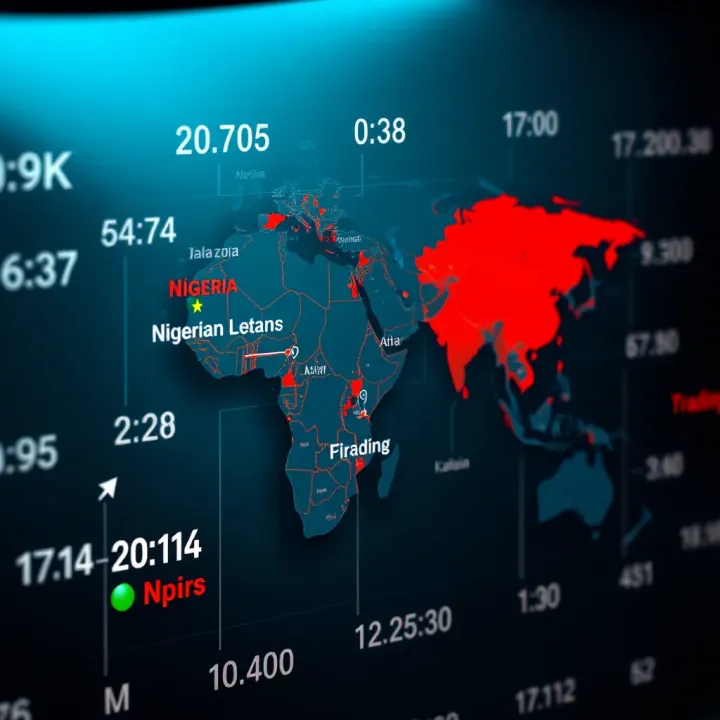
Learn how Nigeria's local time aligns with the Asian trading session ⏰ and why it matters for your forex trading strategy in global markets 🌏💹.
Based on 11 reviews