
Understanding Margin in Forex Trading
📊 Learn how margin works in forex trading, understand leverage, manage risks effectively, and boost your trading skills in Nigeria's market.
Edited By
Emily Grant
Margin in forex trading is the deposit a trader puts down to control a larger position in the currency market. Think of it as a security buffer or collateral, not the full cost of the trade. This system allows Nigerian traders to multiply their market exposure without needing to stake the entire value upfront.
For instance, if a trader wants to open a position worth ₦1,000,000 but the margin requirement is 2%, they need only ₦20,000 as margin to take that trade. The broker provides the rest as leverage, effectively amplifying both potential profits and risks.

Understanding margin is essential because it affects how much risk you take and how long you can keep your trades open. Traders in Nigeria must pay attention to their margin levels since the naira’s volatility and occasional market shocks can quickly eat into margin, leading to forced liquidations or margin calls.
Always monitor your margin closely to avoid unexpected losses or being kicked out of positions prematurely.
Here are key points Nigerian traders should keep in mind about margin:
Margin is not a fee: It’s a part of your capital held by the broker to cover potential losses.
Leverage comes with margin: Higher leverage requires less margin but increases risk.
Margin calls happen: If losses reduce your account equity below the required margin, brokers will demand extra funds or close positions.
Different brokers have varying margin policies: Always check requirements before trading.
For Nigerian traders navigating forex, knowing how to manage margin means balancing between maximising opportunities and protecting your capital from the fast-moving forex market.
This understanding lays the foundation for smarter, more conscious trading decisions, especially amid the unique economic conditions within Nigeria.
Margin is a fundamental concept in forex trading, especially for Nigerian traders. Simply put, margin is the collateral you must provide to open and maintain a trade position. It acts like a security deposit with your broker, allowing you to control a larger amount of currency than your actual investment. Without margin, you would need to pay the full value of a trade upfront, which limits your trading potential.
Margin is essential because forex trading typically involves leveraging small amounts of capital to access greater market exposure. Nigerian traders often have limited funds, so margin allows them to participate meaningfully in the market. However, it’s crucial to understand that margin is not free money; it is simply the minimum amount required to keep your trades open.
Think of margin as a percentage of the total trade size set aside in your trading account. For example, if you want to open a ₦100,000 position with a 5% margin requirement, you must have at least ₦5,000 available as margin. This doesn’t mean you spend ₦5,000; rather, it’s held by the broker as security. This system allows traders to allocate their funds efficiently across multiple trades.
Margin is necessary because it protects the broker and ensures the trader has enough skin in the game. Since forex markets are highly leveraged and volatile, margin helps limit the broker’s risk. Nigerian traders should see margin as a safeguard rather than a free loan. It guarantees that if a trade moves against you, there’s a backup to cover potential losses.
Margin and leverage are closely related but not the same. Margin is the actual collateral needed to open a position, while leverage refers to the multiple of your trading power relative to your margin. For instance, if you have ₦10,000 in your account and use 50:1 leverage, you can control ₦500,000 worth of currency. The higher the leverage, the smaller the margin you need, but it also means greater risk, especially with unpredictable naira exchange rates.
Suppose you want to buy 1 standard lot of EUR/USD (which is 100,000 euros). If the broker requires a 2% margin, you must have 2% of the trade size in your account. That’s €2,000 (about ₦1,000,000 depending on the exchange rate). This amount stays blocked as margin until you close the position. Even though you control €100,000, you only need a fraction of that upfront.
Traders calculate required margin by multiplying the size of the position by the margin percentage. Using the previous example, if you want to trade 0.5 lots, required margin halves. Brokers often provide calculators on their platforms to simplify this process for Nigerian traders. Knowing your margin requirement helps avoid surprises and better manage your account balance.
Margin level is a percentage showing how much of your usable margin remains, calculated as (Equity / Used Margin) × 100. Equity is your account balance plus unrealised profits or minus losses. Maintaining a healthy margin level is essential to avoid margin calls, where the broker may close your positions if losses exceed your margin. Nigerian traders need to monitor this closely because volatile naira rates and platform downtime can affect account equity suddenly.
Remember: Good margin management is key to preserving capital and staying in the game longer.
Understanding what margin means and how to use it properly lets Nigerian traders expand their market access without exposing themselves to reckless risk. Always treat margin as a tool for disciplined trading, not a shortcut to quick riches.
Margin requirements set by forex brokers in Nigeria dictate the minimum collateral a trader must hold to open or maintain a position. These rules matter because they directly influence how much capital you need upfront and how much risk you can take. Since brokers differ in their margin policies, understanding the specifics helps you choose a platform suited to your trading style and capital size.
Standard margin percentages generally range from 1% to 5%, depending on the broker and the currency pair involved. For example, for major currency pairs like USD/EUR or USD/GBP, brokers often require around 1% margin, meaning if you want to control a ₦1,000,000 position, you need roughly ₦10,000 as margin. Smaller or more volatile pairs might demand higher margins, making it crucial for traders to check these percentages before committing funds.
Variation based on currency pairs comes into play because some pairs experience more frequent and greater price swings. Nigerian brokers adjust margin requirements accordingly; exotic pairs or currencies involving the Nigerian Naira (such as USD/NGN) may have higher margin calls because of local volatility. This means you might need to provide more collateral to trade pairs involving NGN compared to more stable majors, affecting your available leverage and risk exposure.
The regulatory outlook on margin trading in Nigeria is evolving but remains quite lenient compared to some global markets. The Securities and Exchange Commission (SEC) Nigeria does not impose strict limits on margin or leverage for forex but requires brokers to transparently disclose their margin terms and risk warnings. Traders must ensure their brokers comply with local rules and maintain a good reputation to avoid pitfalls associated with margin misuse or unethical trading practices.
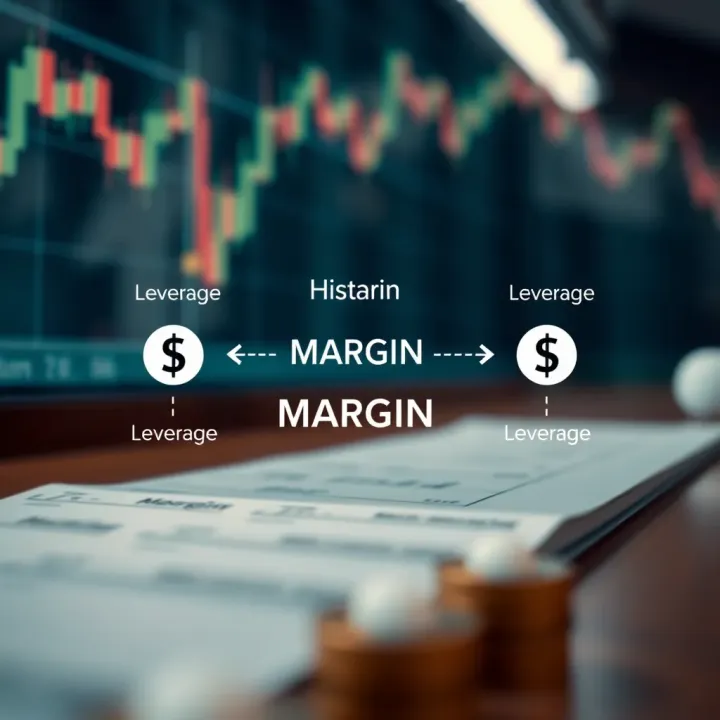
Accessing margin details on popular Nigerian platforms like FXTM, InstaForex, or local-focused brokers typically involves checking their website or trading app under sections like "Account Specifications" or "Trading Conditions." This page usually lists margin requirements per currency pair, leverage limits, and how margin calls are managed. Nigerian traders should regularly review these details since brokers can update margin rules without much notice.
Inquiry and support from brokers often provide the most straightforward way to clarify margin questions. Most brokers offer customer service via chat, email, or phone lines staffed during Nigerian business hours. If margin terms seem unclear or raising, asking directly how margin requirements will affect your trades can help avoid surprises, especially in periods of naira volatility or heightened market risk.
Keeping an eye on margin requirements with your chosen broker ensures you trade within your capital limits and reduces chances of sudden margin calls during market swings. Nigerian traders benefit greatly from being proactive in understanding these rules upfront.
By recognising the nuances of margin rules with Nigerian brokers, you can better navigate leverage and safeguard your trading account against unexpected losses.
Trading on margin can transform how Nigerian traders approach the forex market, but it brings both opportunities and threats. Understanding these is key to using margin wisely while protecting your capital. Let’s break down the main advantages and risks.
Margin allows traders to control larger positions than their actual investment. For example, with just ₦50,000, you could enter a trade worth ₦500,000 if your broker offers 10:1 leverage. This means your buying power multiplies without needing to tie up loads of capital upfront. For many Nigerian traders, especially those starting with modest savings, margin opens doors to bigger market exposure and increased trading flexibility.
Because you control bigger positions, profits from favourable market moves are magnified. Say the currency pair you buy moves 1% in your favour. On a ₦500,000 position, that’s ₦5,000 gain compared to just ₦500 if you traded only with your initial ₦50,000. This leverage can significantly enhance returns, helping active traders grow their accounts faster. Still, it’s vital to remember this potential can swing both ways.
When the market moves against your position, your account equity can fall below the required margin level. At this point, your broker may issue a margin call demanding extra funds or closing some positions to prevent further loss. Nigerian traders often face challenges here if not careful, especially during sharp currency swings or unexpected news. Margin calls can erode your capital fast if they catch you off guard.
Leverage doesn’t just magnify profits; it also boosts losses. Using the previous example, a 1% adverse move means a loss of ₦5,000 instead of ₦500. If the position worsens, your losses could surpass your initial funds, leaving you liable to cover negative balances. This risk is why many seasoned traders recommend conservative leverage settings rather than chasing big gains recklessly.
The naira’s frequent volatility adds a layer of complexity to margin trading in Nigeria. Sudden shifts in exchange rates can quickly change your overall account valuation, affecting margin levels. For instance, if you fund your account in naira but trade USD pairs, adverse naira swings may trigger margin calls even if your forex position hasn’t moved much. Nigerian traders should always factor in local currency risks and consider stabilising their accounts accordingly.
Trading on margin can turbocharge your forex activities but demands disciplined risk management. Ignoring the risks often leads to losses many Nigerian traders cannot afford.
By weighing these benefits and risks carefully, you can use margin to amplify your trading power without letting it expose you to unnecessary blows.
Managing margin effectively is vital for Nigerian forex traders aiming to safeguard their investments and maximise returns. Given the market's volatility and local challenges like naira fluctuations, traders must carefully balance their risk exposure with potential gains. Practical margin management helps avoid costly margin calls and keeps trading activities sustainable.
Leverage magnifies both profits and losses, so selecting the right amount is a delicate balancing act. For Nigerian traders, using very high leverage might seem tempting to multiply returns from a small capital base, but the risk of losing more than your deposit is real, especially when the naira fluctuates sharply. For example, a trader using 1:100 leverage can control ₦100,000 with just ₦1,000 margin, but even a slight market movement could wipe out the deposit quickly.
Therefore, balancing means picking leverage that gives meaningful market exposure without pushing capital to the edge. Many experienced traders favour moderate leverage such as 1:10 or 1:20 to keep risks manageable. This approach preserves the margin buffer and makes room for market swings without triggering margin calls instantly.
Smaller leverage settings reduce the chance of exposure to rapid losses. For instance, at 1:5 leverage, your position sizes are modest enough to handle unexpected market shocks and currency swings typical in the Nigerian environment. It promotes steady portfolio growth rather than chancing huge gains that often lead to heavy losses.
Adopting lower leverage builds discipline and lets you focus on learning the market’s rhythm. Nigerian traders relying on smaller leverage avoid chasing quick wins, which can be costly when compounded by the high volatility of pairs involving the naira or USD.
Keeping an eye on margin levels helps traders react before their accounts hit danger zones. Many Nigerian traders check their brokerage apps daily or even multiple times, especially during unstable periods like political events or ember months, when markets may wobble.
Setting alerts or notifications when margin falls below a set percentage ensures you can top up funds or close some positions before a call occurs. This vigilance lets you avoid forced liquidations, which usually come at unfavourable prices.
Stop-loss orders are vital for capping losses and locking in profits. For serious traders, placing stop-losses at reasonable levels—tailored to market conditions and volatility—helps control how much of your margin can be lost on any single trade.
For example, if you buy USD/NGN and place a stop-loss 1% below your entry, you limit exposure if the naira suddenly weakens beyond expectation. This method allows clients to stick to their trading plan without emotional interference.
Maintaining enough equity in your trading account is like keeping fuel in your vehicle; without it, you cannot go far. Nigerian traders should avoid depleting their balance with too many open positions or excessive margin utilisation.
A healthy equity cushion means that even if the market moves against your trades temporarily, you have room to withstand the impact. Many brokers recommend using no more than 50% of your equity for margin at any time to reduce risk.
Nigeria’s naira tends to experience periods of sharp fluctuation due to economic factors and FX shortages. Traders must factor this volatility into margin management by avoiding over-leveraging on naira pairs.
Also, frequent power outages can interrupt trading activities, increasing the risk of missing critical trade decisions. Having backup power solutions such as generators or UPS devices can be a lifesaver for active traders.
Brokerage platforms sometimes suffer downtime due to network issues or server overload, especially during volatile market hours or major news releases. Nigerian traders should prepare by limiting exposure during such times and keeping alternative devices or trading platforms ready.
Manual monitoring and switching between platforms (where possible) help to reduce losses from unexecuted trades or delayed orders.
Funding and withdrawing from your trading account via local methods like GTBank Transfer, Paystack, or Opay is more convenient and faster than international wire transfers. Efficient payment methods help keep your account funded promptly, supporting timely margin requirements and avoiding disruptions.
In summary, Nigerian forex traders who manage margin with discipline—balancing leverage, using risk controls, and adapting to local conditions—stand a better chance of trading profitably without falling victim to margin calls or unexpected losses.
Effective margin management is less about chasing quick gains and more about steady, consistent handling of risk and opportunity in Nigeria’s dynamic forex market.
Margin is a fundamental aspect of forex trading, especially for Nigerian traders looking to make the most of their capital. It allows traders to control larger positions with a smaller amount of money, increasing potential profits. But this same power can lead to significant losses if not handled carefully. Understanding how margin works, its risks, and how to manage it effectively is essential for anyone serious about trading forex in Nigeria.
Margin is the collateral you need to open and maintain a forex position; it’s not a fee or cost.
Leverage amplifies your exposure but also increases risk, so it must be chosen with caution.
Nigerian brokers often have varying margin requirements depending on the currency pair and local regulations.
Managing margin means monitoring your equity constantly, setting stop-loss orders, and avoiding excessive leverage.
Local challenges like naira volatility and occasional platform downtime make prudent margin management even more crucial.
Different brokers have diverse margin policies and trading conditions. It’s crucial to read and understand these terms before committing your funds. For example, one broker may offer a 2% margin on major currency pairs, while another demands 5% or more. These differences impact how much capital you need upfront and your risk exposure. Also, pay attention to the broker’s policies on margin calls and liquidation, as this can affect when they close your positions automatically.
Regularly checking updates or announcements from your broker helps you stay ahead of any changes in margin requirements. For Nigerian traders, where the forex market is often affected by naira exchange rate swings, keeping track of such terms ensures you don’t get caught off guard.
Trading on margin is tempting because it amplifies potential gains, but it also increases losses. If you overextend, you risk losing more than you can afford. For instance, using very high leverage to try and double your ₦50,000 account quickly often ends in a margin call, wiping out your funds.
Understanding your personal comfort with risk helps prevent reckless trades. Setting realistic limits and sticking to them protects your capital, enabling you to trade longer and learn from actual market movements rather than rushing and losing money in volatile moments.
Margin should help you improve your trading efficiency, not become a lifeline when you lack funds. Relying on margin to cover poor strategy or impulsive decisions can lead quickly to bankruptcy. Instead, treat margin as a lever to be used thoughtfully: enhance your trading size carefully after you understand your market and have a strategy.
Smart traders use margin to balance opportunity with safety. When market conditions are unstable, like during naira depreciation or political uncertainty, it’s wiser to reduce leverage and keep more funds in reserve than to chase big returns.
In short, margin is a powerful aspect of forex trading best handled with respect and good discipline. For Nigerian traders, combining sound knowledge with cautious application will increase the chance of success and reduce costly mistakes.
📊 Learn how margin works in forex trading, understand leverage, manage risks effectively, and boost your trading skills in Nigeria's market.
Learn how margin works in forex trading 💱, understand types of margin, risks, and top tips to manage your leveraged positions smartly in Nigeria 🇳🇬.
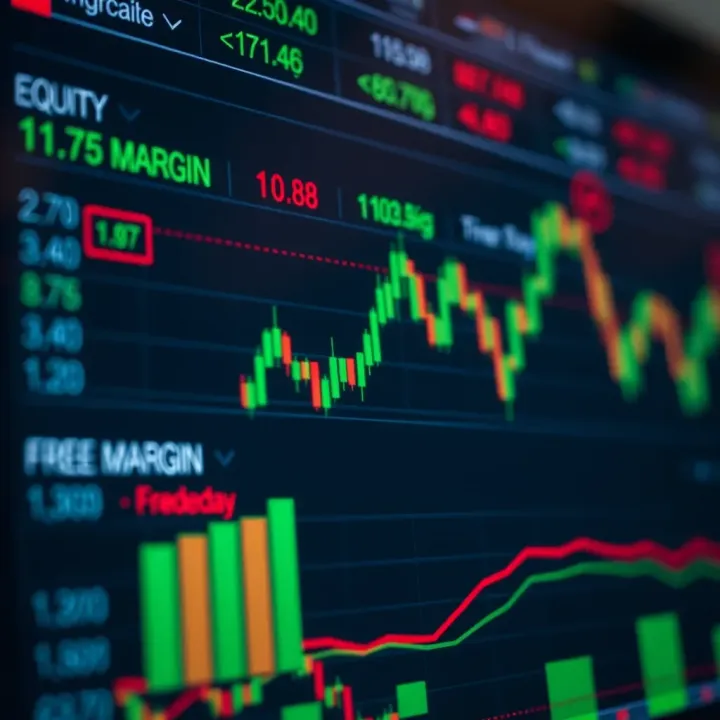
Learn how free margin impacts your forex trading decisions ⚖️ Understand its link to equity and margin level to manage risks and avoid margin calls effectively 💡
💹 Learn how margin level in forex trading helps manage risk, avoid margin calls, and protect your investments with practical tips for smart trading.
Based on 15 reviews