

Funding Traders in Nigeria: Practical Ways to Access Capital
💼 Discover solid ways Nigerian traders secure funding—covering fintech, government schemes, risks, and practical tips to grow your business with ₦ capital and smart management.
Edited By
Benjamin Clarke
Instagram has become a vital platform for female traders in Nigeria, offering access to large markets beyond traditional physical stores. These women increasingly use the app not just to showcase products but to engage customers, create brand identities, and operate with flexibility in Nigeria's complex business environment.
Unlike the typical market space where location and foot traffic determine visibility, Instagram allows traders to reach audiences across states and even abroad without the overheads of a physical shop. For example, a Lagos-based makeup artist can attract clients from Abuja or Port Harcourt through regular posts and stories, while a seller of locally woven fabrics in Enugu can run pre-orders from customers in Kano.
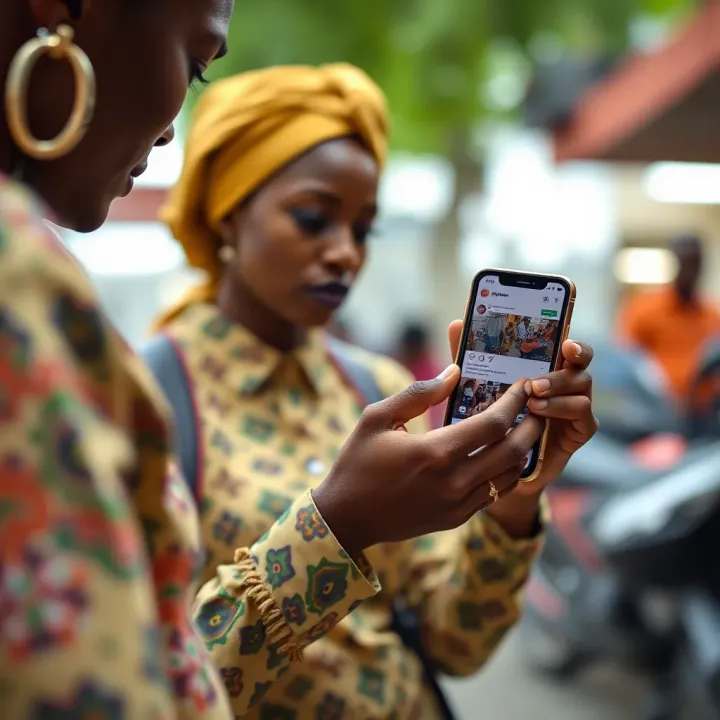
These traders employ several strategies tailored to maximise Instagram’s tools:
Consistent Posting: Frequent updates keep their followers engaged and encourage repeat visits to their pages.
High-Quality Images and Videos: Visual appeal matters; crisp photos of goods and demonstrations increase trust and drive sales.
Use of Hashtags: By tapping into popular and local hashtags, traders improve their reach within targeted communities.
Direct Messaging: Personalised chats help build relationships, negotiate prices, and handle orders discreetly.
However, female traders face unique challenges alongside these opportunities. Limited internet access, inconsistent power supply, and digital literacy gaps can hamper online activities. Also, building credibility outside the physical market often requires extra effort, especially in handling complaints or returns without face-to-face interactions.
“Women traders who adapt to social media trends while keeping traditional customer respect excel in Nigeria's dynamic trade sectors.”
Balancing the informal culture of physical markets with digital professionalism is key. Traders often combine Instagram marketing with existing mama put or buka businesses to sustain income streams. While some use Instagram solely to showcase products, others fully integrate the platform for orders, payment, and delivery coordination, often linking to fintech apps like Paystack or OPay.
This section sets the ground for understanding how female traders in Nigeria use Instagram effectively, addressing practical methods and constraints unique to their environment.
Instagram has become a vital tool for female traders in Nigeria looking to expand their businesses beyond traditional markets. It offers a platform to reach a broad audience without the overhead of a physical storefront, which is especially useful given challenges like erratic power supply and costly rents. Instagram lets these women build brand awareness, showcase products, and interact directly with customers, all while managing their operations flexibly from home or market stalls.
A well-crafted Instagram profile serves as the first impression for potential buyers. Female traders who invest time in creating clear bio descriptions, using appropriate profile pictures (often company logos or product images), and including contact details tend to draw more followers. For example, a Lagos-based fashion retailer might feature vibrant photos of her latest gele styles alongside a concise bio highlighting unique selling points like "handcrafted with premium fabrics" or "custom orders welcome". This clarity helps customers quickly understand the business and build trust.
Consistency in the look and feel of posts is key to reinforcing a brand's identity. Traders who stick to specific colours and design styles make their pages instantly recognisable. For instance, a cosmetics seller might use soft pinks and neat layouts to evoke a sense of elegance, while a mama put selling local snacks opts for earthy tones that reflect authenticity and warmth. Such uniformity not only makes the page attractive but also gives a professional edge that encourages customers to follow and engage.
Engaging product captions and stories can make all the difference in convincing buyers. Effective descriptions should highlight benefits clearly, such as durability, price, or exclusive offers. Many successful sellers add personal stories about how the product is made, its cultural significance, or testimonials from satisfied customers. For example, a seller of handwoven baskets might share the artisan’s background, giving the product depth and encouraging buyers to support local crafts.
Different Instagram formats offer unique ways to connect with audiences. Posts serve as a permanent gallery to display products, while reels and stories provide dynamic, informal glimpses of inventory, behind-the-scenes moments, or quick sales promos. For example, a trader selling shoes might post detailed photos of new arrivals but use reels to demonstrate the comfort and style by walking in the shoes. Stories can also highlight limited-time offers, encouraging immediate action.
Instagram Shopping lets traders tag products directly in posts, simplifying the buying process for customers. With this feature, followers can easily find product prices and click through to payment or direct order options. Direct messaging (DM) remains an essential communication tool, allowing quick negotiation, answering queries, and building a personal connection. Female traders often mention that swift DM responses positively influence repeat business, especially in markets where trust is built through interaction.
Live sales sessions are an effective way to generate excitement and real-time feedback. Traders use live videos to showcase products, answer questions immediately, and offer exclusive deals, creating a sense of urgency. A Lagos-based accessory seller might schedule live sessions during ember months when demand spikes, attracting customers who prefer instant answers before purchasing. Q&A sessions further deepen customer trust by clarifying doubts about product quality, delivery timelines, or payment safety.
Instagram offers a flexible, cost-effective platform for female traders in Nigeria to scale their businesses. A strong brand presence, smart use of Instagram features, and active engagement can transform ordinary market businesses into thriving online enterprises.
In Nigeria's fast-paced trading environment, female entrepreneurs on Instagram need solid marketing strategies and active customer engagement to stand out. These elements build loyalty, stimulate sales, and ensure that businesses remain competitive both online and offline. By focusing on effective communication and promotion, women traders can enhance their brand reputation, reach wider audiences, and create lasting relationships with customers.
Using testimonials and customer reviews is a powerful tool for female traders. When potential buyers see genuine feedback from previous customers, it reduces doubts and increases confidence in the quality of products. For instance, a Lagos-based fashion seller who regularly posts short video testimonials shows real users praising the fit and fabric of her clothes. This kind of social proof often leads to more enquiries and repeat purchases.
Moreover, featuring positive reviews on Instagram highlights the trader’s commitment to customer satisfaction. It encourages hesitant shoppers to make informed decisions, boosting overall credibility without needing expensive advertising.
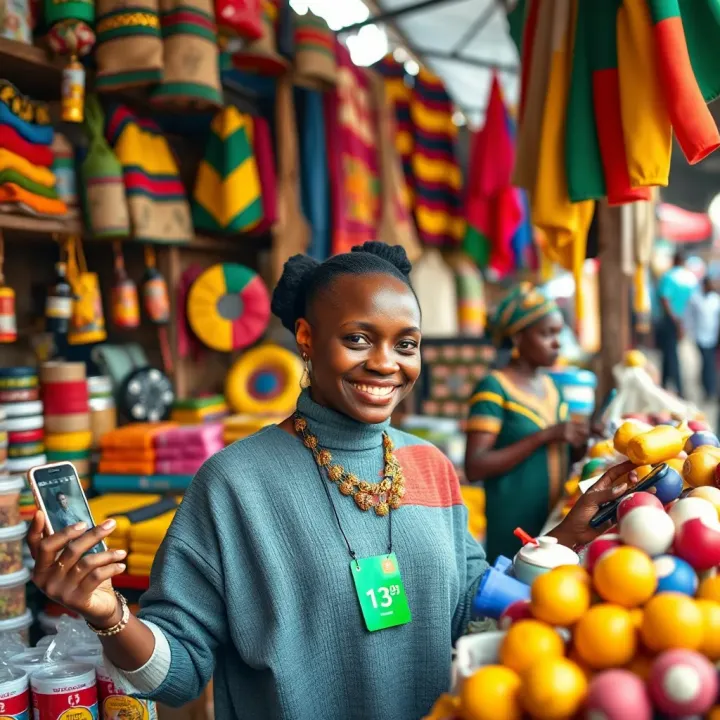
Addressing customer inquiries quickly is equally vital. Speedy responses indicate professionalism and respect for customers' time, which enhances trust. A typical example would be a trader using Instagram’s direct messaging or comment sections to reply within minutes or a few hours. Customers appreciate prompt attention, especially when they have questions about sizes, payment methods, or delivery timelines.
This immediacy not only improves the shopping experience but also increases the chances of closing sales. Ignoring or delaying responses risks losing customers to competitors who communicate better.
Maintaining transparency about pricing and products helps investors and customers avoid surprises that can damage trust. Clear descriptions and upfront pricing prevent misunderstandings that might otherwise lead to disputes or negative reviews. Traders who post exact prices, product details, and shipping terms build a reputation for honesty and fairness.
For example, a cosmetics seller from Port Harcourt might specify batch numbers, expiry dates, and ₦ rates right on product posts. This openness reassures customers they’re dealing with a dependable business, encouraging loyalty and referrals.
Collaborating with influencers and local personalities is a common but effective strategy. Female traders partner with Instagram users who have significant followings—often within niche markets—to showcase their products. This can amplify reach and build credibility faster than organic growth alone.
A female spice trader in Kano, for instance, might work with a well-known food blogger or chef who posts recipe videos featuring her brand’s suya spice. Such collaborations target interested audiences, driving up engagement and potential sales without large upfront costs.
Timing posts around ember months and festive seasons offers major benefits. These periods come with increased consumer spending across Nigeria, from Sallah celebrations to Christmas owambe parties. Strategic posting and tailored offers during these times capture demand when buyers are ready to spend.
Successful traders in Abuja often schedule campaigns before these seasons, advertising gift packs or festival-appropriate products. This approach maximises visibility and spikes sales when market activity is at its peak.
Offering discounts, bundles, and referral incentives encourages more purchases and widens customer networks. Price-sensitive Nigerian consumers respond well to ₦-based offers that feel tangible.
A female trader selling beauty products might bundle moisturisers with sunscreen at a slight discount or reward customers who bring friends with credit towards future buys. This not only boosts immediate sales but fosters word-of-mouth promotion, essential in local communities where trust and recommendations matter.
Strong marketing and genuine customer engagement transform Instagram from a simple social platform into a thriving business channel for Nigeria’s female traders. By applying these strategies with consistency, female entrepreneurs stand to grow their ventures amid Nigeria's evolving trade landscape.
Navigating Instagram as a female trader in Nigeria brings unique challenges, from infrastructural issues to safeguarding against scams. Understanding these hurdles is vital for any entrepreneur aiming to sustain and grow their business online. Overcoming these barriers allows traders to operate effectively despite local constraints.
Unstable power supply remains a significant headache for many Nigerian online traders. Instagram activities like posting videos, going live, or instant messaging demand reliable electricity. When power flickers or goes off suddenly, it disrupts communication with customers and delays order processing. For a trader relying on live sales to attract buyers, this loss of continuity can translate to lost income and damaged customer trust.
Beyond personal effects, power interruptions can hinder charging of phones and devices. A dealer selling clothing via Instagram reels in Lagos might have to pause operations due to a dead battery, while in smaller towns, these interruptions can last several hours, grinding business to a halt.
Managing data costs and connectivity limitations adds another layer of complexity. Mobile data is expensive relative to many disposable incomes in Nigeria. Therefore, heavy video content and frequent live interactions can drain a trader’s budget fast. Many female entrepreneurs find themselves balancing between staying active on Instagram and conserving data.
Poor network coverage in some regions also affects timely responses and product visibility. For example, a trader in a rural area might miss customer messages or notifications due to weak signals, leading to slower sales cycles. In this sense, both access and affordability of quality internet shape the Instagram business experience.
Fake buyers continue to target female traders on Instagram, complicating trust-building efforts. These scammers often pose as genuine customers with enticing offers but vanish once payment or product details are shared. Some even post fake reviews or use stolen images to lure unsuspecting sellers into fraudulent transactions.
Vigilance in spotting red flags—such as rushed payments, off-platform requests, or inconsistent buyer information—is critical. Female traders frequently develop checks, like verifying profiles or requesting advance deposits via trusted payment platforms, to minimise exposure to these scams.
Safeguarding payment transactions and customer data is equally crucial. Instagram does not handle payments directly, so many traders depend on fintech solutions like Paystack or Flutterwave to receive funds securely in naira.
Ensuring these platforms are set up properly and educating customers to avoid phishing attempts strengthens transactional safety. Protecting customer details also boosts confidence, reducing anxieties about fraud and encouraging repeat business.
Female traders who manage power and connectivity challenges well, while staying alert against scams, stand a better chance of turning Instagram into a reliable income source, even amid Nigeria's infrastructural hurdles.
In summary, while Instagram opens a world of opportunities, addressing local challenges related to power, internet access, and security forms the backbone of any successful digital trading venture in Nigeria today.
Navigating Nigeria's business environment requires female traders to blend traditional trade methods with modern digital tools. Instagram offers a powerful platform, but the strength of physical markets like mama put and local stalls remains critical. Balancing these approaches helps traders retain community roots while expanding their customer base beyond local limits.
Instagram acts as a virtual showroom for female traders who operate mama put or roadside stalls. Many customers first discover products on Instagram and then visit the physical location to see or collect items. For example, a trader selling homemade chin chin can post appealing photos and behind-the-scenes videos on Instagram to entice followers, who may then come buy fresh stock at the market. This digital visibility creates an additional sales channel without replacing traditional methods.
This blend also helps reach younger customers who prefer online browsing but still value face-to-face interactions for trust-building. On the flip side, the physical stall can offer pickup points for online orders, cutting down delivery costs and delays.
Managing orders from Instagram followers requires efficient systems that link online interest to physical sales. Traders often use WhatsApp or direct messaging to arrange orders and confirm payments. In Lagos or Aba, delivery by okada or keke napep plays an indispensable role in closing sales locally, especially within congested areas where traffic and accessibility pose challenges.
Some traders partner with local courier services or organise their own delivery routes to accommodate orders in nearby districts. Timely deliveries build reliability and encourage repeat business. For example, a trader selling aso-ebi fabrics might offer free delivery within a 10-kilometre radius but charge a small fee beyond that. This practical approach ensures customer satisfaction while controlling logistics costs.
Joining traders’ associations remains vital for female entrepreneurs to access support, share experiences, and advocate for favourable policies. Many groups have extended their presence online via WhatsApp groups or Facebook pages, where members exchange information on market trends, pricing, and collective bargaining opportunities.
Offline, these associations facilitate mentorship, bulk purchasing discounts, and access to training programmes. Being part of such networks also helps traders navigate local government regulations and avoid harassment. For instance, female traders in Lagos Island market who belong to the market union often get early alerts about policy changes or market relocations.
Collaboration rather than competition characterises many female trading communities. Instagram acts as a conduit for sharing tips on product sourcing, digital marketing, or inventory management. Experienced traders may post tutorials on packing orders or choosing colour themes to improve brand appeal.
Besides virtual sharing, women often organise meet-ups to exchange resources like bulk purchase groups or co-funded transportation for attending trade fairs. This synergy creates resilience, especially during challenging periods like ember months when expenses and demand both rise.
Balancing traditional trade with Instagram sales is not about replacing one with the other but using each platform's strengths. The physical market offers trust and real-life touchpoints, while Instagram broadens reach and engages younger customers. Female traders who master this balance stand a better chance of growing sustainably in Nigeria's dynamic business landscape.
Understanding the future of female trading on Instagram in Nigeria is key to grasping how these entrepreneurs can expand their reach and scale their businesses amid evolving market conditions. As digital tools and market dynamics shift, female traders need to adapt strategically to remain competitive and maximise opportunities. This section highlights emerging trends, practical benefits, and necessary policy changes that will shape how female traders navigate Instagram in the coming years.
Fintech platforms like Paystack, Flutterwave, and OPay continue to ease payment processes for female traders on Instagram. With seamless payment gateways integrated into social media platforms, traders can now receive payments instantly and with less hassle. This reduces dependence on cash transactions, which are riskier and more cumbersome in Nigeria’s often unpredictable environment.
For example, a female clothing seller in Lagos can accept card payments or bank transfers directly through Instagram Shopping, which simplifies purchase flow and builds customer confidence. As fintech becomes more accessible, even traders in smaller towns, without traditional bank access, can join the digital economy and benefit from these tools.
Instagram presents female traders with a platform to reach customers beyond Nigeria’s borders. Traders selling Nigerian-made fabrics, beauty products, or artisanal crafts now tap into diaspora markets in the UK, US, and Canada. This trend not only increases sales volume but also exposes their brands to international tastes and preferences.
Digital payment options and affordable courier services have improved cross-border transactions. A Lagos-based haircare product maker, for instance, can ship items to customers in London swiftly thanks to partnerships with international couriers. However, traders must address challenges like customs clearance and pricing strategies suited for foreign buyers.
Today’s Nigerian consumers, especially millennials and Gen Z, expect instant responses and personalised shopping experiences. Female traders on Instagram are adapting by using features like reels and live sessions to engage customers more directly. These real-time interactions help build trust and offer tailored product guidance.
Additionally, customers show growing interest in sustainable and ethically made products. Traders who incorporate these values into their branding often attract loyal followers. For example, a maker of natural skincare products highlights the locally sourced ingredients and eco-friendly packaging, appealing to conscious buyers.
Reliable internet and stable electricity remain major hurdles for many female traders in Nigeria. Frequent power outages and spotty network coverage disrupt online activities and discourage consistent engagement with customers. Enhancing broadband infrastructure and expanding renewable energy solutions in both urban and rural areas will be crucial.
Government initiatives that lower data costs and improve 4G/5G coverage can help traders operate effectively without exorbitant expenses. For instance, a trader in Ibadan reported increased sales after improved fibre internet was installed near her home, facilitating faster uploads and timely customer replies.
Many female traders lack access to formal credit or savings products tailored to their specific needs. Financial inclusion programmes that simplify loan processes and provide micro-insurance will empower these traders to invest in inventory and marketing.
Institutions such as the Bank of Industry (BOI) and CBN-backed funds can partner with fintech firms to create accessible products. For example, a small seller on Instagram who couldn’t previously afford bulk purchase might take a low-interest loan via a mobile app, expanding her stock and boosting income.
The future of female trading on Instagram in Nigeria hinges on both technology adoption and supportive policies that address infrastructure and finance barriers. Embracing these changes promises not only to elevate individual traders but also to reshape Nigeria’s wider economic landscape.
💼 Discover solid ways Nigerian traders secure funding—covering fintech, government schemes, risks, and practical tips to grow your business with ₦ capital and smart management.

Explore Exness account types 🏦 made for Nigerian traders. Learn about leverage options, spreads, and requirements to choose the best fit for your forex and CFD trading style.

Discover how BLUFX prop firm lets Nigerian traders trade company capital, earn profits, and navigate local market challenges for a smarter trading edge 📈🇳🇬
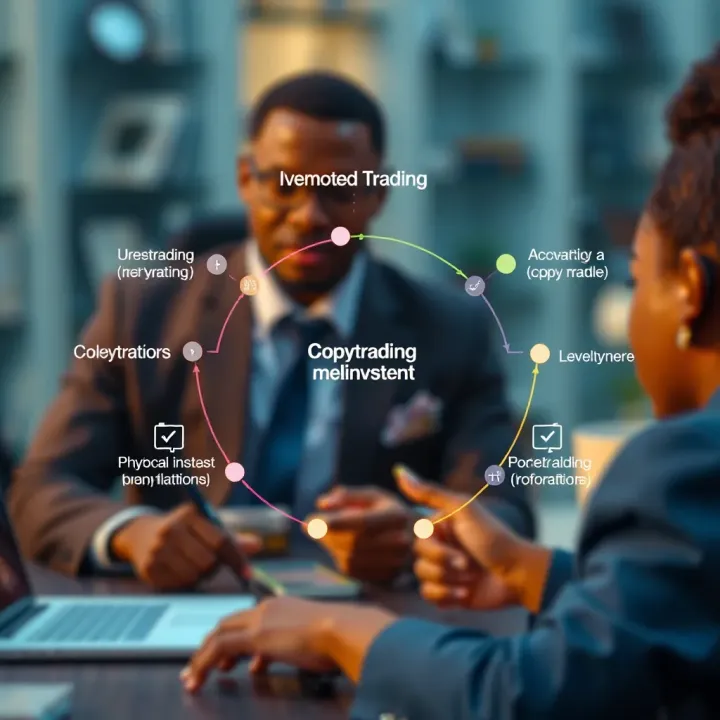
📈 Discover how Nigerian investors can benefit from copytrading by automatically following top traders. Learn the pros, cons, and simple steps to start wisely.
Based on 8 reviews