
Understanding Trading Signals for Nigerian Investors
📈 Learn what trading signals are, how Nigerian investors can apply them effectively, and the risks to watch out for in this practical guide to smarter trading.
Edited By
Henry Walker
Forex trading in Nigeria has witnessed a steady rise, driven by a growing middle class eager to explore new income streams. One tool that traders increasingly rely on is forex signals—alerts indicating opportune moments to buy or sell currencies. While several platforms offer paid signals, Telegram stands out as a popular hub where many free forex signal channels operate.
Nigerian traders often face challenges such as limited access to real-time market information and fluctuating naira values. Using free forex signals on Telegram can help bridge some of these gaps by providing timely tips, chart analyses, and trade entry points without upfront costs. However, navigating this space requires caution and a clear understanding of how signals work.
To get started, it’s essential to grasp what forex signals are. Simply put, they are trade recommendations based on market analysis, often recommending currency pairs, entry prices, stop losses, and take-profit levels. For example, a signal might suggest buying USD/NGN at ₦415 with a stop loss at ₦412 and a target of ₦420. This level of detail enables traders to execute informed trades quickly.
Telegram’s appeal comes from its ease of use and real-time notifications. Channels dedicated to forex signals send alerts directly to subscribers, allowing traders to react quickly despite Nigeria’s volatile network conditions or frequent power outages. Still, not every signal comes from credible sources, so vetting channels is a crucial step.
"Free forex signals on Telegram can boost your trading, but only if you choose reliable sources and understand their risks."
Look out for channels that show consistent, transparent track records and explain their analysis methods openly. Also, consider channels with active communities where members share feedback and experiences. This social proof can help you separate genuine signals from guesswork.
Besides choosing the right channels, Nigerian traders should also consider the risk factors involved. Signals are not guaranteed profit makers. Market volatility, geopolitical news, and naira depreciation can quickly reverse expected outcomes. Always manage your capital wisely, use stop-loss orders, and never trade more than you can afford to lose.
In summary, free forex signals on Telegram offer a practical edge for Nigerian traders, especially beginners. With careful selection and disciplined use, these signals can complement your trading strategy and potentially improve your returns in the ₦-denominated forex market.
Forex signals are essential tools for many traders, offering guidance on when to enter or exit currency trades. For Nigerian traders especially, understanding these signals can mean the difference between steady profits and unnecessary losses. This section breaks down the nature of forex signals, their practical uses, and the typical forms in which they come.
Forex signals are notifications or suggestions about potential trading opportunities in the forex market. They typically include information like the currency pair to trade, the direction (buy or sell), entry price, stop-loss level, and take-profit target. For instance, a signal might advise "buy USD/NGN at 450, stop loss 445, take profit 460." These signals can come from automated systems, expert traders, or freelance analysts and are often shared through messaging apps like Telegram.
Signals can save traders time and effort by highlighting trade setups based on analysis, which is especially helpful for busy Nigerian traders juggling other responsibilities. Instead of scouring the charts and news endlessly, traders receive ready-made trade ideas to consider. They also serve as learning tools, as observing how signals perform over time helps build trading skills. For example, a new trader using a signal to buy EUR/USD just before a European Central Bank announcement might notice how news impacts price movements and then adjust strategies accordingly.
That said, signals are not foolproof and should not replace personal research or risk management. They are guidance tools, not guarantees.
Free forex signals on platforms like Telegram typically fall into several categories:
Manual Signals: Generated and sent by experienced traders or analysts after market analysis. For example, a seasoned trader might send a signal based on upcoming Nigerian inflation data affecting NGN pairs.
Automated Signals: Produced by algorithmic trading systems or bots that analyse price data and technical indicators to suggest trades continuously.
Copy Trading Signals: Where trades from a particular expert trader are mirrored automatically to subscribers’ accounts.
Each type has its pros and cons. Manual signals might reflect qualitative insights, such as geopolitical impacts, while automated ones rely solely on data patterns. Nigerian traders often prefer channels that combine both approaches to cover technical and fundamental factors.
Successful trading with signals depends on understanding their origin and testing their effectiveness in real-market conditions.
Understanding these fundamentals helps Nigerian traders harness forex signals wisely, improving their chances in the fast-moving forex markets.
Finding reliable free forex signal channels on Telegram is essential for Nigerian traders eager to make informed decisions without losing hard-earned naira. With so many channels claiming to offer profitable signals, identifying trustworthy sources can save you from wasting time and money on false hopes or scams. Reliable signals provide clear trade ideas supported by market analysis, reducing guesswork and enhancing your chances in volatile markets.
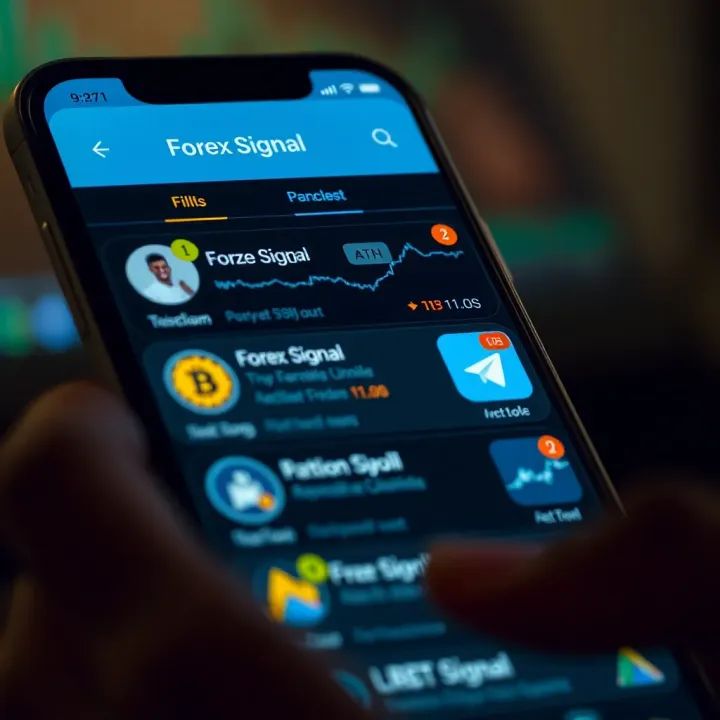
Telegram has become the go-to platform for forex signals due to its instant messaging speed, broad reach, and ease of access. Unlike WhatsApp or Facebook groups, Telegram supports large groups and channels where admins can broadcast signals to thousands of subscribers without limitations. Also, Telegram’s encrypted chats provide some privacy, a feature many traders value.
Plus, Telegram allows integration with bots that can automate signal delivery or provide real-time alerts. Nigerian traders often find Telegram convenient because it works well on low data connections and on affordable smartphones, both common in Nigeria. This accessibility ensures timely receipt of forex signals, which traders depend on for quick market moves.
A signal provider’s track record shows their actual trading results over time, not just promises of high profits. Reliable channels openly share their wins and losses with detailed screenshots or performance summaries. Transparency helps traders verify that signals aren’t just smoke and mirrors but have real value. For example, a Nigerian trader might follow a channel showing monthly returns and clear explanations of trades taken. If a channel hides its past or only posts success stories, that’s a red flag.
Another way to assess a signal channel is by looking at reviews and feedback from existing users. Trusted channels usually have active communities where members discuss received signals, share results, and raise concerns. Platforms like Trustpilot or forex forums can also offer impartial opinions. In Telegram itself, ask around in related forex trading groups about the signal channel’s reliability to get local insights.
Good signal channels maintain a balance between how often they post and the clarity of their signals. Flooding subscribers with too many signals can overwhelm a trader and lead to careless decisions. Conversely, very sparse updates might mean fewer opportunities. Each signal should clearly show the currency pair, entry price, stop loss, take profit targets, and rationale behind the trade. Channels that send vague or incomplete signals make it difficult to trade effectively.
While Nigerian traders often scout for channels that suit their style, some free forex signal channels have built a solid reputation globally and locally. Channels such as BabyPips Forex Signals, ForexSignal.com community, and certain Nigerian-based groups vetted by experienced traders tend to stick out for consistent quality. These usually complement signals with educational content, helping traders understand market movements.
Always remember, no signal guarantees success. Using signals wisely in line with your own analysis and risk management is the smarter way.
Choosing reliable free forex signal channels on Telegram requires careful consideration, but with the right approach, it can meaningfully boost your trading efforts in the Nigerian market.
Using free forex signals on Telegram can be a helpful tool for Nigerian traders, but it requires caution and a smart approach. Signals can give you trade ideas, save research time, and keep you informed of market moves. Still, blind trust may lead to losses. This section explains the risks involved and guides you on how to use signals wisely.
Unfortunately, some free forex signal channels on Telegram promise unrealistic profits without proper evidence. These can be scams where signals are either fabricated or recycled without real backing. Nigerian traders should be aware that no signal provider offers guaranteed success; the forex market is too complex for such claims.
For example, channels may show inflated win rates or cherry-pick their best trades while hiding losses. Always approach free signals with a healthy dose of scepticism and verify their authenticity by tracking past performance over a reasonable period.
The forex market reacts to economic data, geopolitical events, and local factors, making it volatile and unpredictable. Even the best signals can fail if sudden news shakes the market or if conditions change quickly.
Nigerian traders are not exempt from this reality. For instance, unexpected news about oil prices or CBN policy changes can cause rapid fluctuations affecting currency pairs like USD/NGN. Signals do not remove risk — they only provide information that must be combined with market awareness.
Before acting on any free signal, verify it by comparing past signals with actual market outcomes. Keep a trading journal to record signal details and results. This practice helps you distinguish reliable channels from guesswork or scams.
You can also cross-check signals with technical analysis tools or news sources. If multiple independent signals align, the chance of success improves. Patience in verification saves you from jumping into bad trades.
Even when confident in a signal, always use stop-loss orders and limit the amount of capital you risk per trade. Risk management tools protect your trading account from big losses during unexpected market moves.
For example, risking only 1-2% of your trading capital per trade can keep you afloat through losing streaks. Nigerian traders should avoid putting their whole strategy on one signal without safeguards like position sizing or trailing stops.
Free signals can arrive frequently, tempting traders to jump on every opportunity. Overtrading leads to fatigue, poor decisions, and higher trading costs.
It’s better to pick high-quality signals and trade selectively. Focus on signals that match your trading style and market outlook rather than trying to trade every alert you receive. Quality beats quantity for long-term success.
Nigerian traders should ensure their brokers support convenient access to trading platforms where signal execution is easy. Platforms like MetaTrader 4 and 5, also supported by local brokers such as FXTM Nigeria or Meritrade, mesh well with signal updates.
Some Telegram channels include direct alerts with entry, stop loss, and take profit levels that you can manually enter on these platforms. Using brokers regulated by Nigerian authorities or recognised international bodies helps secure your funds.
In summary, free forex signals can be a good starting point, but Nigerian traders must handle them cautiously, verify their trustworthiness, manage risk rigorously, and use proper tools to trade effectively.
Leveraging free forex signals on Telegram can boost your trading strategy, but tapping their full potential requires more than just copying calls blindly. Nigerian traders benefit most when they integrate signals with their personal analysis, stay updated with economic news, and understand local market conditions. This approach minimises risks and heightens the chances of steady profit.
Using forex signals without your own market assessment is like driving a danfo without knowing the route; you could easily lose direction. Always combine signals with your chart reading skills and technical tools such as support and resistance levels, RSI, or moving averages. For instance, if a signal suggests a EUR/USD buy at 1.1000, cross-check if price action and indicators back this move before entering. This practice helps filter out false signals, improving your decision quality.
Additionally, learning a bit of fundamental analysis adds depth. If you know that the US Federal Reserve is due to announce an interest rate change, you'd be cautious about relying solely on signals around that period.
Forex markets respond quickly to economic reports and geopolitical events. Nigerian traders should monitor global data releases such as US non-farm payrolls, ECB policy decisions, or crude oil inventory reports, as these can influence currency pairs including the naira’s correlation to the dollar.
Beyond global news, local developments like CBN’s monetary policies, election outcomes, or fuel subsidy adjustments can indirectly impact trading sentiment. For example, naira devaluation announcements usually trigger volatility in USD/NGN pairs and related forex products. Integrating this knowledge allows traders to anticipate or react wisely rather than just follow signals blindly.
Nigeria’s forex environment has unique challenges. The Central Bank of Nigeria (CBN) enforces strict foreign exchange policies that affect liquidity and access to dollars. Trading platforms popular among Nigerians, like MT4 and MT5, operate differently when linked to local brokers due to regulatory oversight.
You must choose brokers regulated by the Securities and Exchange Commission (SEC) Nigeria to avoid scams or fund lock-ups. Also, consider Nigeria’s instability in power and internet supply, which can affect your timely access to signals and execution of trades. Using mobile data plans with backup options and preventing overdependence on signals during peak internet disruptions can safeguard your trading activities.
In summary, free forex signals are a handy tool but not a silver bullet. Integrate them with your analysis, always track economic news, and adjust to the realities of Nigerian regulations and infrastructure. This combination puts you in a better position to turn signals into ₦-earning opportunities while managing risks effectively.
Remember: Signals guide you, but informed judgement controls your success.
Blend signals with technical and fundamental checks.
Stay alert to global and local market news.
Choose regulated brokers and plan for infrastructure hiccups.
This practical mindset distinguishes the experienced trader from the novice in Nigeria’s forex space.
📈 Learn what trading signals are, how Nigerian investors can apply them effectively, and the risks to watch out for in this practical guide to smarter trading.
Discover Nigeria's richest forex trader 💰 Learn their strategies, challenges, and impact on the market in this detailed guide to forex success 🇳🇬📊
📈 Learn forex market hours in Nigeria 🇳🇬! Discover how global sessions and time zones affect trading, plus tips to boost your trading strategy effectively.
Learn how to pick the best forex app for Nigerians 🇳🇬 with tips on key features, trusted platforms, and managing risks in our unique economic landscape. 📱💹
Based on 7 reviews