
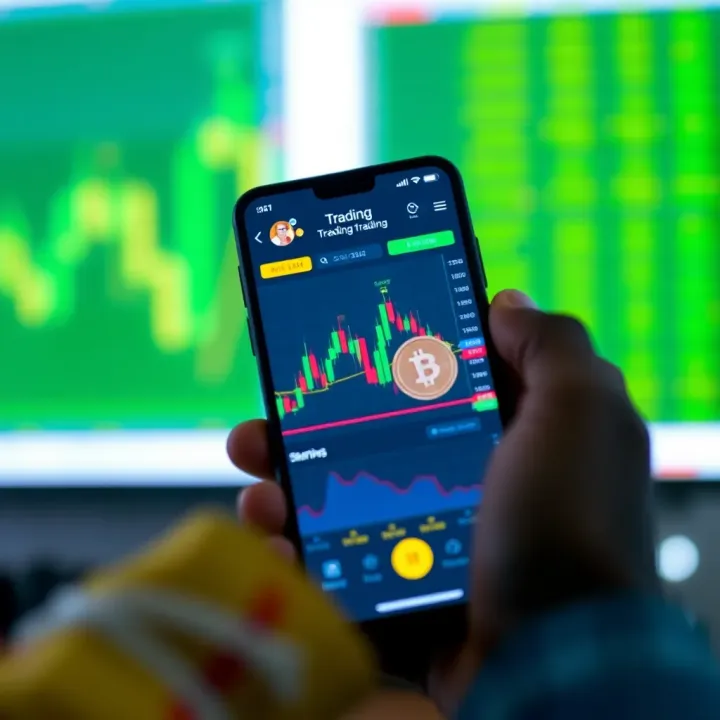
Understanding Demo Trading Apps for Nigerian Traders
🌍 Learn how demo trading apps give Nigerian traders a safe space to practise with virtual ₦ funds, test strategies, and build skills for the real market.
Edited By
Rachel Morgan
Success in trading goes beyond luck or guesswork; it demands a mix of skill, mindset, and practical tools. Traders in Nigeria and elsewhere who consistently make profits share some key traits that you can learn from and adopt.
A consummate trader approaches the market with discipline and patience. Nigerian markets, especially stocks and forex, can be volatile, so emotional control is essential. For instance, you might face sharp currency swings due to naira fluctuations or government policy changes. The ability to stay calm and stick to your trading plan during such times sets experienced traders apart.
Practical knowledge of market analysis is crucial. This means understanding both technical analysis—like reading candlestick charts or using moving averages—and fundamental analysis, such as tracking CBN policy updates or company earnings reports from NGX-listed firms. For example, knowing when the CBN adjusts the monetary policy rate can help you anticipate market reactions.
Technology plays a big role in modern trading. Proficient traders rely on platforms like MT4 for forex or the NGX app for equities, using real-time data to make quick decisions. Beyond that, tools like economic calendars and price alerts help traders seize opportunities without being glued to their screens all day.
Discipline, knowledge, and the right tools combine to build consistency in trading, which Nigerian traders often find missing among novices.
Many newcomers jump in without proper preparation, risking their capital chasing quick gains. Misreading market signals or overtrading—especially during unstable periods like ember months—can drain profits quickly. Seasoned traders advise setting clear entry and exit points and not getting swayed by market noise.
Develop and stick to a trading plan tailored to your goals
Keep up with relevant news, including local political events that can affect markets
Use stop-loss orders to limit potential losses
Track and review your trades regularly to learn from mistakes
By adopting these approaches, you’re better placed to navigate trading in Nigerian markets and beyond with confidence and profitability.
Grasping what makes a great trader is more than just knowing market lingo or having access to good tools. It is about identifying those traits and skills that help traders stay on top, especially when the market throws curveballs. This understanding lets you sharpen your own approach, avoid costly mistakes, and build lasting trading success. For example, a trader in Lagos who controls emotions during volatile forex hours can prevent losses that others might suffer due to rash decisions.
Discipline is the backbone of consistent trading. Without it, setting limits like stop-losses often becomes wishful thinking. Traders lacking emotional control tend to chase losses or enter trades based on fear or greed, which quickly dents their capital. Consider a Nigerian trader who ignores a stop-loss on a falling stock hoping it will rebound; such hope often leads to bigger losses. Maintaining detachment from trades allows one to treat each move objectively, improving outcomes.
Successful traders think critically, assess data carefully, and avoid impulsive choices. They combine technical signals—like moving averages or RSI—with economic factors such as inflation rates or company earnings. For instance, a stock trader in Abuja may look beyond chart patterns to Nigeria's inflation news before deciding to buy or sell, blending analysis for smarter decisions. This skill ensures trades align with both data and market realities.
Markets rarely stand still. New policies, geopolitical events, or technological shifts can change trends unexpectedly. A consummate trader adjusts strategies quickly, rather than sticking rigidly to one method. For example, during naira depreciation, a forex trader might shift from naira pairs to commodities or foreign currencies less exposed to local shocks. This flexibility helps navigate uncertainty and seize fresh opportunities, keeping returns steady.
Many imagine trading as a fast track to wealth, but reality is more measured. Quick riches stories often overlook years of losses, learning, and strategy refinement behind the scenes. For instance, a trader who made ₦10 million in six months may have experienced several losing months before that success. Believing in overnight fortunes risks reckless bets and heavy losses.
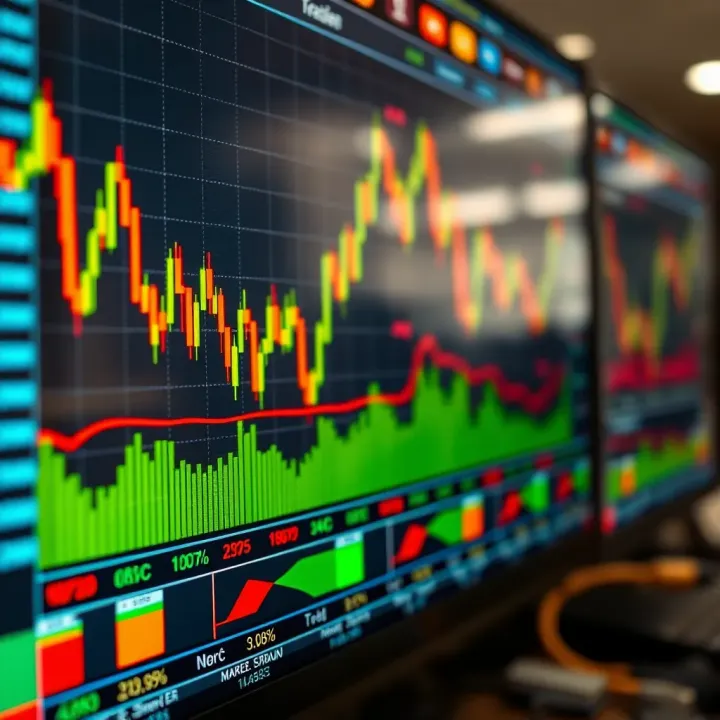
While luck can aid a trade, experience usually determines long-term success. Seasoned traders read subtle signals others miss and draw lessons from past errors. For example, an experienced trader knows when to exit during a market panic rather than hoping for reversal, a decision often based on prior encounters with similar scenarios. This edge, gained over time, separates fleeting winners from consummate traders.
Understanding what makes a consummate trader goes beyond theory—it’s about real habits, solid thinking, and staying flexible. Combining these helps you navigate Nigeria’s unique market conditions with confidence and skill.
To succeed in trading, mastering specific skills and building solid knowledge is non-negotiable. These essentials allow traders to interpret market signals clearly, make informed decisions, and manage risks effectively. Without them, even the most promising opportunities can lead to losses.
Reading Price Charts and Patterns is fundamental for traders who want to anticipate market movements. Charts illustrate past price behaviour, revealing trends that can influence future action. For example, a Nigerian forex trader watching the USD/NGN pair might spot a head-and-shoulders pattern on the daily chart, signalling a potential reversal. Recognising such patterns helps traders decide when to enter or exit positions, avoiding reckless guesswork.
On the other hand, Understanding Economic Indicators and Company Fundamentals provides insight into the forces behind price shifts. Economic reports like inflation rates or central bank's monetary policy statements often sway market direction. In Nigeria, a trader analysing a bank stock on the Nigerian Exchange Group (NGX) would assess quarterly earnings, leadership changes, and regulatory updates before committing funds. Basing trades on quality fundamentals shields traders from speculation based purely on price noise.
Setting Stop-Loss and Take-Profit Points is a practical way to limit losses and secure gains. These orders close a trade automatically at predetermined levels. For instance, if you buy shares in a fast-growing Nigerian tech startup at ₦500 per share, you might place a stop-loss at ₦450 to cap a potential loss and a take-profit at ₦600 to lock in profits without constantly watching the market. This discipline stops emotions from driving irrational decisions during volatile periods.
Another critical skill is the Proper Allocation of Trading Capital. Successful traders never put all their eggs in one basket. Instead, they divide their capital across different trades and asset classes according to risk appetite and market conditions. A trader with ₦2 million might allocate ₦500,000 to equities, ₦300,000 to forex, and keep the rest in liquid forms for flexibility. This approach cushions against market shocks and prevents total capital wipeout.
Risk management and sound analysis together define a trader's edge. Whether you trade stocks, forex, or commodities, these skills guard your portfolio against unpredictability and boost your chances of consistent profit.
With continual practice and learning, traders can sharpen these skills to match the fast-moving Nigerian and global markets.
Effective trading strategies are the backbone of success for consummate traders. Seasoned professionals do not rely on guesswork; they use structured approaches based on experience and analysis. These strategies help navigate the unpredictable markets, reduce losses, and maximise profit opportunities. Understanding the different approaches, such as day trading versus long-term investing, and the practical use of technical indicators, is crucial for anyone serious about trading.
Day trading involves buying and selling assets within short time frames, often minutes or hours. This approach suits traders who thrive on rapid decision-making and market volatility. The advantage lies in capitalising on small price movements, sometimes multiple times in a day, which can accumulate into substantial profits. However, day trading demands intense focus, quick reflexes, and the ability to handle emotional strain. The risk of rapid losses is high, especially if trading moves against you.
Long-term investing, on the other hand, means holding assets for months or years. This strategy appeals to those who prefer steady growth and less frequent monitoring. For example, investing in stable Nigerian banks or government bonds and holding for the medium to long term can yield consistent returns despite short-term market swings. While it requires patience and resilience against short-term market noise, it lessens the pressure for constant decision-making and reduces transaction costs.
Choosing between these approaches depends on your financial goals, time availability, and risk appetite. Day trading may suit someone looking for additional income who can spend hours tracking the market daily. Conversely, workers or entrepreneurs with limited time might find long-term investing more practical. Aligning your strategy with your lifestyle and objectives ensures you can stick to your plan without burnout or rash decisions.
Moving Averages and RSI are two of the most popular technical indicators among Nigerian traders. Moving averages smooth out price data to reveal underlying trends. For instance, a 50-day moving average crossing above a 200-day indicates a potential buy signal, suggesting upward momentum. This helps traders avoid knee-jerk reactions to daily price spikes. RSI (Relative Strength Index), meanwhile, measures momentum by signalling overbought or oversold conditions. An RSI above 70 could signal the asset is overbought and likely due for a correction, offering traders a chance to take profits or avoid buying at the peak.
Volume Analysis and Trend Confirmation provide another layer of insight. High trading volume during price increases often confirms a strong trend, proving many traders support the move. For example, when a blue-chip stock on the Nigerian Stock Exchange (NGX) rallies on increased volume, it reinforces confidence in its direction. Low volume during a price rise might indicate a weak or unsustainable trend. Volume analysis helps seasoned traders avoid false breakouts and make more informed entry or exit decisions.
Successful traders combine these tools rather than relying on a single indicator. This multi-faceted approach helps manage risks and spot genuine opportunities in the Nigerian markets, whether in stocks, forex, or commodities trading.
By understanding day trading and long-term investing, along with technical indicators like moving averages, RSI, and volume analysis, traders sharpen their strategy toolkit. These methods take the guesswork out of trading and increase the odds of sustained success.
Technology plays a vital role in modern trading, especially for Nigerian traders facing unique market conditions such as naira volatility and intermittent power supply. Reliable technological tools can greatly influence trading success by providing easy access to markets, faster decision-making, and better risk management. Understanding the local and international digital options available helps traders operate more efficiently.
Nigerian traders can choose between local brokers like Meristem Securities and international firms such as Interactive Brokers or Saxo Bank. Local brokers tend to offer easier naira-to-dollar conversions and payment methods tailored for Nigerian users, while international brokers may provide access to a wider range of global assets. Whichever option you prefer, verifying regulatory compliance with the Nigerian Securities and Exchange Commission (SEC) or equivalent foreign bodies is crucial.
Selecting the right broker can impact transaction costs, execution speed, and asset variety. For example, a trader interested in Nigerian equities might favour local brokers for direct access to the Nigerian Exchange Group (NGX), whereas forex or commodities traders may lean towards global platforms offering broader markets.
A reliable trading platform should combine speed, user-friendliness, and security. Look for key features like real-time price feeds, intuitive charting tools, and easy order placement. Mobile compatibility is a must, given Nigeria’s high mobile penetration and the frequent need for on-the-go trading.
Other essential elements include:
Low or transparent transaction fees
Secure login with two-factor authentication
Access to historical data for technical analysis
Customer support that understands local challenges such as intermittent internet access
Platforms like GTTrader and Bamboo have gained traction because they cater to these needs, providing a smooth trading experience for Nigerians.
Having up-to-the-minute market information ensures you can react promptly to price changes or breaking news. Nigerian traders rely on financial apps such as Bloomberg and CNBC Africa for real-time updates on currency fluctuations, global economic shifts, and corporate earnings.
Access to reliable market data reduces guesswork and helps avoid costly mistakes. For instance, during intense naira depreciation episodes, timely updates can guide forex traders to hedge appropriately.
Automation tools enable traders to manage positions even when away from their devices. Setting price alerts or stop-loss triggers helps control losses and lock in profits without constant supervision. Many mobile platforms like Kuda and OPay offer notification services tailored to market movements.
Similarly, algorithmic trading tools can execute pre-set strategies automatically, removing emotional bias. While these are more common among advanced traders, beginner Nigerians are increasingly exploring automated features as internet access and smartphone penetration improve.
Efficient use of technology is no longer optional but essential for Nigerian traders who want to stay competitive amid volatile markets and infrastructural challenges.
Trading is never smooth sailing; even the most experienced traders face hurdles like volatile markets and emotional pitfalls. Learning to navigate these challenges is what separates the wannabes from the true professionals. Nigerian traders, for instance, often deal with sudden market swings influenced by local events or global shocks—these can unsettle anyone. What sets consummate traders apart is not that they avoid challenges, but how they manage and rise above them.
Maintaining Patience During Downturns
Even the shrewdest trader can expect losses during market downturns. The key is patience. Instead of selling off shares at the first sign of trouble, consummate traders pause to assess whether the dip is temporary or part of a bigger trend. For example, during the naira’s periodic weakness, Nigerian stock markets sometimes dip sharply. Impulsive selling here often leads to missed opportunities when prices rebound. Patience lets traders hold through such storms or gradually build positions without panic.
Avoiding Overtrading and Impulsive Decisions
Chasing quick wins or trying to compensate for losses by repeated trades often worsens damage. Consummate traders set clear entry and exit rules, sticking to them even when emotions run high. Overtrading drains capital and increases transaction costs. Someone trading forex on platforms like OANDA Nigeria, for instance, risks eroding profits if they make frequent, impulsive trades to catch every market wobble. Instead, disciplined traders wait for setups that fit their strategy and avoid reacting to every headline or price move.
Keeping a Trading Journal
Recording your trades, the rationale behind them, and outcomes helps spot patterns over time. This practice turns guesswork into informed decision-making. For Nigerian traders dealing in stocks or commodities like cocoa or oil products, details like market conditions and psychological state during each trade can provide insights for better choices later. By revisiting their journal, they can correct recurring errors and refine strategies.
Seeking Mentorship and Ongoing Education
Nobody climbs the ladder alone—in the trading world, mentorship plays a big role. Seasoned traders often guide newcomers through complex market dynamics and pitfalls. Nigerians seeking to improve should engage with communities or professionals who understand local and international markets. Besides, continuous learning—whether via webinars from the Nigerian Stock Exchange (NGX) or updates from the Central Bank of Nigeria (CBN)—keeps traders aware of evolving trends and regulations. This ongoing education sharpens their edge, preventing stagnation in knowledge and skill.
Mastery in trading demands more than luck; it requires steady nerves, routine reflection, and a commitment to learning from every experience.
By acknowledging common challenges and adopting proven responses, traders can bolster their chances of success despite the unpredictable nature of markets.
🌍 Learn how demo trading apps give Nigerian traders a safe space to practise with virtual ₦ funds, test strategies, and build skills for the real market.
MetaTrader forex guide for Nigerian traders 🇳🇬 Learn how to install, use key tools, place orders, and handle local challenges for safer trading with ₦ in mind.
📈 Discover how derivative trading helps Nigerian investors hedge risk and profit from price swings without owning assets. Learn types, strategies, and Nigerian market insights.

📊 Know when to trade forex in Nigeria with clear guidance on global market hours, Nigeria's time zones, holiday effects, and smart tips for better trading decisions.
Based on 9 reviews