
Understanding Economic Cycles: Crash and Boom in Nigeria
📉📈 Understand Nigeria’s economic crash and boom cycles, their causes, effects, and practical ways individuals and businesses can adapt to changing markets and ₦ fluctuations.
Edited By
Isabella Morgan
In Nigeria's bustling online trading scene, especially with boom and crash indices, spotting sudden market moves can be the difference between loss and gain. The boom and crash spike detector is a practical tool designed to identify sharp price movements — known as spikes — that often signal trading opportunities or risks.
Boom and crash indices mimic volatile markets where prices can jump or plunge quickly within minutes or even seconds. These sudden surges or drops, called spikes, can confuse many traders, but the spike detector simplifies this with timely alerts. For instance, imagine a trader watching the crash index suddenly dip sharply — the spike detector flags this instantly, prompting a swift decision to buy or sell.
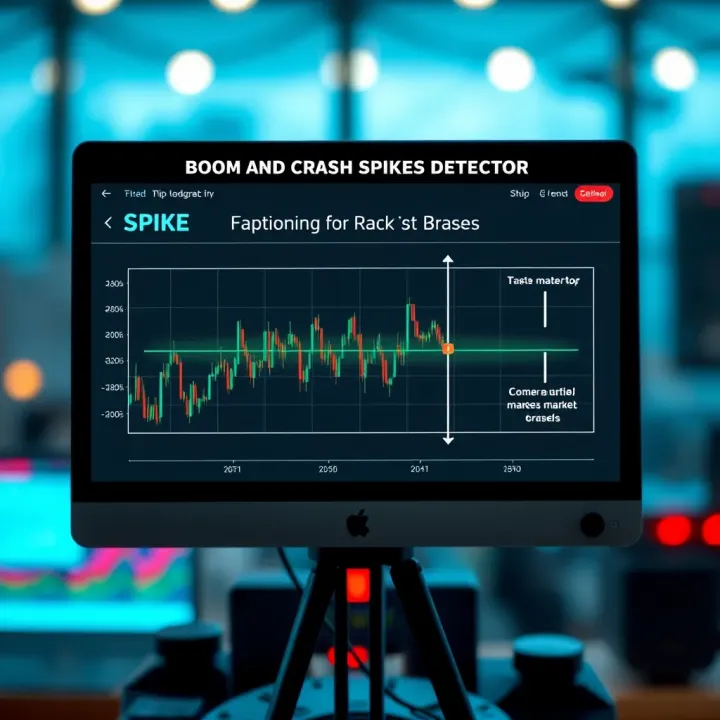
How the spike detector works boils down to monitoring price action patterns and volumes for unusual spikes. It analyses recent bars or candles on the chart, comparing the size and speed of price changes against normal fluctuations. When prices leap beyond typical ranges, the detector triggers an alert. This way, traders avoid missing fast moves that traditional indicators may overlook.
Detecting spikes early lets traders plan entries and exits more precisely, reducing exposure during volatile swings.
Timing trades: React instantly to market bursts without constantly staring at charts.
Risk management: Identify potential whipsaws early and avoid heavy losses.
Strategy confirmation: Combine spike alerts with other indicators like RSI or MACD for better trade signals.
Many Nigerian traders rely on platforms like Deriv or Binomo for boom and crash indices. Using the spike detector alongside these exchanges can enhance trading confidence, especially during volatile ember months when market jitters increase.
That said, no tool is perfect. The spike detector works best as part of a broader trading approach. It’s wise to test it on demo accounts before real money use and adjust settings to match your trading style and risk appetite.
Understanding this tool equips Nigerian traders with sharper insights into sudden price moves, helping keep gains steady while reducing unexpected whammy effects from market spikes.
Boom and Crash indices have become a popular trading option, especially among online traders in Nigeria and other emerging markets. These synthetic indices simulate real market price movements but on a compressed timescale. Understanding how these indices behave is essential for using tools like the Spike Detector effectively. This section serves to introduce the core aspects of Boom and Crash indices, emphasising their relevance to traders who want to tap into the volatility without the uncertainty of traditional stock markets.
Boom and Crash indices represent special financial instruments that mimic sudden upward or downward price spikes. The "Boom" index typically shows sudden positive jumps, while the "Crash" index features sudden drops. These price movements mirror bursts of market volatility but within a controlled environment, so traders can speculate on price changes without exposure to external economic factors.
For example, a Boom 1000 index might surge sharply after periods of relatively calm movement, simulating a "boom" event. These indices are particularly useful for traders seeking short-term opportunities with clear, defined behaviour, unlike traditional equities which involve broader market risks.
Several popular platforms offer Boom and Crash trading, including Deriv (formerly Binary.com) and Pocket Option, which have gained traction among Nigerian traders. These platforms provide user-friendly charts and tools tailored to these indices, including the spike detector. The availability on such accessible platforms means traders do not need complex setups or brokers to participate, making it practical for both beginners and veteran traders.
On these platforms, traders get access to leveraged positions and risk management options designed specifically for Boom and Crash indices. This accessibility has boosted the popularity of these instruments in Nigeria’s growing online trading space.
Boom and Crash indices offer a unique type of volatility—sharp, sudden price spikes occurring unpredictably within a generally stable price range. Unlike traditional stocks or forex pairs, this volatility is somewhat artificial but consistent in pattern, enabling traders to develop strategies based on recognising these spikes.
For instance, the Boom 500 index might show a sudden spike every few minutes, with that spike becoming a key trading signal. Traders can anticipate these price movements with the right tools, turning volatility into an advantage rather than a risk.
The controlled yet sudden price jumps in Boom and Crash indices create clear opportunities for profit through short-term trades. By correctly timing entry and exit around spikes, traders can lock in gains quickly without waiting for prolonged market trends.
For example, a trader might use the spike detector to identify a boom spike and place a timely buy position, capturing the upward price movement before it settles. This approach reduces exposure to prolonged market swings and suits those eager to trade within minutes or even seconds.
In Nigeria, where many traders rely on limited capital and look for fast, practical trading options, Boom and Crash indices provide a realistic path to cashing in on price movements with manageable risk and clear signals.
Boom and Crash indices combine volatility with predictability, making them attractive tools for traders seeking short bursts of profit in a fast-paced market.
Boom and Crash indices simulate sudden market movements and offer exposure to spikes without direct market risks.
Platforms like Deriv make these indices accessible to Nigerian traders.
The unique volatility provides predictable spike patterns valuable for profit-making.
These instruments suit traders aiming for quick trades with smaller capital.
Understanding these basics is crucial before applying any spike detection strategy or tool effectively.

Price spikes play a significant role in boom and crash markets. They represent sudden, sharp movements in price that stand out clearly from the usual market fluctuations. These spikes can distort trading signals if not correctly understood, but they also offer unique opportunities for traders who know how to spot and react to them.
A price spike differs from normal price movements by its intensity and speed. While regular moves in boom and crash indices tend to follow the overall market trend gradually, spikes show an abrupt jump or drop within a very short time frame – sometimes just seconds. This kind of movement is not part of the typical ebb and flow but more like a sudden jolt in price.
For example, in the boom index, you might see the price jump 20 points within a few ticks, whereas normal climbing could be around 2 to 3 points per tick. Recognising this difference is crucial because responding like to a typical price change could lead to missed gains or unexpected losses. Traders without awareness may get trapped by false breaks that look like new trends but fade quickly.
Typical causes of spikes often trace back to market mechanics and external events. In boom and crash indices, spikes commonly result from sudden bursts of buying or selling pressure. This pressure can come from large traders or algorithms executing stop-loss orders or profit-taking. Sudden news or economic data release can also generate sharp reactions, even in synthetic markets like these indices.
For instance, if many traders simultaneously hit the stop-loss points in a crash market, the resulting sell-off causes a sudden plunge creating a pronounced spike downwards. Understanding what triggers spikes helps traders anticipate their occurrence and prepare to act accordingly.
Price spikes introduce clear risks into trading. Their unpredictable nature can quickly turn a profitable position into a loss if the trader is caught on the wrong side. For example, a trader setting stop-loss too close may be prematurely stopped out due to a brief spike before the price recovers, thus losing potential profits.
Moreover, spikes can increase market noise, making it difficult to distinguish genuine trends from momentary anomalies. This noise often leads to what traders call "whipsaws," where positions open and close rapidly due to false signals caused by spikes.
That said, spikes also trigger unique trading opportunities. Skilled traders use spike detectors to identify when these sharp moves occur, allowing them to capitalise on the immediate momentum. After a spike, prices often revert or continue in the spike's direction, enabling traders to enter or exit positions at favourable prices.
For instance, a boom spike pushing prices higher suddenly presents entry points for momentum traders aiming to ride the wave before a correction. Likewise, crash spikes can offer selling or shorting chances when realised early.
Understanding both the risks and opportunities of price spikes is essential. It equips traders with the ability to improve timing, manage exposure, and increase chances of steady profits in the boom and crash markets.
In Nigeria's growing online trading scene, where market dynamics can be volatile and unpredictable, appreciating these spikes' behaviour helps traders avoid common pitfalls and use spike detectors more effectively.
Understanding how the Boom and Crash Spike Detector operates helps traders catch sudden price jumps before the market proves too volatile. This detector scans real-time price data to highlight unexpected rapid changes—known as spikes—that could signal entry or exit points. These tools are vital because the indices can swing sharply, especially during key market hours or after economic news releases.
At its core, the detector identifies sudden, significant price moves different from regular fluctuations. While minor variations are normal in Boom and Crash indices trading, a spike is marked by an outsized, rapid price jump within a narrow timeframe. For example, a sharp rise of 5 points in just a few seconds on the Boom 100 index suggests a spike. Spotting this early lets traders avoid getting caught in erratic price bursts or capitalise quickly on momentum.
This detection works by monitoring live candle formations and their volume, recognising patterns that exceed average volatility thresholds. It’s much like noticing when a danfo swerves unexpectedly in Lagos traffic—unexpected and demanding quick reactions.
The detector uses technical indicators like moving averages, Bollinger Bands, and volatility filters to confirm spikes. Algorithms crunch price ticks to single out anomalies outside normal range, avoiding false triggers from small price jitters. For instance, when the price suddenly breaches the upper Bollinger Band with large volume, the spike alert is triggered.
It’s a blend of rule-based and statistical analysis that continuously adapts to market condition shifts. For Nigerian traders facing unique trading hours and local market sentiments, such adaptive algorithms can help differentiate real spikes from noise caused by thin liquidity or lamp-post news rumours.
The detector displays spikes using clear chart patterns like sharp vertical lines or highlighted candles. Traders receive pop-up or sound alerts, allowing instant action. This visual and audio signalling cuts down reaction time, critical when trading indices that can reverse direction quickly.
An example is a red candle suddenly growing much longer than previous candles, flashing on the chart alongside an alert like "Spike Detected". These cues help traders avoid overreacting to normal price waves and focus only on meaningful spikes.
Many spike detectors integrate smoothly with popular platforms such as MetaTrader 4/5, cTrader, or proprietary platforms on local brokers. This integration ensures data sync in real-time, with alerts appearing directly on traders' screens or mobile apps like MTN Mobile Money or GTBank internet banking portals.
Having the detector embedded in the platform rather than a separate app helps manage trades faster, tighten stop losses, and confirm signals using other inbuilt tools. Nigerian traders especially benefit since poor internet connectivity and platform switching delays can erode trading profits during critical moments.
In sum, the effectiveness of the Boom and Crash Spike Detector lies in its ability to swiftly pinpoint real spikes and work fluidly with your trading setup, helping you manage risks and capture opportunities in Nigeria’s vibrant online trading scene.
The boom and crash spike detector holds significant value for Nigerian traders, especially in a market known for sudden price movements and volatility. Its practical uses extend beyond just alerting traders to unusual price jumps; it helps optimise trade decisions and manage risks effectively in Nigeria’s unique trading environment.
Entering and exiting trades effectively: Timing is everything in boom and crash trading. The spike detector signals sudden price moves early, helping you decide when to enter or exit a trade. For instance, if the detector flags a price spike on the crash index, entering right before the spike can lock in quick profits, while exiting right afterwards avoids the sharp reversal. Traders using platforms like Pocket Option or Deriv often find this timing boost valuable to maximise gains within short time frames, especially when naira volatility adds additional pressure.
Reducing exposure to sudden market moves: Sudden price spikes can wipe out profits or amplify losses if unplanned. The detector helps by warning traders of upcoming sharp changes, so you can step back or adjust your position. For example, during periods of market turbulence or low liquidity—common during ember months or major political events—the detector alerts you early, allowing you to reduce your trade size or halt new entries, preserving capital.
Setting stop losses and take profits with the detector: Effective risk control means placing stop losses and take profit points where sudden spikes won’t take you out prematurely. The spike detector informs where price jumps typically occur, allowing you to set stops beyond usual volatility zones, avoiding being stopped out by normal spikes. If a spike detector signals increased volatility, you might widen your stop loss temporarily while tightening take profit to lock rapid gains.
Avoiding false signals: Not every spike detected warrants a trade action. False positives can arise from market noise or irregular data feeds. Nigerian traders should combine the spike detector signals with other technical tools like RSI or moving averages to filter out fake alerts. For example, a spike flagged without confirmation from volume or trend strength indicators might be best ignored to prevent unnecessary losses.
Using a boom and crash spike detector effectively in Nigeria requires understanding local market rhythms and combining it with sound trade and risk strategies. It is a powerful tool but must be paired with discipline and other indicators to thrive.
In sum, the spike detector is not a magic wand but an efficient aid to sharpen your trade entries, exits, and risk limits within Nigeria's fast-moving boom and crash market.
Using a spike detector in Boom and Crash trading brings notable benefits, but traders need to be aware of its limitations. These tools are useful for spotting sudden price movements, yet they can sometimes mislead or underperform due to market conditions or technical constraints. Ignoring these challenges may lead to poor trading decisions and unnecessary losses, especially in Nigeria's volatile online trading environment.
False positives occur when the detector flags a spike where none exists, often caused by random market fluctuations or "noise" rather than genuine price shifts. In Boom and Crash indices, rapid but small jitters in price can trigger the detector erroneously. For example, during market sessions with low trading volume, minor trades can cause sudden but meaningless price jumps. This misleads traders into thinking a spike has happened, prompting premature entries or exits.
Market noise is particularly tricky because it mimics the signatures of real spikes but lacks follow-through momentum. Nigerian traders using unreliable internet connections or platforms with delayed data feeds might experience amplified false signals. To reduce the impact of noise, it's practical to combine spike detectors with volume analysis or additional indicators like the Relative Strength Index (RSI) to confirm the validity of detected spikes.
Spike detectors rely heavily on market volatility and liquidity. When volatility is low, genuine spikes are rare, and the detector may generate fewer signals, limiting trading opportunities. Conversely, during periods of unusually high volatility—which may coincide with global economic events or local market disturbances—spikes become frequent, sometimes overwhelming the detector and creating numerous false alarms.
Liquidity also plays a significant role. In thinly traded sessions, which often happen during Nigerian public holidays or ember months, price changes can be erratic and unrepresentative of the broader market, leading to inaccurate spike detection. For example, the Bitcoin Boom index might show sudden price swings due to fewer active traders, confusing automated detectors.
Traders should monitor prevailing market conditions closely and avoid relying solely on spike detectors during unusual market phases. Combining detector outputs with market news and trend analysis improves robustness.
Considering these limitations, Nigerian traders should treat spike detectors as tools to support—not replace—their judgement. Applying disciplined risk management and validating signals through multiple approaches leads to better trading performance over time.
Using a spike detector for Boom and Crash indices can significantly enhance your trading success, but only when it is applied correctly alongside other tools and tailored to your personal approach. This section will guide you on how to make the most of the spike detector by combining it with other indicators and adjusting its settings to fit your risk appetite and trading style.
Relying solely on a spike detector to spot sudden price movements can leave you vulnerable to false signals or market noise. That’s why combining it with oscillators like the Relative Strength Index (RSI) or Moving Average Convergence Divergence (MACD) is helpful. These oscillators measure momentum and help confirm whether a detected spike is backed by a genuine price shift or just a short-term blip. For instance, if the spike detector flags a sudden boom but the RSI shows overbought conditions, you might hesitate to enter a buy trade immediately.
Trend indicators such as Moving Averages can also add context. A spike in the direction of a confirmed trend tends to be more reliable. For example, if the 50-day Moving Average indicates an upward trend and the spike detector signals a sudden crash, you might interpret it as a temporary retracement rather than a reversal. Using these tools together reduces the chance of chasing false moves and helps position your trades better.
Every trader has a different tolerance for risk and preferred trade duration. Most spike detectors allow customisation of alert sensitivities and parameters. Adjusting these settings to your comfort level is crucial. A conservative trader may want the detector to signal only the largest, most obvious spikes to avoid overtrading or reacting to minor price jitters typical in Nigerian markets during ember months.
On the other hand, a more aggressive trader might set the detector to be more sensitive, catching smaller spikes that could lead to quick profits but also carry greater risk. You should also customise alert types — be it pop-up notifications, sound alerts, or email — so you never miss critical movements while avoiding constant distractions. In practice, start with default settings, review trade outcomes, and tweak the detector stepwise based on what fits your trading routine and keeps losses manageable.
Using the spike detector smartly — by pairing it with other analysis tools and tailoring it to your risk level — turns it from a basic alert system into a powerful ally in cracking the Boom and Crash indices markets.
Ultimately, the key is to integrate the spike detector into a broader trading system that respects your unique style and market conditions in Nigeria, helping you seize opportunities and protect your capital.
📉📈 Understand Nigeria’s economic crash and boom cycles, their causes, effects, and practical ways individuals and businesses can adapt to changing markets and ₦ fluctuations.

📈 Nigerian traders, learn how boom and crash brokers work, spot risks, understand market moves, and pick trusted platforms for safer trades in volatile times.

📈 Explore the Volatility Index: Understand market swings, key factors, and how traders in Nigeria use it for smarter risk management and strategies.

Explore Tentrade’s funding and trading edge 🔍, compare with other prop firms 📊, and get savvy on risks plus benefits for Nigerian traders ready to trade ₦ capital 💼.
Based on 12 reviews